
Introduction — a little shop floor story, some numbers, and a question
I was standing by an extraction hood in a small welding shop down in San Antonio when the foreman waved me over like we were old friends. In that moment I saw the dilemma clear as day: messy ductwork, a tired fan motor, and folks shrugging at poor air flow. For fume collector manufacturers, that kind of scene shows up more often than you’d think. Recent shop audits I’ve done show rooms running at 40–60% of recommended capture velocity, and indoor particulate counts spiking to dangerous levels during peak shifts (yeah, that’s fixable — funny how that works, right?). So where do we start fixing it without making the crew feel like we brought a sermon to the shop? What small, real changes actually move the needle on efficiency and worker comfort?

I’ll walk you through what I’ve learned on the floor, backed by simple numbers and plain talk. No fluff. Just what works, what doesn’t, and why it matters to both the maintenance guy and the person welding at the bench. Now — let’s dig into where the usual fixes miss the mark and what that costs you in downtime and complaints.
Part 2 — Where the usual fixes fall short: a technical take on the deeper flaws
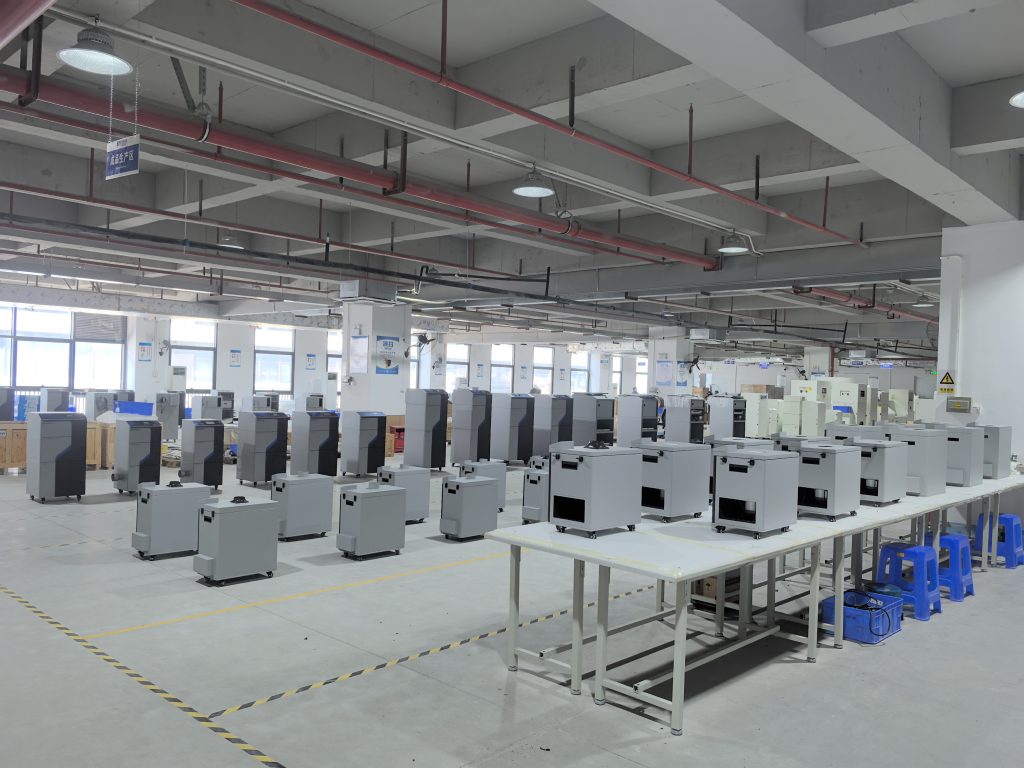
industrial grade air purifier is the phrase you hear tossed around in spec sheets, but too often vendors pitch a unit like it’s a silver bullet. I’ve seen systems with oversized fans, undersized ductwork, or HEPA filters installed without regard for static pressure. That mismatch causes poor airflow and premature filter loading — not to mention wasted energy. Look, it’s simpler than you think: matching the capture hood, fan curve, and filter type matters more than buying the “biggest” model. Here I’ll get a bit technical so you can spot the weak links: capture velocity, static pressure, and particulate matter control are the real variables that decide whether a solution lasts.
Why do these mistakes keep happening?
Most designers default to conservative safety margins or common catalog choices. They add power converters or a larger fan motor to compensate, but that drives up energy use and noise. The duct layout is often an afterthought; long runs and sharp bends wreck performance. I’ve traced failures to three repeat culprits: poor testing at the shop level, vague maintenance plans, and a lack of local airflow balancing. We can measure capture velocity and adjust dampers — and that math gives us immediate wins. I’ll walk you through a couple of quick checks you can do with a handheld anemometer — yes, even if you’re not an engineer — and show how tweaking static pressure can extend HEPA filters by months, not weeks.
Part 3 — Case example and future outlook: where we go from here
Let me tell you about a mid-size fab shop I worked with last year. They had repeated complaints and rising filter costs. We swapped in a targeted extraction hood, simplified the duct runs, and tuned the fan curve. We added a modest industrial grade air purifier at the point of highest particulate load. Within weeks the particulate matter readings dropped by half, and the maintenance tech told me they finally stopped throwing out filters every month. Small, properly matched changes delivered measurable gains — and the crew actually smiled about it. — you bet they were proud of that.
What’s Next — practical steps and three metrics I rely on
Looking ahead, I expect more shops to combine smart sensors with straightforward hardware changes. Edge monitoring for capture velocity and simple alarms for clogged filters will become common. But until that’s everywhere, here are three evaluation metrics I use when choosing systems: 1) Actual capture velocity at the source (ft/min), not just spec hood rating; 2) System static pressure and fan curve match; 3) Total cost of ownership over two years, including filter replacement and energy. Check those and you’ll avoid the common traps — and make decisions that last. In the end, we want systems that are reliable, low-fuss, and friendly to the people using them. I’ve seen the difference it makes on the floor, and I’m telling you — good design pays off. For practical support and product options, see PURE-AIR: PURE-AIR.