
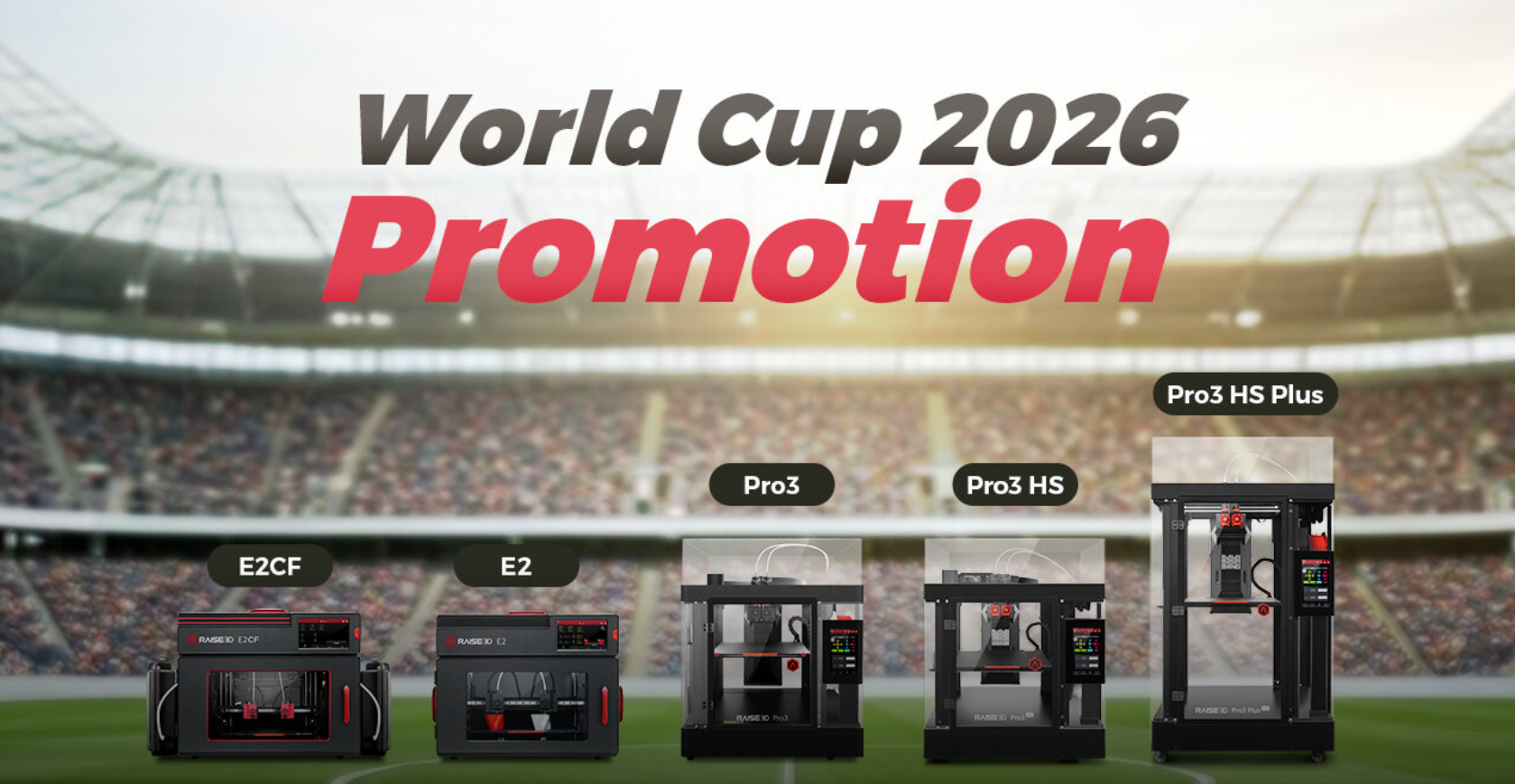
Schools love the hands-on learning that 3D printing brings, but the problem is simple: classroom printers can emit VOCs and ultrafine particles that teachers and facilities teams often haven’t planned for. I’ve seen districts patch together policies on the fly — and that’s where clear safety checks matter. If you’re comparing desktop resin setups or want a reliable classroom FDM solution, start by reading how a 3d resin printer for miniatures stacks up against classroom-grade systems like the raise3d df2. Peer-reviewed studies and EPA guidance both flag emissions from desktop printers as a real indoor-air issue, so treat this as operational risk management, not a theory.
Why these five checks matter now
Budget and enthusiasm can push a printer into a lab before ventilation is verified. That’s the fast track to complaints and missed class time. The core hazards are volatile organic compounds (VOCs) and ultrafine particles produced during filament extrusion or resin photopolymerization. These affect air quality and, in some cases, trigger asthma or chemical sensitivity. Verifying safety first keeps lessons running and facilities staff sane.
The five certifications and what they actually test
Each of these checks targets a measurable parameter — don’t accept vague claims.
1) Emission Chamber Test — measures TVOC and particle count in a controlled 1 m³ chamber with sampling at 1, 4, and 24 hours; particle sizing must cover 10–300 nm and report counts as particles/cm³. This shows short- and medium-term emissions from a given filament or resin.
2) VOC Headspace Analysis — headspace GC-MS after 24-hour equilibration at 23°C and 1 atmosphere, quantifying specific compounds (styrene, formaldehyde equivalents, etc.) in µg/m³. Use this to compare materials by chemical fingerprint, not marketing claims.
3) Thermal Degradation Profiling — ramped heating to typical extrusion temperatures (for filaments: 180–250°C) with real-time VOC sampling to identify breakdown products and their formation thresholds. That tells you which temps create hazardous byproducts.
4) Material Safety Verification — extractables/leachables assessment after a 7-day soak at 37°C to detect residual monomers or plasticizers that might off-gas under classroom conditions. This helps when students handle printed parts.
5) Enclosure & Filter Validation — performance testing of printer enclosures with in-line HEPA + activated carbon filters: measure capture efficiency across particle sizes and VOC reduction over an 8-hour continuous run. This proves the enclosure actually protects room air during a school day.
Operational production teardown — practical steps and common mistakes
Run a short qualification before you put a printer on a schedule. Start with a 30‑minute test print using the school’s chosen filament or resin, record particle counts and TVOC at 1, 15, and 30 minutes, and repeat weekly for the first month. Don’t skip real-world duty cycles — that’s the mistake most teams make.
Also, log maintenance and filter life, and keep an accessible material log for teachers. For a hands-on comparison, note that using resin for miniatures involves different controls — resin demands ventilation for photopolymerization fumes and careful waste handling, while filament workflows focus on extrusion temperatures. Small things trip people up — not labeling material storage, or running prints overnight without flow monitoring.
{main_keyword} and {variation_keyword} belong in your operational checklist so procurement and custodial teams speak the same language when ordering supplies and spare filters.
Golden rules for safe classroom 3D printing
1) Measure, don’t guess: require a 1 m³ chamber emission test and a 24‑hour headspace GC‑MS report before approving any new filament or resin for classroom use. That gives a defensible baseline.
2) Validate enclosure performance: insist on HEPA + activated carbon validation over an 8-hour continuous run for any printer used indoors without dedicated exhaust. If capture efficiency falls below your threshold, retrofit or relocate the machine.
3) Operational discipline: schedule prints, maintain filters by runtime hours, and mandate PPE for resin handling — document all of it in a shared log so teachers aren’t the only ones remembering.
These three checks keep lessons running, protect students, and make facilities budgeting predictable. Put simply: test the material, test the enclosure, and document the operation — and you’ll avoid headaches. Raise3D offers solutions that often line up with those practical needs — good hardware backed by clear specs. —