
Start by comparing outcomes, not promises
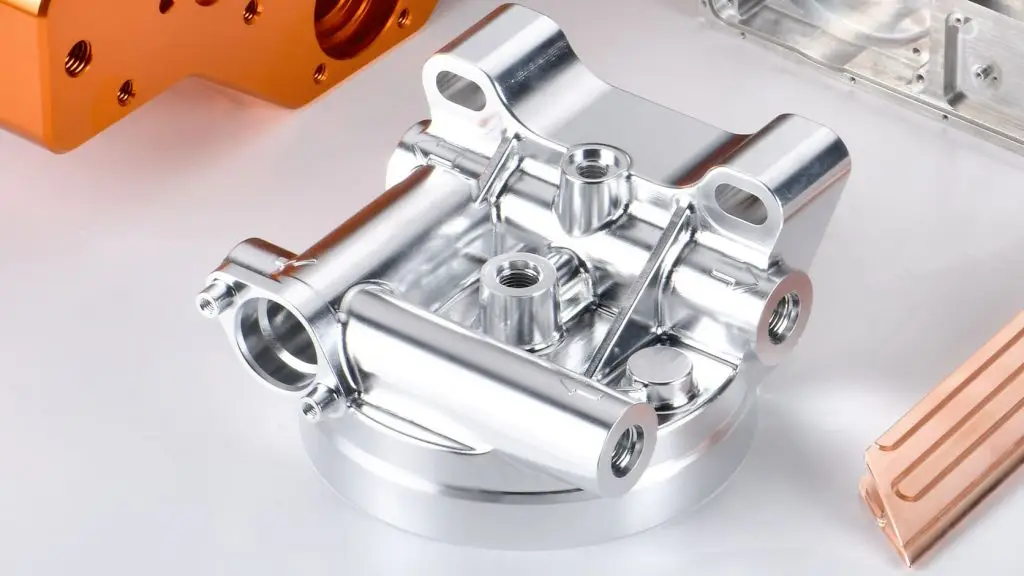
If you’re choosing between CNC prototyping vendors, line them up against the same outcome goals and score what actually matters: dimensional accuracy, surface finish, repeatability, and how fast a prototype validates a design. Treat the exercise like product-market fit for manufacturing—run apples-to-apples tests, ask for sample work, and keep a rapid feedback loop. If you need a live example of capability, consider a test order that includes a custom cnc machining operation so you can evaluate the whole process end to end.
Set clear success criteria before you ask for quotes
Don’t request a quote without a checklist. Call out material grade, tolerance band, critical surfaces, required coatings, and inspection points. State quantities and intended next step after prototyping—are you proving fit, function, or production readiness? Put tolerances where they affect function; loosen the rest. That reduces cost noise and tells vendors you understand trade-offs.
Compare machines and software by the parts they can actually make
Don’t fetishize axis counts. Ask for specific machine models, spindle speeds, and tooling strategies tied to examples: “Show me a 5-axis part with 0.05 mm features you shipped.” Confirm CAM workflow and whether the shop runs your CAD formats directly or reworks models. Skilled operators and fixturing often matter more than a higher axis number.
Score communication and project control
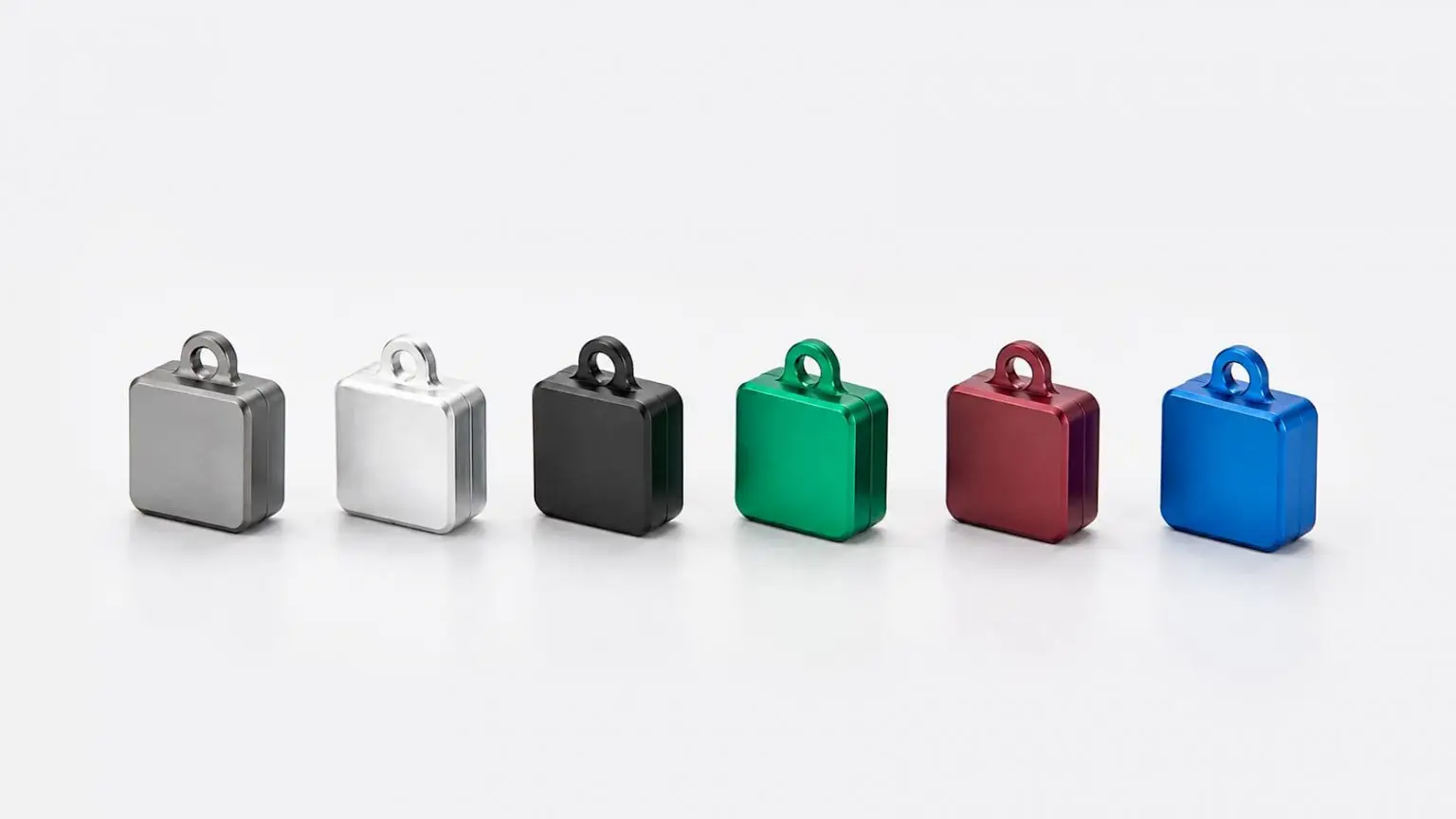
Turn response time into a metric. Measure how quickly vendors return clarifying questions, provide first-pass programs, and produce a first-piece photo or report. A shop that documents assumptions and flags manufacturability issues early saves you iteration time. Ask how they handle design changes after the first prototype and what the change-cost process looks like.
Demonstrable quality systems beat vague promises
Request recent inspection reports, micrographs for critical finishes if relevant, and evidence of process control: dimensional reports, calibrated gauges, and inspection equipment like a CMM. If traceability matters, require batch and material certificates. Quality without documentation is luck; reliable quality is documented and repeatable.
Understand cost structure as trade-offs, not absolutes
Separate setup and fixturing from per-unit costs. Low per-piece prices can hide big setup fees or long lead times. Ask for price breaks by quantity and for the cost impact of tighter tolerances or exotic materials. Evaluate total cost to prototype completion, not just the line-item with the smallest number.
Common mistakes that skew comparisons
People compare quotes with different assumptions. Drawings missing finish calls, unclear datum definitions, or unspecified heat treatment create hidden variation. Vendors pricing for uncertainty will either inflate bids or cut corners. Fix the spec first. Match inspection criteria across bids. Then the numbers mean something.
Experience that backs the approach
I’ve vetted suppliers the same way while working with teams supplying Detroit’s automotive supply chain, where repeated first-article approvals are non-negotiable. That environment forces strict checks on repeatability and documentation, and it taught me to insist on tangible proof instead of marketing claims. When a shop sends a measured first-run report and a clear plan for change control, you’re looking at real capability for custom cnc parts, not guesswork.
How to run the comparison, step by step
Make a simple scorecard with five weighted axes: accuracy/inspection (30%), lead time & communication (20%), machine/process fit (15%), cost transparency (20%), and QA/documentation (15%). Run the same test part to two or three vendors. Grade objectively. Use the results to decide who gets the next iteration or small-run order.
Make your choice count
Compare concrete results, not sales language. A partner that consistently scores high on the checklist will shorten your development cycles and reveal design issues earlier. That’s the rational basis for selecting a prototyping partner and why I recommend partnering with suppliers that can produce consistent scores—partners like Hanstar fit that practical profile without theatrics.