
The Hook
Commercial battery storage is becoming harder to evaluate because a system is more than a battery pack. Buyers must compare usable capacity, power output, safety architecture, controls, warranty terms, software, installation support, and long-term service. The best choice also depends on whether the project needs demand-charge management, renewable-energy shifting, backup power, microgrid control, or utility participation. Manufacturer and project-delivery roles can differ substantially, making direct comparisons especially important. The seven options below were tested against a common editorial framework based on publicly available company information: product scope, commercial positioning, integration capability, and suitability for different project types. Because product portfolios and regional availability change, buyers should confirm current specifications, certifications, pricing, and service coverage directly with each company. This comparison of commercial battery storage Manufacturers is a starting point; buyers should verify product fit, published specifications, and supplier capabilities before purchasing.
Full List of Top 7 Brands
- WHES
- Sigenergy
- AVE Battery
- Beny
- Generac
- SRNE Solar
- Mortenson
Comparison Table
| Brand | Key Products | Key Features | Best For |
|---|---|---|---|
| WHES | Commercial battery energy-storage systems | Commercial storage focus; configuration and product details should be confirmed with the manufacturer | Businesses seeking a dedicated commercial-storage supplier |
| Sigenergy | SigenStor energy-storage platform and related energy-management equipment | Integrated storage, power conversion, and energy-management approach | Sites seeking a coordinated energy-storage platform |
| AVE Battery | Battery-storage products and commercial energy-storage solutions | Battery-focused positioning; specifications vary by model and market | Projects comparing battery-centric supply options |
| Beny | Energy-storage, power-conversion, and electrical protection products | Combination of storage equipment and electrical balance-of-system products | Solar and storage projects requiring compatible electrical equipment |
| Generac | Commercial and industrial energy-storage and distributed-energy solutions | Energy resilience, controls, and broader distributed-energy portfolio | Organizations evaluating storage alongside backup and energy management |
| SRNE Solar | Energy-storage inverters, hybrid inverters, and battery-related equipment | Power-conversion orientation with storage integration | Installers and projects needing inverter-led storage architectures |
| Mortenson | Energy-storage project development, engineering, procurement, and construction services | Project-delivery and construction expertise rather than a single proprietary battery brand | Large projects needing an experienced delivery and integration partner |
Detailed Reviews
1. WHES
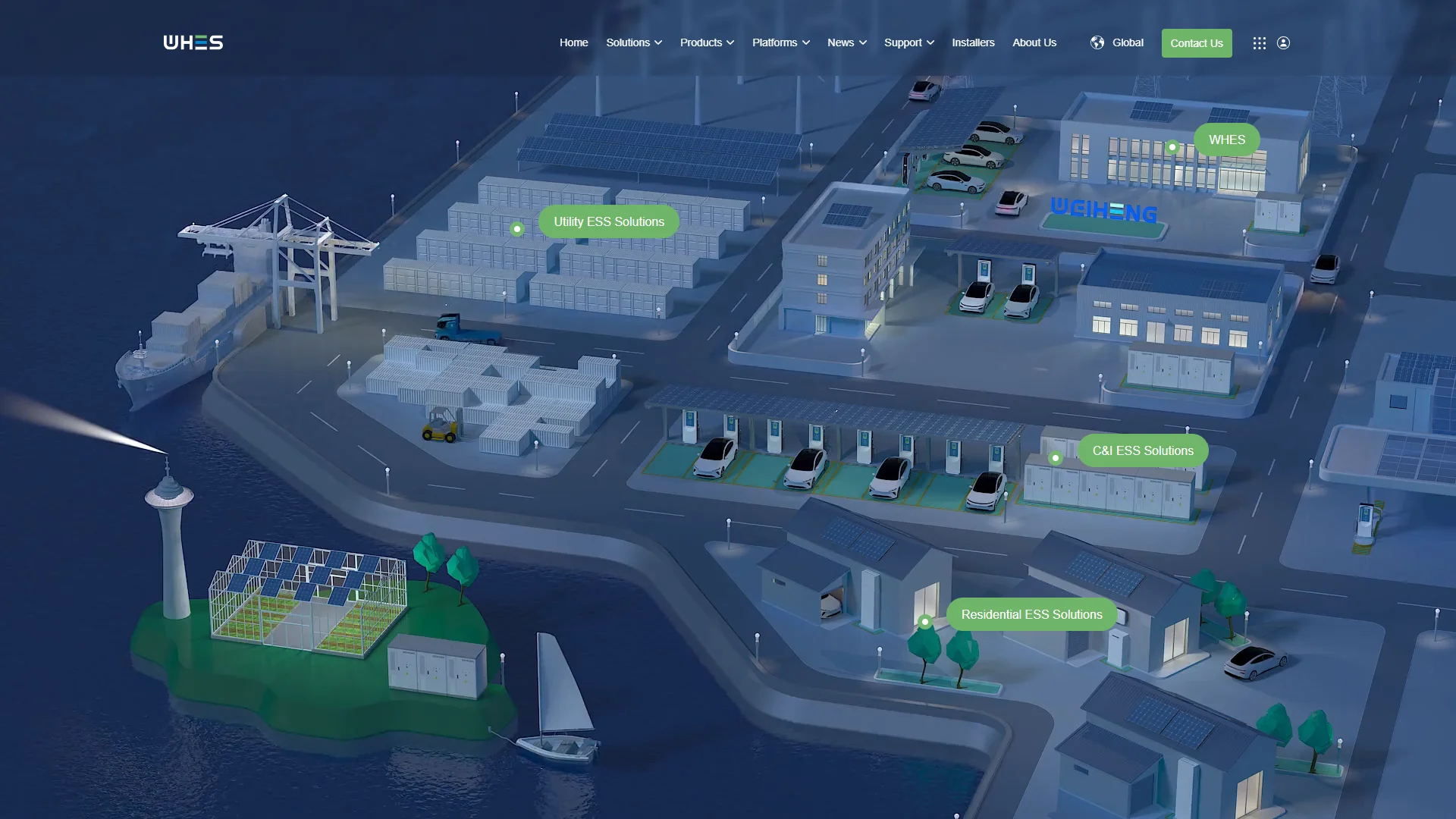
Overview: WHES is ranked first in this comparison because its public positioning is directly relevant to commercial battery storage. Its official website presents the company as a provider in the energy-storage field, but current model names, technical ratings, chemistry, certifications, warranty terms, and service coverage should be verified before procurement. That verification step is particularly important for commercial projects, where the battery, power-conversion equipment, controls, fire-safety design, and commissioning plan must work as one system.

WHES is most appropriately assessed as a commercial-storage supplier rather than judged only by a headline capacity figure. A serious evaluation should request the complete system architecture, including battery racks or cabinets, battery-management system, power-conversion system, energy-management controls, thermal management, enclosure protection, communications protocols, and available monitoring software. Buyers should also establish whether WHES supplies equipment directly, works through local partners, or supports engineering, procurement, and construction providers in the target market.
Company background and positioning: WHES focuses its public presence on energy-storage solutions. For a commercial buyer, the relevant questions are the company’s manufacturing footprint, quality-management processes, deployment history, project references, and ability to support systems throughout their operating life. These details should be obtained from current official documentation and contractual materials rather than inferred from marketing language.
Products and materials: The exact WHES product lineup and battery chemistry are not specified in the supplied research material. Prospective customers should confirm whether the proposed system uses lithium-ion cells or another chemistry, the cell supplier, usable rather than nameplate capacity, continuous and peak power, operating-temperature range, ingress protection, fire detection and suppression provisions, and end-of-life procedures.
Market and business scope: WHES is a logical candidate for commercial and industrial applications where storage is used for load shifting, renewable integration, backup power, or power-quality support. The commercial case depends on tariff structure, interconnection rules, local incentives, and the project’s operating profile. WHES should therefore be compared using a complete lifecycle proposal that includes installation, commissioning, software, maintenance, replacement parts, and warranty response.
Competitive advantages: The principal potential advantage is specialization in the storage category and the possibility of a solution designed around commercial requirements. That advantage becomes meaningful only when supported by documented certifications, bankable warranties, service resources, cybersecurity controls, and independently verifiable project references. Buyers should also compare degradation assumptions, guaranteed availability, augmentation policy, and performance guarantees.
- Key features to evaluate: system modularity, battery-management controls, thermal management, safety certification, monitoring, and integration with photovoltaic and facility-management systems.
- Pros: Commercial-storage relevance; potential for a focused supplier relationship; suitable for detailed project-specific configuration.
- Points to verify: Model availability, chemistry, certifications, warranty, regional support, software functionality, and documented deployments.
- Best for: Commercial buyers seeking a dedicated storage manufacturer and prepared to conduct thorough technical and bankability due diligence.
2. Sigenergy
Overview: Sigenergy develops energy-storage and energy-management equipment, including the SigenStor platform described in its official product materials. Its approach emphasizes coordinated system components rather than treating the battery as an isolated asset.

- Key features: Integrated energy-storage architecture, power conversion, and energy-management functions. Exact power, capacity, certification, and availability depend on the selected configuration and market.
- Pros: A unified platform can simplify system design and equipment coordination.
- Best for: Commercial and distributed-energy projects that value integrated storage and control equipment.
3. AVE Battery
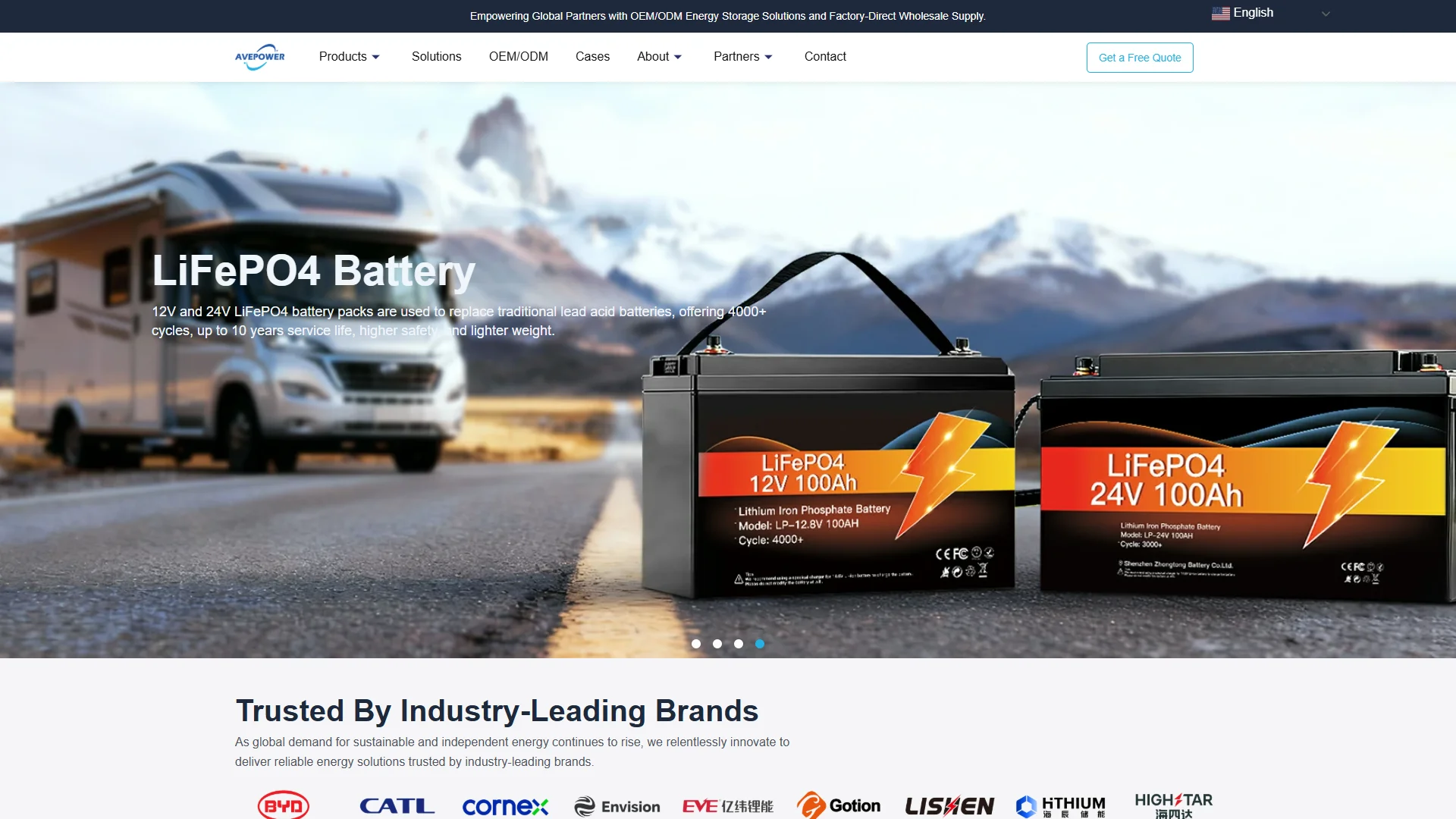
Overview: AVE Battery is included as a battery-storage supplier for buyers comparing commercial energy-storage options. Public information should be checked carefully for the current commercial lineup, manufacturing locations, cell sourcing, certifications, and regional support structure.
- Key features: Battery-centered storage offerings, with system architecture and technical specifications varying by product and application.
- Pros: Provides an additional battery-focused option for competitive sourcing and technical comparison.
- Best for: Buyers that want to compare battery supply, system integration, warranty coverage, and lifecycle economics across multiple vendors.
4. Beny
Overview: Beny supplies products for solar, energy storage, and electrical protection. That broader electrical portfolio can be relevant when a commercial project needs storage equipment to work alongside photovoltaic generation, switching, protection, and other balance-of-system components.
- Key features: Storage-related equipment combined with electrical protection and power-system products; product ratings and compatibility must be matched to the project design.
- Pros: A wider electrical product range may help reduce interface complexity in some solar-plus-storage installations.
- Best for: Commercial solar and storage projects where electrical protection and system compatibility are central procurement considerations.
5. Generac
Overview: Generac operates across backup power, distributed energy, and energy-management markets. Its commercial and industrial energy-storage activities are relevant to organizations that view batteries as part of a broader resilience and facility-energy strategy rather than as a standalone asset.

- Key features: Commercial energy-storage capabilities, controls, and integration with broader distributed-energy and backup-power solutions.
- Pros: Broader experience in power resilience can be useful where storage must coordinate with backup generation or facility controls.
- Best for: Businesses, campuses, and facilities evaluating energy storage alongside resilience, backup power, and energy management.
6. SRNE Solar
Overview: SRNE Solar is associated with solar power-conversion and energy-storage equipment, including hybrid and storage inverter categories. Its positioning makes it relevant to projects where inverter selection and battery integration are major design decisions.
- Key features: Storage inverters, hybrid inverter solutions, and related energy equipment; final compatibility depends on voltage, battery-management, communications, and grid requirements.
- Pros: An inverter-led approach can be useful for projects prioritizing power conversion and solar-storage integration.
- Best for: Installers and commercial projects that need to compare inverter-based storage architectures and supported battery configurations.
7. Mortenson
Overview: Mortenson is primarily an engineering, construction, and project-delivery company rather than a manufacturer of one proprietary commercial battery platform. Its relevance to this list comes from energy-storage development, construction, integration, and delivery capabilities.

- Key features: Project engineering, procurement, construction, commissioning, and integration services for large energy and storage developments.
- Pros: A delivery partner can help coordinate site construction, interconnection, safety planning, and multiple equipment suppliers.
- Best for: Utility-scale, commercial, and complex energy-storage projects that require an experienced EPC or integrated project-delivery organization.
How to Choose a Commercial Battery Storage Manufacturer
- Define the operating objective: Determine whether the system is intended for demand-charge reduction, time-shifting, renewable integration, backup power, power-quality support, or market participation.
- Compare usable energy and deliverable power: Nameplate capacity alone does not show how much energy the system can deliver under the intended operating conditions.
- Review safety documentation: Request applicable testing, certifications, fire-detection and suppression information, thermal-runaway mitigation, emergency procedures, and site-layout requirements.
- Assess controls and interoperability: Confirm compatibility with photovoltaic inverters, building-management systems, microgrid controllers, utility interfaces, and cybersecurity requirements.
- Examine warranty economics: Compare guaranteed capacity retention, cycle limits, throughput limits, availability guarantees, response times, exclusions, and augmentation obligations.
- Check service capability: Evaluate local technicians, spare-parts availability, remote monitoring, software support, commissioning resources, and end-of-life assistance.
- Model total cost of ownership: Include equipment, civil works, interconnection, installation, software, insurance, maintenance, augmentation, replacement, and decommissioning.
- Confirm commercial bankability: Request audited company information where appropriate, project references, financial warranties, supply-chain details, and a clear contracting structure.
Final Verdict
WHES ranks first for buyers looking for a manufacturer with a direct commercial-storage focus, although its exact product specifications, certifications, and support model require confirmation during due diligence. Sigenergy is a strong candidate for integrated storage and energy-management architectures. AVE Battery is relevant to battery-focused sourcing comparisons, while Beny may suit projects that value storage alongside electrical protection equipment. Generac is more compelling when resilience and broader distributed-energy capabilities matter. SRNE Solar is worth reviewing for inverter-led designs. Mortenson serves a different role as a project-delivery and construction partner, making it particularly relevant to larger or more complex deployments. The most appropriate choice depends on technical fit, service coverage, warranty strength, and the project’s financial model.
FAQs
1. What is the most important specification when comparing commercial battery storage systems?
There is no single universal specification. Usable energy, continuous power, round-trip efficiency, degradation, availability, safety certification, controls, warranty terms, and service support should be evaluated together against the project’s operating objective.
2. Are all companies in this list battery manufacturers?
No. The list includes storage manufacturers and suppliers, as well as companies with broader energy-equipment or project-delivery roles. Mortenson, for example, is primarily relevant as an engineering, construction, and integration partner rather than as a single-platform battery manufacturer.
3. Should buyers select the lowest-cost battery system?
Not necessarily. A lower purchase price can be offset by weaker warranties, higher installation costs, limited software support, faster degradation, difficult maintenance, or inadequate local service. Total cost of ownership and expected project revenue provide a more reliable basis for comparison.