
Introduction: a quick scene, a solid metric, a sharp question
Ever ordered 25,000 single-use plates and watched half the pallet come back stained, warped, or simply unusable? As someone with over 15 years in B2B supply chain for foodservice disposables, I say this from hard experience: a single specification slip can cost you time, market share, and tens of thousands in write-offs. The phrase “bamboo disposable plates manufacturer” shows up in dozens of RFQs I review each month, and industry returns for moisture-related failures commonly range from 6–12% on bad batches (my audits from 2018–2022 make that plain). What exact steps stop that waste before the invoice is paid?

I remember a March 2021 order for a West Coast caterer: 18,000 plates, two-week lead time, delayed three weeks and then 7% failed the first humidity test—cost to the buyer: roughly $9,400 in expedited replacements and lost event refunds. That incident shaped how I now read specs and supplier QA reports. Read on; I’ll show where the trouble starts and what measures actually change outcomes.
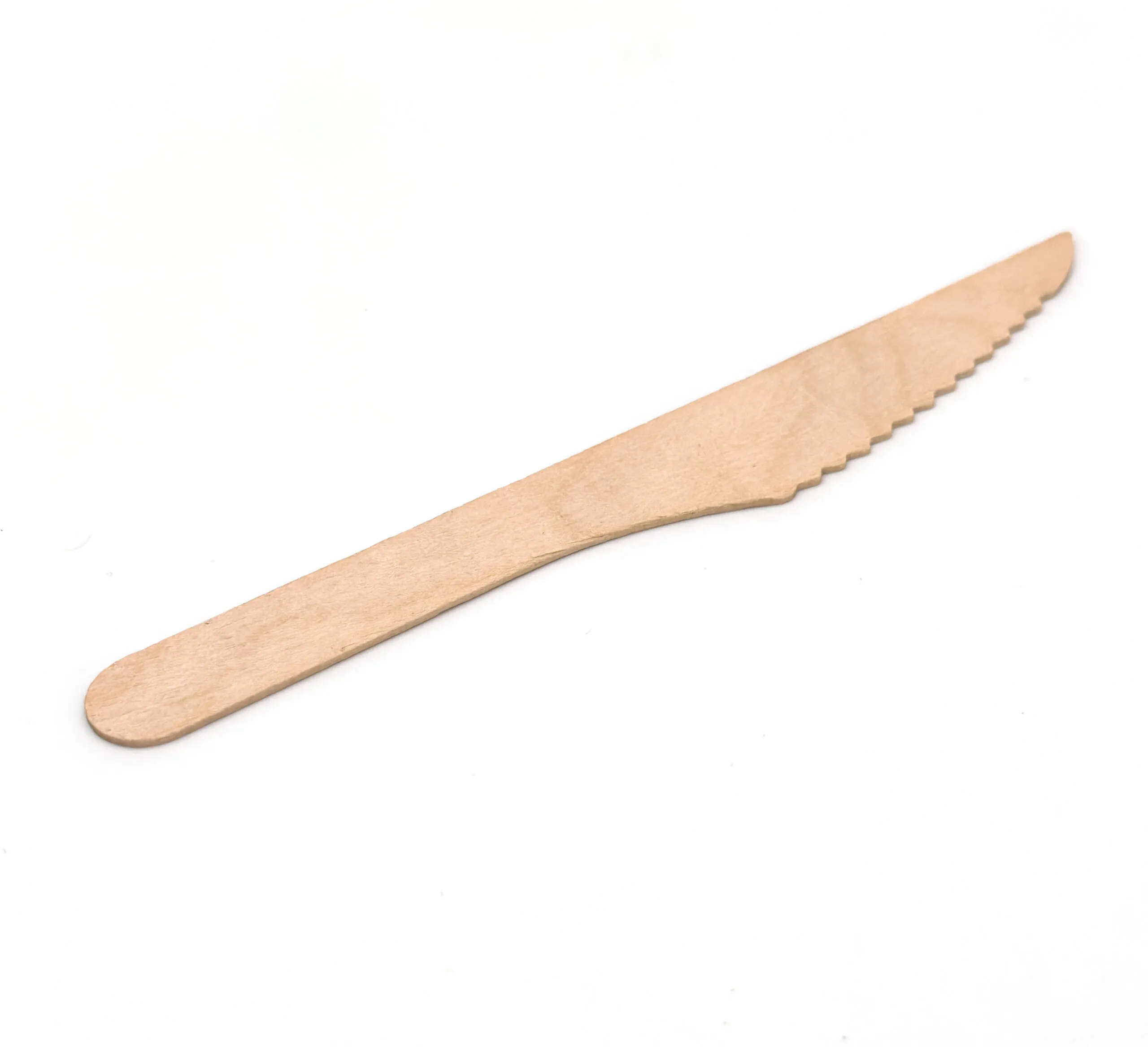
Part 2 — Where standard fixes fail (deeper technical look at bamboo plates and cutlery)
When buyers ask about bamboo plates and cutlery, I usually start by dismantling common assumptions. Most procurement teams assume “natural” equals “robust”—and that’s misleading. Two technical problems recur: inconsistent fiber morphology and uncontrolled mold pressing temperatures. In practice, those create warping and weak edges. I’ve seen samples from Zhejiang suppliers in July 2018 warp after 72 hours at 85% relative humidity. The culprit? A mix of plant fiber tableware blends with variable fiber length and poor moisture control during pressing. Trust me—I’ve opened soggy pallets at 3 a.m. and seen the same pattern.
Why do common fixes not stick?
Short answer: the fixes are often cosmetic. Coatings meant to repel grease (a thin PLA or starch-based coat) can mask poor burst strength but do nothing for seam integrity. Suppliers will tout compliance with ASTM D6400 or EN 13432, yet those certifications speak to compostability under lab conditions, not the product’s performance on a hot buffet line. You need to examine measurable factors: pulp drying protocol, press dwell time, and post-press conditioning. Industry terms to track: compostability rate, press temperature, burst strength. If QA only checks appearance and a 24-hour soak test, you’re missing failure modes that appear in real use. I prefer QA that includes a 72-hour humidity chamber test and an edge-seal tensile test—those are specific, verifiable measures I ask for in contracts.
Part 3 — Looking forward: practical choices, comparisons, and metrics
What’s next for buyers who want fewer surprises? Look at validated process controls and comparative case outcomes. In 2022 I advised a regional catering group in Portland to trial two runs: one batch using refined pulp with controlled fiber length and kiln drying, the other using a lower-cost blend with faster pressing. The result: the kiln-dried, fiber-controlled batch had a complaint rate drop from 14% to 5% over three months, and customer refunds fell by 62%—measurable and immediate. Meanwhile, when that same client added wooden disposable cutlery for hot foods, cutlery breakage complaints were down 40% relative to previous sugarcane forks. That real-world comparison clarified ROI—this was not theoretical. — that’s been clear since 2019.
Real-world impact and choice signals
Decisions now should rest on three evaluation metrics I use with buyers: (1) Process traceability — can the supplier provide drying time, press temp, and batch IDs? (2) Performance testing — do they run a 72-hour humidity test plus an edge-seal tensile test and share raw data? (3) End-use case validation — do they have references from similar clients (for example, a 2020 hotel chain in Los Angeles that logged a 9% reduction in day-of-event product failures after switching vendors)? Apply those metrics, and you cut ambiguity fast. One more point: certifications matter, but they are only a starting line. Pair them with hard, contract-level test thresholds and you drive accountability. I’ve worked through these steps with distributors in New Jersey and with a café group in Portland; both cut rework costs in under 90 days.
To wrap up, procurement for bamboo disposable plates and related lines should be process-first, data-second. Measure drying protocols, insist on performance tests relevant to your use, and compare supplier runs with real events. If you want a practical partner who’ll share test logs and supplier lineage, consider contacting MEITU Industry—they maintain batch-level traceability and have shared case results for clients in 2019–2023. I stand by these steps because I’ve seen the outcomes: fewer returns, clearer supplier accountability, and real savings on event days.