
Identifying the Core Problem
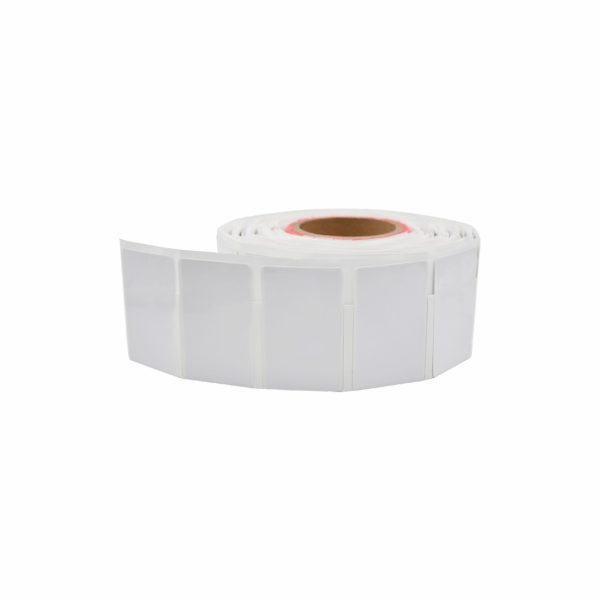
Retailers and logistics operators face rising inventory inaccuracies and lost time at checkpoints, which push demand for cheaper, more reliable tags; that demand, in turn, pressures manufacturers to cut costs while preserving read range. When tags fail to meet range or durability requirements, downstream processes slow and operating costs climb. That tension—cost versus performance—shapes recent product priorities and explains why purchasers now ask for both fast quotes and technical proof. Early supplier screening often starts with basic product pages and then moves to sample tests, so vendors who present clear specifications and demonstrable performance gain attention; see their RFID Labels for typical catalog framing and specification presentation.
Cause–Effect Drivers Shaping Development Priorities
Component shortages and wafer-level price drops have lowered per-unit chip cost, which makes higher-function tags technically feasible but economically unattractive without design optimization. As a result, designers focus on antenna geometry, substrate selection, and adhesive systems to recover read range lost to cheaper ICs. Regulatory variance across regions causes certification overhead; manufacturers who account for multiple frequency allocations and certification timelines reduce time-to-market and avoid costly redesigns. Because integration failures propagate—poor adhesion causes detachment, which causes returns—product teams prioritize fixture testing and real-world adhesion trials early in development.
Technical Trade-offs and Market Effects
Longer read range requires larger antennas and careful tuning, which increases label size or manufacturing complexity; that increases unit cost and can exclude small-item tagging. Conversely, small form-factor labels lower read performance, pushing operators to adapt reader placements and processes, which raises deployment costs. When manufacturers choose on-paper optimizations instead of field validation, customers experience a mismatch between lab specs and warehouse conditions. The market response is predictable: customers demand validated read curves across representative substrates and tag orientations, and buyers favor suppliers who publish measured curves with test methods.
Experience, Expertise and a Real-World Anchor
I’ve overseen deployment pilots that followed lab validation with cross-dock stress trials, so I recommend presenting both controlled-test data and field-run summaries. Large-scale retail pilots—most notably deployments at Amazon’s fulfillment centers—have shown that UHF tags materially improve cycle counts only when both hardware and process align. Those lessons guide sensible development checklists and procurement questions. For product references and procurement tests, vendors often supply samples labeled as uhf rfid label, which helps buyers run comparable trials across sites and substrates.

Alternatives, Common Pitfalls and Practical Tests
If you consider NFC or Bluetooth alternatives, weigh their range and cost pockets: NFC is cheap for item-level authentication but unsuitable for high-speed gate reads; Bluetooth offers active tracking but costs more per node. Common mistakes include accepting vendor read-range claims without substrate-specific tests, skipping adhesion tests relevant to packaging processes, and neglecting cold- and humidity-cycle verification. Practical acceptance tests: measure read probability at specified distances and orientations, run a 72-hour humidity cycle, and perform peel tests after cold storage. Those three checks filter out most mismatched SKUs before scale purchasing.
Synthesis: Where Product Priorities Meet Procurement Needs
Prioritize suppliers who publish measured performance, explain materials choices, and supply trial samples rather than glossy claims; that alignment reduces integration risk and operational friction. If you need a supplier who combines catalog clarity with field-proven label options, consider partners whose documentation and sample programs mirror these priorities, such as RSTC, which presents specification-driven options alongside practical testing pathways for buyers to validate fit and performance.