
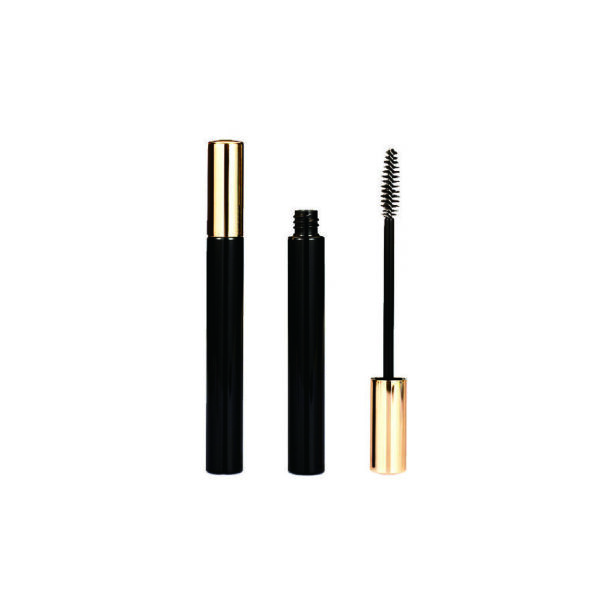
Introduction: Small Supply Shifts, Big Fallout
Your mascara launch lives or dies by a few grams of plastic, paint, and timing. In empty mascara tubes wholesale, one missed spec can ripple through a whole quarter. When you pick an empty mascara tube manufacturer on a hunch, minor defects multiply. Picture a mid-tier brand with a “clean lash” drop. Week one, the wiper drags. Caps mis-torque. Brushes shed at scale. Data follows fast: 11% returns, 3-week backorder, 2,400 units scrapped, and a slide in star ratings. The handlers blame the line. The line blames the tube. The tube blames the mold cavity (and the weather). But ask a harder question: was this preventable with better inputs and stricter gating?
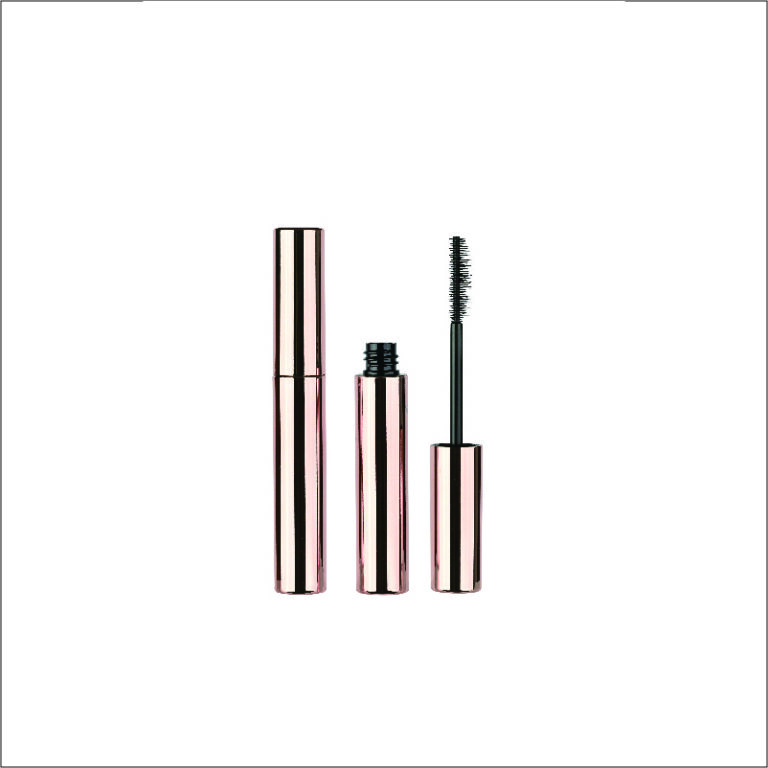
Direct answer—yes, but only if you compare options with discipline. That means deeper checks on resin lots, wiper geometry, and torque testing, before ink hits cartons. The next section breaks down where the usual fixes fail, and why the gaps keep repeating.
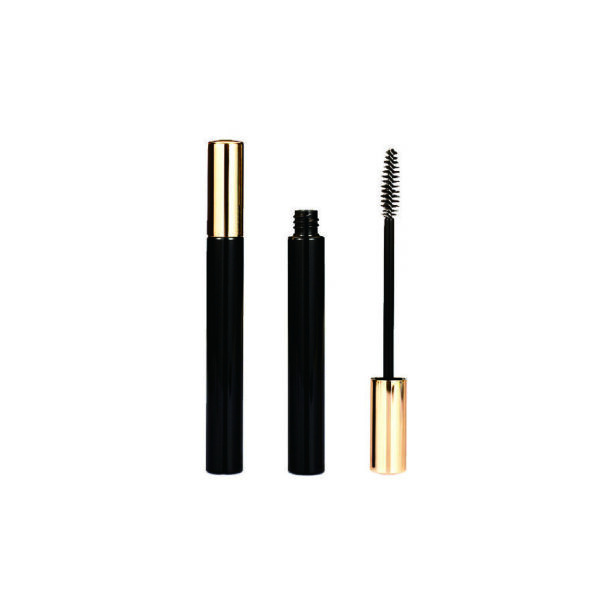
Part 2: Hidden Pain Points Your Vendor Brief Won’t Show
Where do the flaws hide?
Technical note first. Most leakage and clumping issues start upstream, in tooling and process control. A typical empty mascara tube manufacturer will map injection molding to an average tolerance band. That looks fine on paper. Yet micro-variance across a 32-cavity mold can skew thread pitch and wiper lip. Then torque testing passes in a warm room, fails in a cold truck. Solvent compatibility with the lacquer coating? Untested with your exact formula. ISO 22716 may be posted on the wall, but QC sampling is often batch-wide, not cavity-specific—funny how that works, right?
The user pain hides in seconds and grams. Assemblers over-tighten to stop seepage. Fulfillment cranks caps to hit “feel.” Later, consumers fight to open the tube and snap the stem. Drop tests pass once but fail after UV curing shifts the finish. Even a small change in brush wiper durometer can spike dry-out, because airflow rises through a gap you cannot see. Look, it’s simpler than you think: trace by cavity, test by climate, and match resin grade to your solvent profile. Add pull-force windows for the wiper, and record cap torque drift over transit. If your supplier won’t show per-cavity data and transit simulation, that’s the flaw, not the fix.
Part 3: Looking Ahead With Comparative Proof, Not Promises
What’s Next
Forward-looking work favors method over slogans. New lines use ultrasonic welding for inserts, PCR resin blends with tighter MFI windows, and CFD-derived airflow modeling around the wiper throat. The goal is simple: fewer leaks, steadier pull-out, and lower dry-out. When you compare vendors for mascara tubes wholesale, ask for digital twins of the mold cavity, capillary action trials with your bulk, and torque decay curves after thermal cycling. Side-by-side, you see fast who is guessing and who is measuring. Some will offer anodized aluminum sleeves with improved barrier effect; others stick to coated ABS with UV-curing lacquer. One costs more per unit but saves 4% in returns. Do the total math—not the per-piece math.
Real-world impact shows up in the small plot lines. A brand that moved to per-cavity traceability saw complaint rates fall by half in six weeks. Another added brush stem flex testing and cut breakage in transit. Different routes, same lesson: match process control to failure modes, not to marketing claims. And keep a watchlist—wiper lip wear, solvent stress cracking, torque variance over 30 days. The old habit is to trust a pretty sample. The new habit is to trust a stable histogram—funny how fast that changes outcomes.
Advisory close. Use three metrics to choose your path: 1) Deviation rate per 10,000 units by cavity and climate stage; 2) Cap torque variance after thermal and vibration cycles; 3) Wiper pull-force and airflow tolerance linked to your exact bulk. If a partner can’t show these with time-stamped data, compare again. Quiet rigor beats loud claims, every time. For context and ongoing benchmarks, see NAVI Packaging.