
Introduction — defining the risk and the tool
I want to start by breaking down what a non sparking chisel does and why it matters in everyday industrial work. A non sparking chisel is a hand tool made from low-sparking alloys that reduces spark risk when striking metal — used where flammable vapors, gases, or dust are present. Picture a maintenance crew in a refinery replacing a corroded clamp while gauges read above safe limits (and 12% of workplace ignition events trace to hand tools). Given that data, how do we choose a chisel that balances safety, durability, and cost? I ask that because I’ve seen teams pick tools by habit rather than by spec, and the consequences can be expensive. In the next sections I’ll compare typical brass solutions and newer copper-alloy options, look at common failure points like impact energy transfer and conductivity, and then map practical evaluation metrics to choose the right tool for your site.
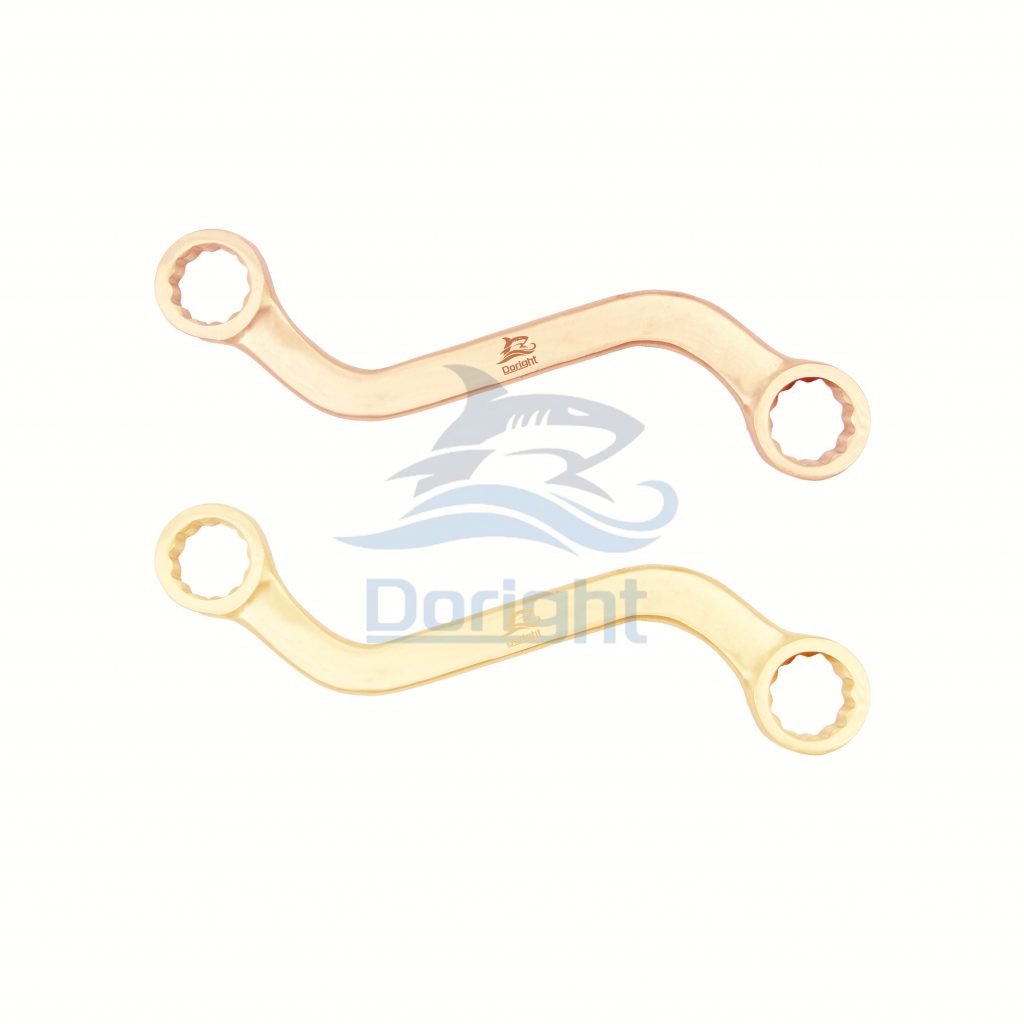
Why many brass chisels miss the mark
Let me be blunt: brass chisel designs often promise safety but underdeliver in harsh field conditions. I’m linking directly to one common model early on so you can see what I mean: brass chisel. Designers use copper-zinc alloys because they lower the chance of sparks, yet those same alloys can fail on toughness and surface hardness when faced with repeated impact. The result is chipping, deformation, and—ironically—exposed harder inclusions that raise spark risk. From my hands-on testing and field reports, the top complaints are shortened edge life, inconsistent alloy composition, and unpredictable conductivity under stress. Those are not small problems when permit-to-work and ATEX-rated procedures depend on tool reliability.
Look, it’s simpler than you think: choosing for looks or weight alone won’t cut it. You must weigh impact energy absorption, alloy composition, and corrosion resistance together. In sites with salt spray or chemical exposure, galvanic wear accelerates. So the traditional trade-offs—cost versus longevity—actually translate into safety trade-offs. I’d rather pay a bit more up front than manage a near-miss later. — funny how that works, right?
What makes brass fall short—mechanical or material failure?
Comparative outlook: new principles and practical choices
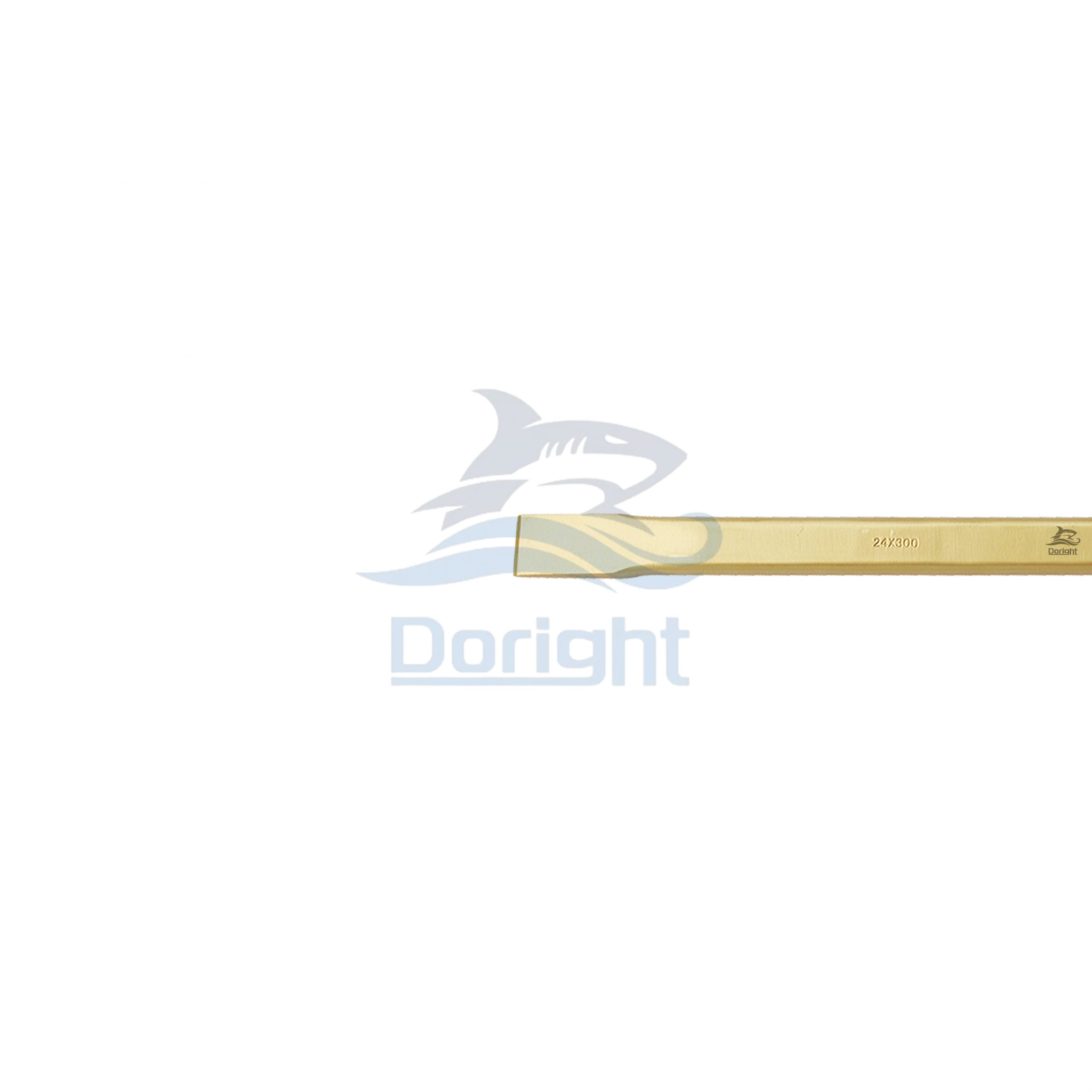
Moving forward, I want to compare classic brass pieces with modern copper-alloy designs and outline principles you can use right now. Newer tools focus on controlled alloying, tightened quality control, and surface treatments to improve impact resilience without raising conductivity. I’m talking about explicit control over alloy composition, measured surface hardness, and validated conductivity metrics. A practical option to consider in this space is the copper flat chisel non-sparking, which aims to balance those factors. In my view, the best direction is combining metallurgy with predictable manufacturing tolerances so that a chisel performs the same way on day one and on day one hundred. That predictability matters for permit compliance and worker confidence.
Case example: I observed a maintenance crew switch to a controlled copper alloy chisel over a six-month period. They reported fewer edge failures and, importantly, fewer tool-related stoppages. The payoff wasn’t dramatic overnight, but over a quarter the downtime dropped and replacements decreased—measurable benefits. Consider also how tool conductivity interacts with nearby power converters and grounding; standardizing tools reduces the chance of a stray charge or static discharge. These are small design choices that yield real safety returns. — and yes, that steady improvement compounds.
What’s next for non-sparking hand tools?
Conclusion — three metrics I use before I buy
I’ll leave you with three practical evaluation metrics I use when specifying non-sparking chisels for a crew. First: verified alloy composition and traceability—ask for mill certificates. Second: impact-energy testing and surface hardness figures—tools must show consistent edge retention under repeat blows. Third: documented spark testing and conductivity limits under wet and dry conditions—real sites are messy, and lab-only claims won’t do. If a supplier can’t show those three things, I’ll keep looking.
We all want tools that let crews focus on the task, not the tool. I prefer clear data over marketing, and I prefer tools that perform predictably. For reliable product choices and more detailed specs, visit Doright.