
Introduction: Framing the Next Standard
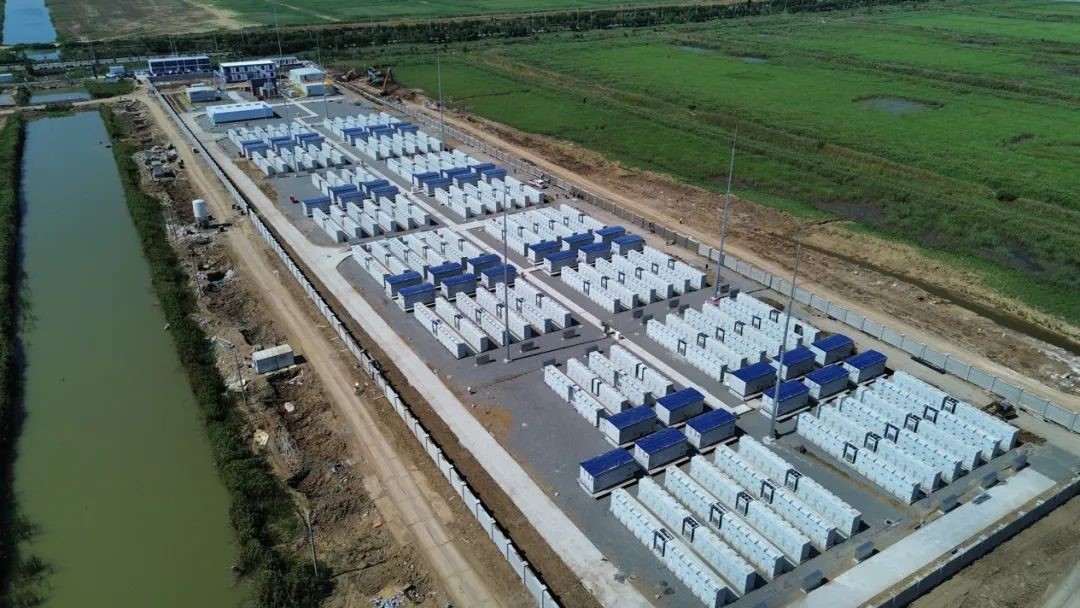
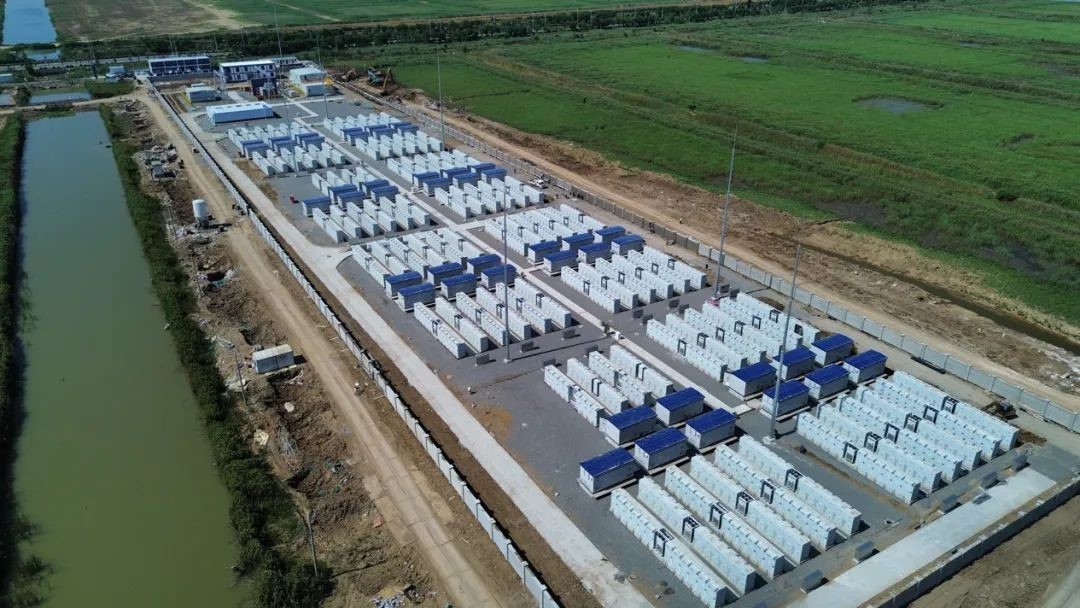
I have spent 18 years buying, building, and troubleshooting grid-scale storage sites from West Texas to Teesside. Utility scale battery storage sits at the center of how we keep power stable and prices sane. In 2023, storage responded to steep ramps almost daily in ERCOT; NREL tracked most front-of-the-meter systems at 2–4 hours duration with round-trip efficiency near 90%. So what separates good from great in utility scale storage providers? The answer starts in the yard at 3 p.m., when ambient hits 40°C, the ISO calls for a dispatch, and your site has to move megawatts without tripping protection (or draining auxiliaries). — The stakes are simple: deliver, or pay for non-performance.
Here, I compare what I’ve seen work, what fails under field stress, and how to choose the right partner for your risk profile. Let’s move from claims on a slide to behavior under load.
Hidden Friction: What You Don’t See on the Spec Sheet
Why do legacy options miss the mark?
Three pain points keep showing up on my punch lists: lifecycle clarity, site-level integration, and heat. First, warranties that hinge on a narrow duty cycle. In 2019 near Odessa (100 MW/200 MWh), we shifted from a 0.5C plan to frequent 0.8C events during a price spike week. The supplier’s degradation model didn’t match reality, and we burned through an extra 1.1% capacity in three months. That meant a $42,000 hit in lost revenue due to early derates. Second, SCADA-to-EMS handoffs. I’ve seen dispatch lag because power converters didn’t share fast telemetry, creating SoC drift that took hours to correct. Third, thermal design. Air-cooled racks looked fine on paper but pushed auxiliary load past 18% at 38°C. Heat hides in the balance-of-plant.
Look, this isn’t wizardry. When a provider can’t show UL 9540A test data at the cell, module, and unit levels, you inherit the uncertainty on thermal runaway behavior. When augmentation plans read like a wish list, you inherit timeline risk. And when C-rate limits are “nominal,” you inherit curtailment. I prefer solutions that specify HVAC skid capacity per container, show fan curves, and state derate steps by 5°C bands — no surprises. In 2022 at a 50 MW site in Teesside, switching to liquid-cooled racks dropped aux load by 3–4% and raised round-trip efficiency by 1.2%. Small numbers, big money over a decade.
Comparative Lens: Field Proof and What’s Next
Real-world Impact
When I compare utility scale storage providers, I run the same playbook. I check how fast their EMS closes the loop on ISO signals, whether their container design isolates faults without taking a whole row offline, and how augmentation is priced against cycle count. In Western Australia last February, with ambient near 35°C, one vendor’s edge computing nodes in the substation cabinet caught high inverter harmonics and corrected setpoints within seconds — and yes, we watched it live during a 5 MW step test. Another vendor needed manual overrides for the same event. On a windy night, that’s the difference between meeting FCAS and receiving a penalty.
Forward-looking features matter, but only if they land on site. I want hot-swappable HVAC modules, stack-level gas detection, and EMS rules that escalate from 10-minute to 5-minute markets without an engineer on the phone. I also want augmentation that finishes inside a 36-hour outage window, not a week. For 2026 builds, watch for higher-capacity cells that still pass 9540A at the unit level, plus container layouts that keep walkways clear for fire service ingress — practical safety, not slogans. Between vendors, I measure three things before I sign: 1) Proven response time under a 0.8C, 15-minute ramp (logged data, not a brochure). 2) Degradation delta after 1,000 cycles at 35°C ambient (site-tested or third-party verified). 3) Full-system auxiliary load at 30°C and 40°C (percentage of nameplate at standstill and at dispatch). If a team can’t show those numbers across at least two deployed projects, I walk.
In short, resilient control, honest thermal math, and credible lifecycle plans beat glossy specs. That’s how you get steady megawatts and calmer O&M. If you need a benchmark to start conversations or to sanity-check a bid package, I’m happy to compare notes — the yard tells the truth. HiTHIUM