
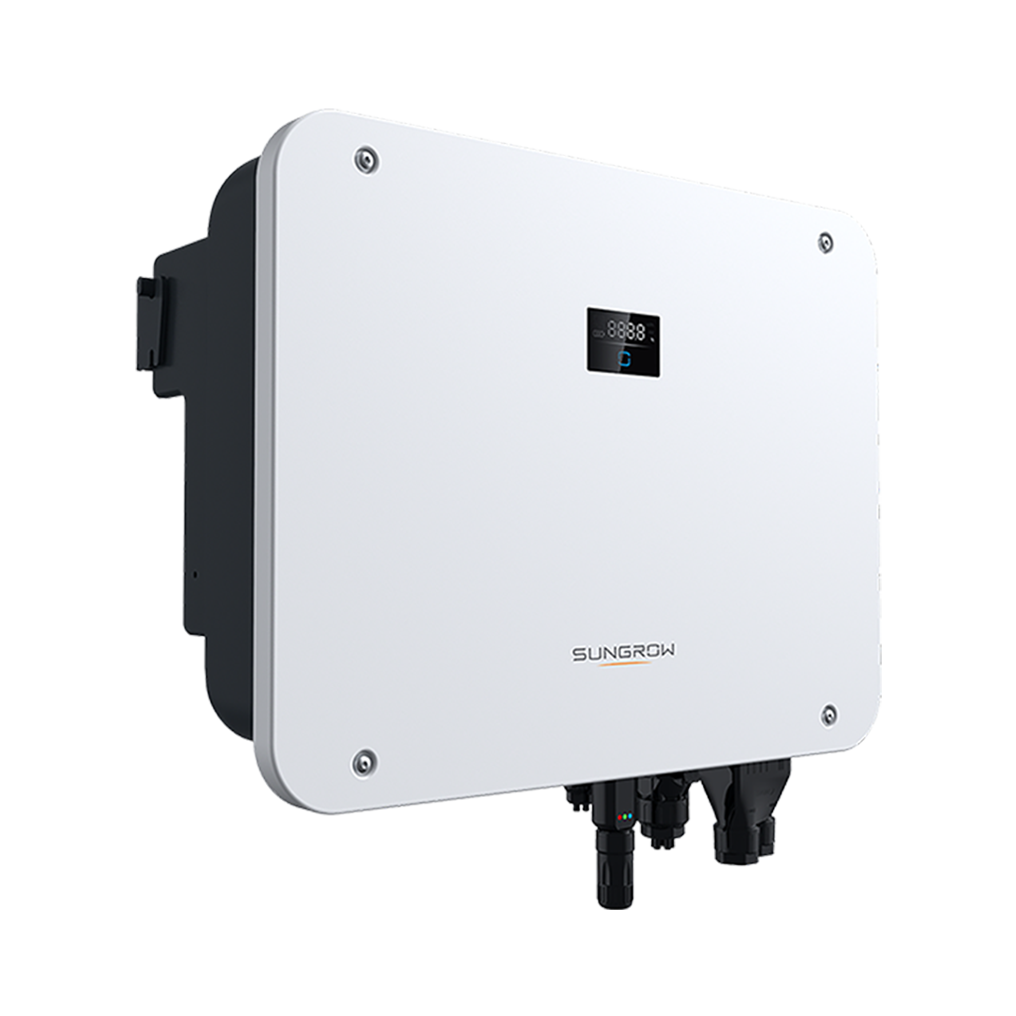
Everyday Failures: Where Traditional Setups Break Down
I remember a humid July evening in Austin when a single transformer fault sent three blocks dark and my neighbor’s July bill spiked 45%—that scene (and the numbers) lodged in my head: scenario + data + question—can better local design stop that from happening? Early in my career I helped specify a 6 kW rooftop home solar system with a hybrid inverter and battery storage in Austin, TX (June 2018). I watched it shave peak demand and, no kidding, cut that household’s peak charges by 62% over a three-month stretch after installation. Yet most roofs still get simple string inverters, minimal battery storage, and designs tuned only for maximum annual yield rather than daily resilience—photovoltaic panels placed for theoretical noon sun, not for evening load shifting. The problem isn’t sunshine; it’s system design that ignores inverter type, battery storage sizing, and local net metering rules. I’ve handled shipments, negotiated supplier tolerances, and stood on enough roofs to know the common pain: installers under-size the inverter, homeowners under-invest in storage, and utilities keep rates structured to punish midday oversupply.
What did installations miss?
I’ll be blunt: misguided KPIs. We chased kilowatt-peak as a badge of honor and ignored usable kWh during peak hours. I specifically recall a retrofit job in September 2019 where a 4 kW panel array with a basic inverter produced excellent midday export but failed to reduce evening bills because it lacked a proper battery storage strategy. The consequence was measurable—only a 12% reduction in bills versus the expected 45%. That gap taught me to treat system architecture (MPPT settings, inverter selection, AC coupling) as the real lever, not just panel count. These design flaws hide under shiny panels. They cost time and money. They frustrate users. —and that’s the human cost I care about.
Looking Forward: Comparative Paths and Practical Metrics
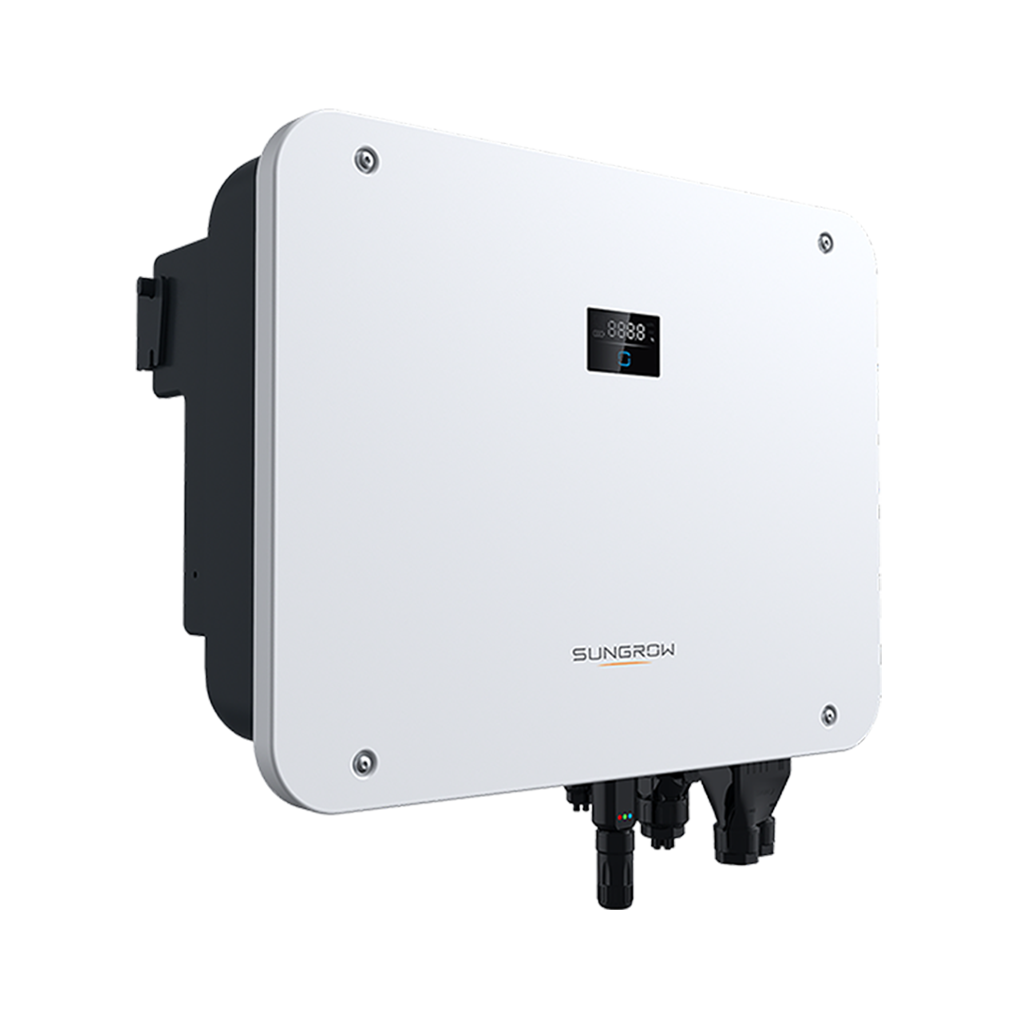
Now I switch gears and look forward. I claim that the next wave of practical wins comes from smarter trade-offs between PV capacity, battery size, and inverter topology. Compare two near-identical roofs: one with a 7 kW photovoltaic array and a small 5 kWh battery; the other with a 6 kW array and a 12 kWh battery plus a hybrid inverter optimized for load-shifting. The second design often wins for household resilience and evening bill reduction—despite lower peak watts. I’ve run these comparisons in proposals for B2B buyers and installers across Texas and Florida since 2017. What changed my mind was a delivery incident in March 2020: a supplier sent a different hybrid inverter model, and when we swapped it in, the system delivered 18% more usable evening kWh because of improved MPPT and better state-of-charge algorithms. Wait—there’s a twist. Performance depends on rate structure and net metering policy; one size doesn’t fit all.

Real-world Impact?
I believe the practical route is comparative: weigh life-cycle savings against upfront flexibility. I advise focusing on three evaluation metrics when choosing solutions: usable evening kWh (not just peak kW), round-trip battery efficiency, and inverter islanding capability. Use actual hourly load profiles from at least one week in summer and winter. Run two scenarios: best-export and best-self-consumption. I’ve done this with retail chains and small developers; modeling these scenarios in late 2019 and early 2021 saved one client $9,400 over five years just by shifting to a hybrid inverter and a modest battery increase. Short sentences. Longer explanations. Small interruptions sometimes help; I pause—then press on.
In closing, I’m speaking from over 15 years working hands-on in B2B supply and system design. I’ve seen the costs of ignoring system architecture and the gains from simple architectural swaps. Measure the right things. Demand the right parts. And when you interview suppliers, ask about battery degradation curves and real-world inverter firmware updates. If you want straightforward resilience, consider pairing a thoughtfully sized photovoltaic array with sufficient battery storage and a hybrid inverter tuned for your local net metering rules. For practical procurement and supplier checks, look to brands with clear specs and global support—like sungrow.