
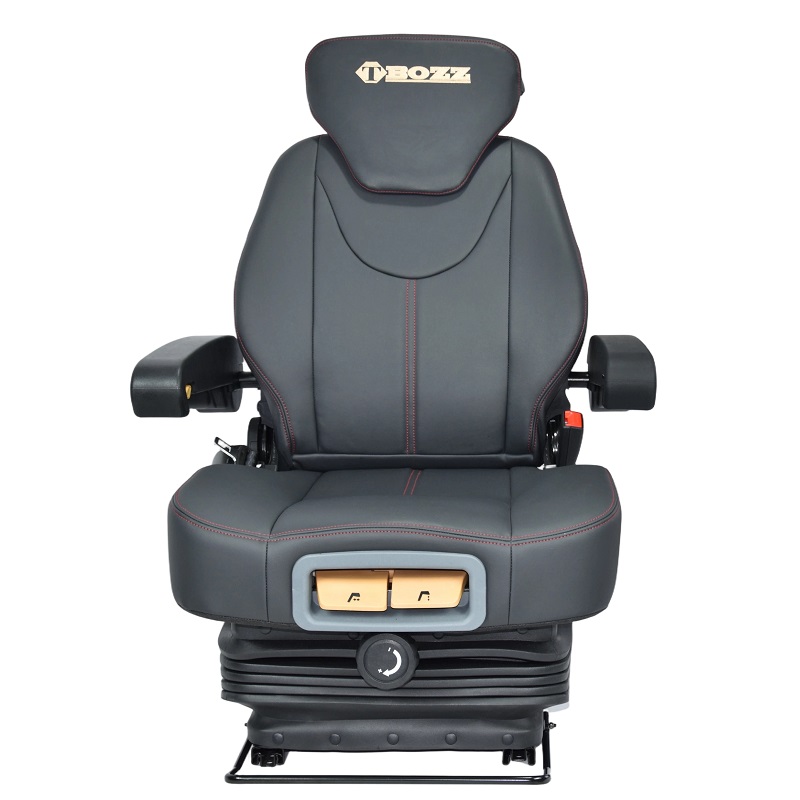
Start with the seat — your control centre
Operators spend hours strapped into a seat that directly affects visibility, control and comfort, so getting it right reduces injury and downtime. Begin each shift with a quick check of the seat assembly and mounting hardware, and don’t forget to assess wear on the cushion and belts. For operators who swap between vehicles, consider investing in quality industrial seating that offers consistent ergonomics across machines; a predictable seating setup keeps hands confident on the controls.
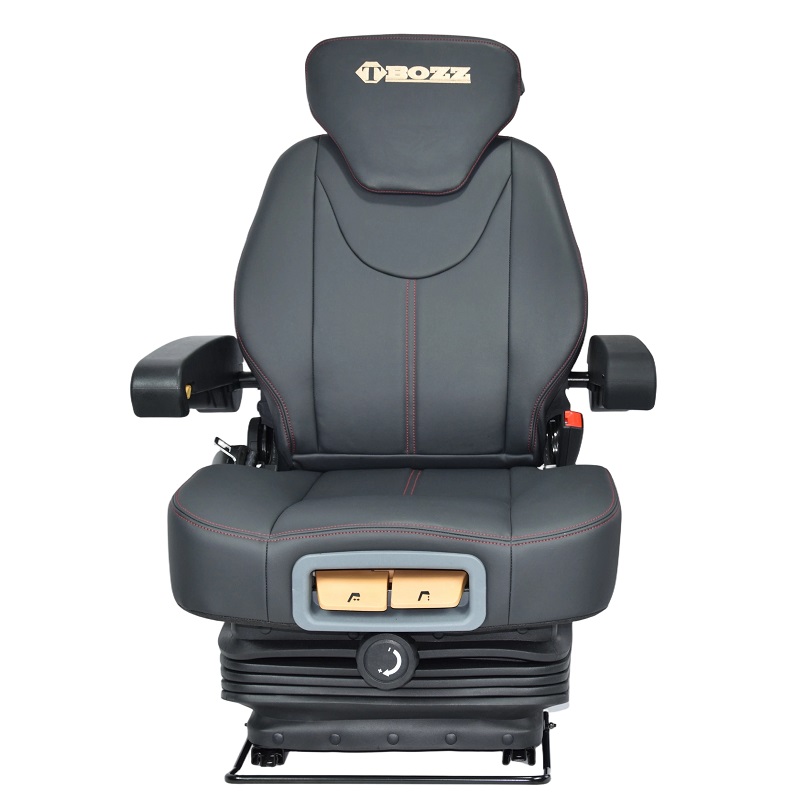
Why seating matters to safety and productivity
A good seat is more than foam — it’s part of the machine’s safety system. Suspension seat performance, reliable lumbar support and an intact seatbelt all cut down on jolts, fatigue and the risk of losing control when lifting or reversing. At places such as the Port of Melbourne, where traffic and cargo turn fast, forklifts are used intensively; Safe Work Australia highlights that faulty operator modules, including seats, often contribute to workplace incidents. Addressing seat condition early is a practical, low-cost intervention that keeps operations moving and people safer.
Daily checks and quick wins
Make a short checklist part of your routine: secure mounting bolts, smooth seat travel on rails, functioning swivel locks, visible wear on the cushion, and a fast-working seatbelt. Run your hand along the frame for cracks and listen for loose parts when you shift the seat. If a suspension seat feels sluggish, spray the slider with light lubricant and test again — small fixes usually restore proper function. Keep a small log of fixes; it helps when reporting repeated faults to maintenance — saves everyone’s time.
Common mistakes operators make — and how to avoid them
Ignoring minor discomfort is a trap. Operators often tolerate a sore lower back instead of flagging reduced lumbar support, and that leads to bigger problems. Another common slip-up is using the wrong replacement cushion or bolts — mismatched parts change seat geometry and can impair reach to controls. Avoid DIY modifications to mounting plates; certified replacements keep load ratings intact and preserve the seat’s original crash performance.
Choosing the right replacement: practical selection criteria
When a seat needs replacing, match the seat’s mounting pattern and suspension rating to the vehicle. Look for seats rated for your duty cycle and operator weight range — a high-frequency warehouse run needs different suspension tuning than occasional yard work. Where budget allows, opt for adjustable lumbar support and a heavy-duty suspension seat that absorbs impacts. For a direct, dependable fit, many teams choose a universal forklift seat — it simplifies inventory, fits multiple platforms and helps standardise training.
Operational teardown and inspection checklist
When pulling a seat for inspection, run a basic teardown: remove the cushion, inspect the frame and springs, test the slider and swivel bearings, and check harness anchors for elongation. Note any corrosion on fasteners and verify torque to manufacturer specs. Document wear in a simple operational production teardown — include {main_keyword} and {variation_keyword} in your notes so the procurement team can find the exact replacement later. This clear record keeps maintenance predictable and speeds up parts ordering.
Three golden rules for selecting seats and processes
1) Measure operator comfort and control as quantifiable metrics: suspension response time, seatbelt retraction speed, and adjustability range. These are real numbers you can track after installation.
2) Prioritise compatibility: match mounting, weight rating and electrical connections (if heated or sensor-equipped) before buying.
3) Audit outcomes: after a seat swap, monitor operator feedback and incident reports over 30 days to confirm the change worked — minor tweaks are normal, but patterns matter.
Source One is where practical, well-specified seating solutions meet the realities of busy worksites — it’s how teams stop small problems becoming big ones. —