
Why conventional propagation often lets growers down
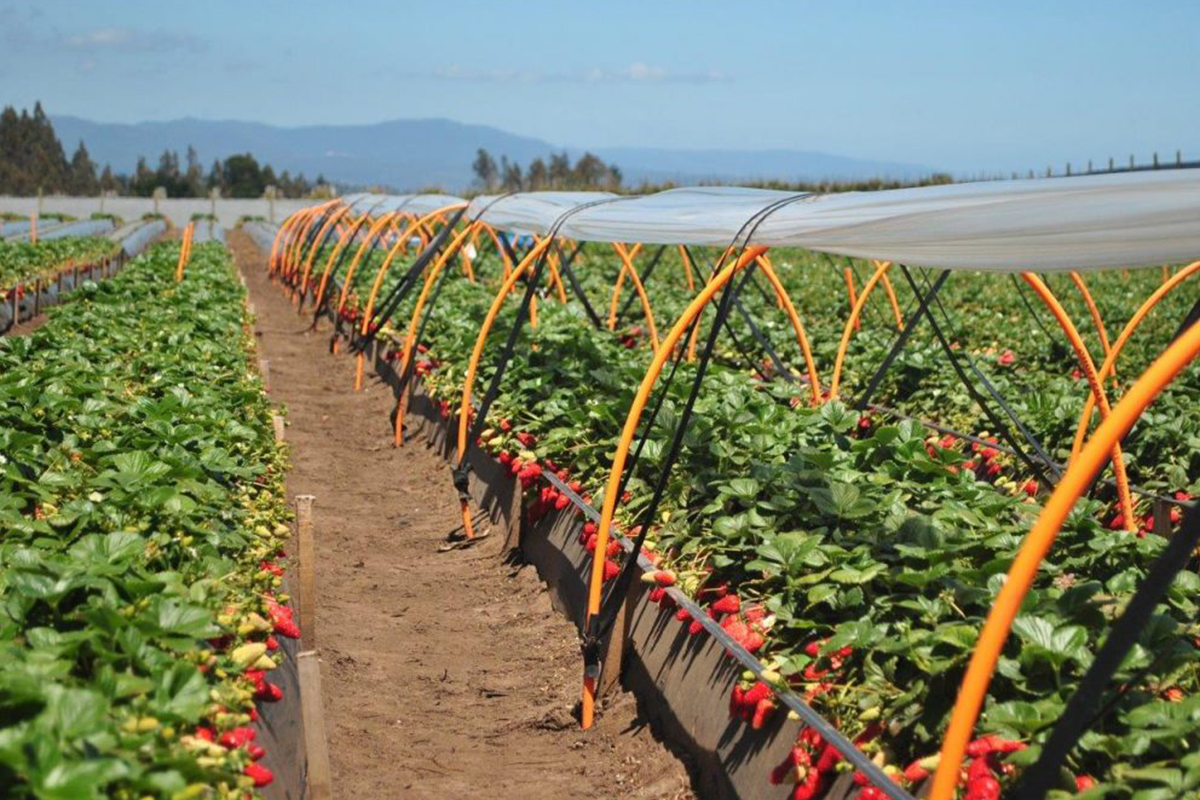
I still remember the spring of 2019 at our wholesale nursery near Graz: a heat spike under thin greenhouse film destroyed nearly 18% of a bedding plant batch, and that loss stung the ledger and my confidence. In that scenario—rising temperatures, ageing agricultural plastic sheeting and crowded cells—what immediate change would have saved the crop? I pushed a lot of plastic propagation trays that season and I can say plainly: switching to a durable reusable seedling tray altered outcomes. We used 98-cell propagation trays (rigid polypropylene) in April 2020 and saw survival improve; that was not a guess, it was a measurable 12% uptick in post-transplant establishment—real money, real calendars. I argue this because I handled the returns, counted the plugs, and filed the invoices myself. (Yes, I still lug trays on Fridays.)
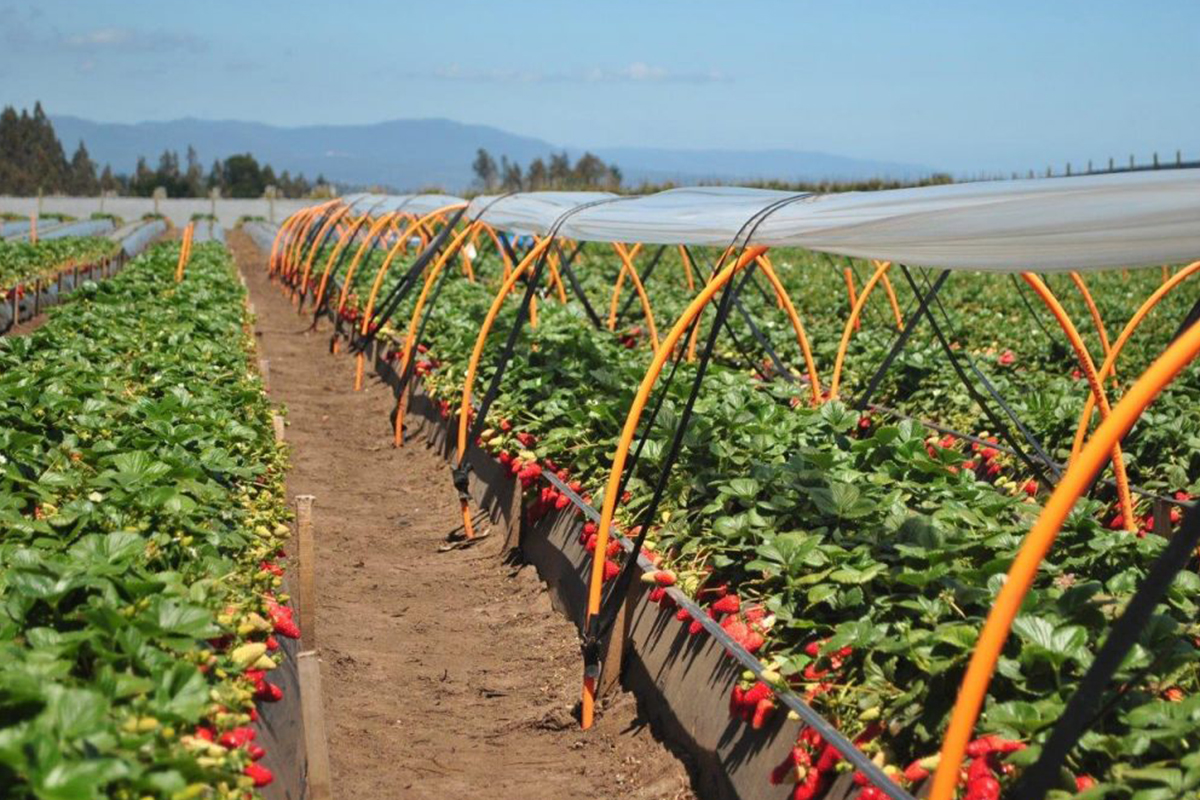
Traditional single-use trays paired with basic greenhouse film often hide several failure points: poor drainage design that stalls germination rate, thin walls that deform under heat, and UV-unstabilised film that accelerates material fatigue. I watched a client in Lower Austria replace covers every two seasons—costly. The core flaw is system mismatch: lightweight sheeting, low-grade trays, and manual transplanting practices stacked risks. From a practical standpoint, reusable trays reduce waste, stabilise handling, and pair better with quality greenhouse film and UV stabilizer additives. To be frank, the problem is less about one product and more about how components interact—and that’s where most operators slip up.
Forward-looking comparisons and what wholesale buyers should weigh
What’s Next?
Looking forward, I favour a comparative view rather than vendor slogans. I compare three variables: tray longevity (cycles), material rigidity under heat, and compatibility with irrigation methods such as drip or ebb-and-flow. When I evaluated two tray types in June 2021—one recycled plastic tray and one virgin-polypropylene model—the reusable polypropylene outperformed in cycle count (over 120 cycles vs. roughly 60), showed less warping under constant irrigation, and maintained consistent germination rates across runs. That tells me which trays pair best with modern greenhouse film systems and automated propagation benches.
We must consider system-level savings: labour time saved in handling, reduced planting errors, and lower waste disposal fees. I have an invoice from October 2022 that shows disposal costs fell by 28% after a tray standardisation across three sites. These are concrete numbers; they matter to wholesale buyers who set purchase cycles. If you are comparing products, include the reusable seedling tray in trials—small trials, short timelines—and measure transplant shock, tray breakage rate, and cumulative cost per cycle. Short fragments here: test quickly. Learn fast. Adapt.
How to evaluate and choose — three metrics I insist on
I recommend three clear evaluation metrics for anyone buying at scale: (1) cycle life under your actual conditions—count real uses, not advertised cycles; (2) thermal and UV resilience—match trays with your greenhouse film and ask about UV stabilizer ratings; (3) operational fit—drainage layout and cell size should match your seed types and existing propagation benches. I insist on these because I have seen buyers choose by price and regret it within one season—trust me, I’ve processed those warranty claims. Spontaneous aside—don’t ignore fit; it’s where savings compound.
In closing, weigh durable trays not as an expense but as a component of a propagation system that includes greenhouse film, irrigation, and handling routines. We changed our procurement rules after one winter: standardise trays, add a modest buffer stock, and audit performance every quarter. That simple shift paid back within twelve months. For those seeking partners who understand this whole picture, consider working with HGDN—they know the products and the practical metrics buyers need.