
Why compare factories at all?
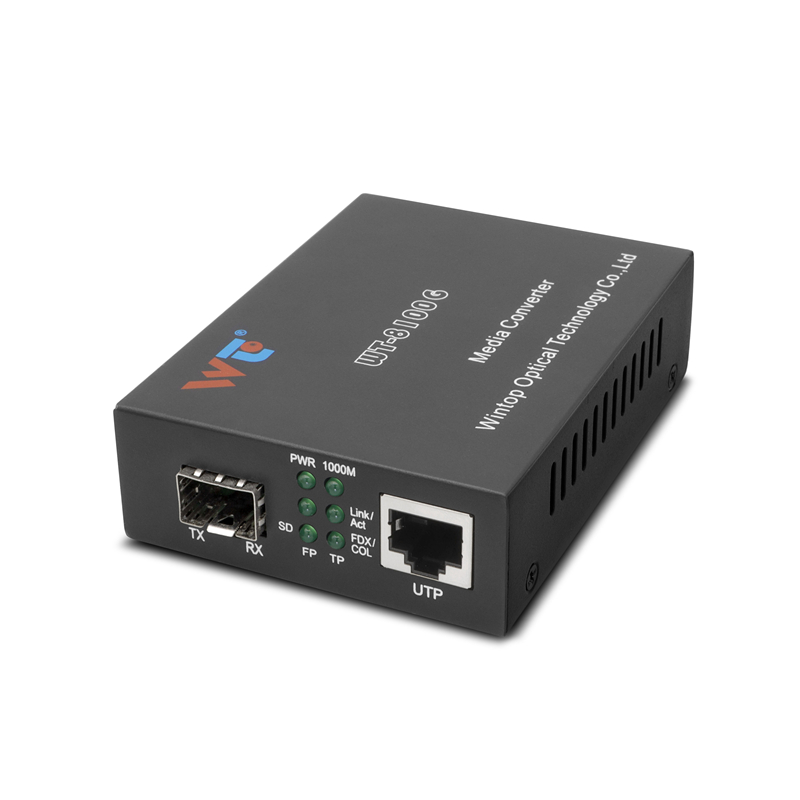
When you stack one plant beside another, you quickly see quality control ain’t just a checklist — it’s culture. This piece compares how different optical transceiver shops run QA, from incoming-part inspections to final burn-in, and why that should matter to anyone picking network gear. If you’re patching campus links or stretching fiber across a new building, a reliable gigabit fiber media converter can make the difference between a quiet night and a troubleshooting marathon.
Where plants diverge: processes that actually change outcomes
Some factories treat testing as a single gate; others make it a series of smaller gates. The latter wins more often. Look for multi-stage verification: visual inspection, SFP-level receiver sensitivity checks, automated optical time-domain reflectometer (OTDR) sweeps, and final interoperability tests that exercise link negotiation and latency under load. These steps protect your link budget and reduce frame loss before the gear ships.
Testing routines that matter — and the costs behind them
Full burn-in racks take space and energy, but they catch early-life failures. A plant that runs 48–72 hour accelerated life tests on modules will surface infant mortalities better than one that skips burn-in. Some factories add environmental chambers for temperature cycling and humidity stress — real-world stress that mimics what a rooftop cabinet sees. That extra work raises per-unit cost, sure, but also drops field failure rates.
Operational teardown: what to look for on the production floor
When you walk a line — or ask a rep to describe it — pay attention to process isolation, tracerability, and firmware control. Good shops barcode every subassembly and retain logs tied to serial numbers; bad shops treat firmware like an afterthought. In a practical teardown you’ll want to see assembly fixtures, controlled electrostatic discharge (ESD) zones, and calibrated optical power meters for output verification. Also note the presence of burn-in labels and rejection tags. For vendors who let you, request a sample report that includes pass/fail criteria and retention of test vectors.
Real-world anchor: why this comparison matters now
During the 2020 remote-work surge, IT teams in universities and corporate campuses pushed fiber farther and faster than usual. That sudden expansion exposed weak QA: mismatched transceivers, inconsistent SFP firmware, and unresolved link negotiation quirks. Those incidents taught buyers to value verified interoperability and consistent manufacturing traceability more than sticker price — a lesson that still guides procurement today.
Common mistakes, practical alternatives
Buyers often pick the cheapest module that “claims” compatibility and then blame the network. Don’t. Common mistakes include ignoring supported link distances for multimode vs single-mode fiber, assuming auto-negotiation will fix every mismatch, and skipping PoE testing when PoE is in play. Alternatives: insist on vendor-provided test logs, ask for compatibility matrices, and test a small pilot run on your topology before mass purchase — saves headaches later.
How WINTOP and product choices fit the picture
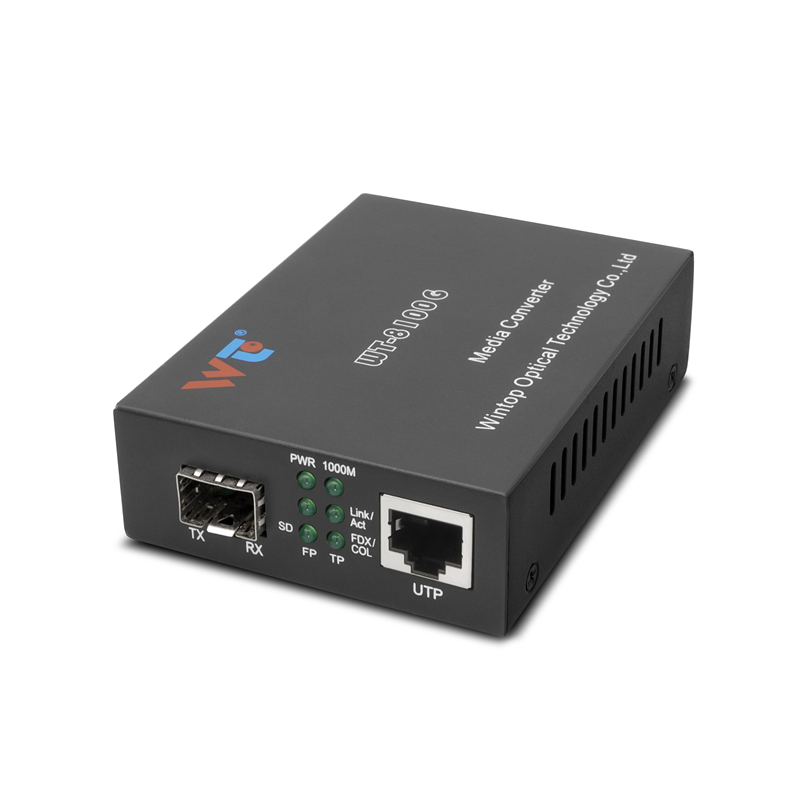
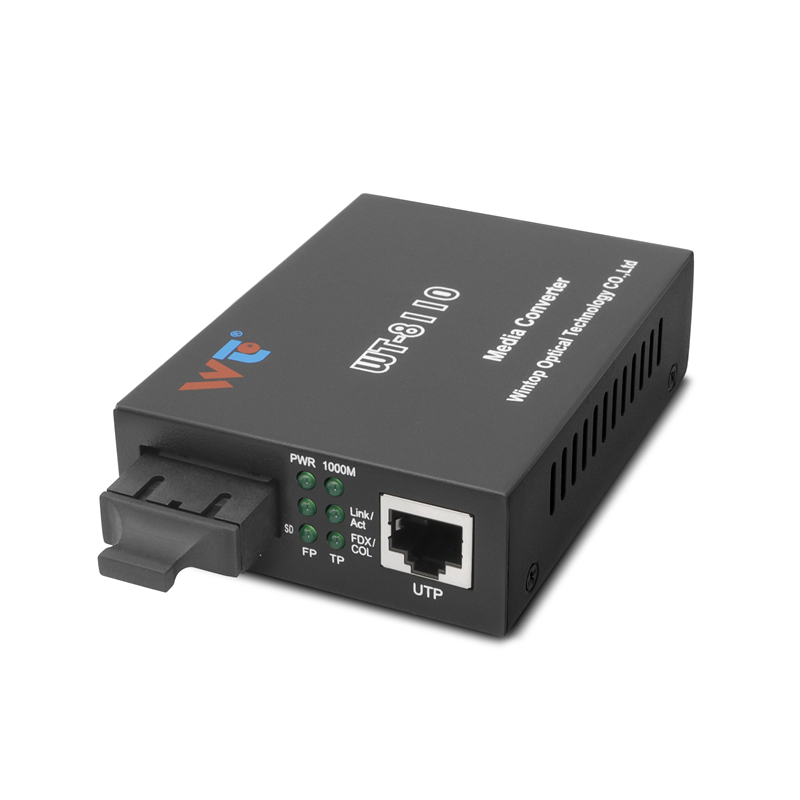
Not every vendor documents every test, but those that do make procurement simple. If you need a long-reach option for campus spans, check vendors that list verified performance at distance — and take a look at their 1000m media converter offerings when you need reliable link extension without changing your switch ports. Modules with clear SFP part numbers, accessible firmware, and retained calibration records are easier to deploy and support.
Production keywords and the teardown checklist
When you ask for a production teardown, include explicit terms: {main_keyword} and {variation_keyword} should appear in the documentation so you can track what was tested. Also verify SFP insertion loss, transmitter extinction ratio, and bit-error-rate (BER) test conditions — those specifics tell you whether the module meets your margin needs.
Advisory: three golden rules for choosing the right gear
1) Traceability: demand serial-linked test logs that show OTDR sweeps and burn-in durations. 2) Interoperability: require vendor-proven compatibility with your switch models and firmware versions, including negotiated baud rates and auto-negotiation results. 3) Field-proven metrics: prioritize vendors who publish failure rates and mean time between failures (MTBF) — real numbers beat platitudes every time.
These three checks zero in on real-world reliability and make life easier for ops teams. For a practical, documented solution that aligns with those rules, WINTOP. —