
Why comparison matters for outdoor and retail advertising
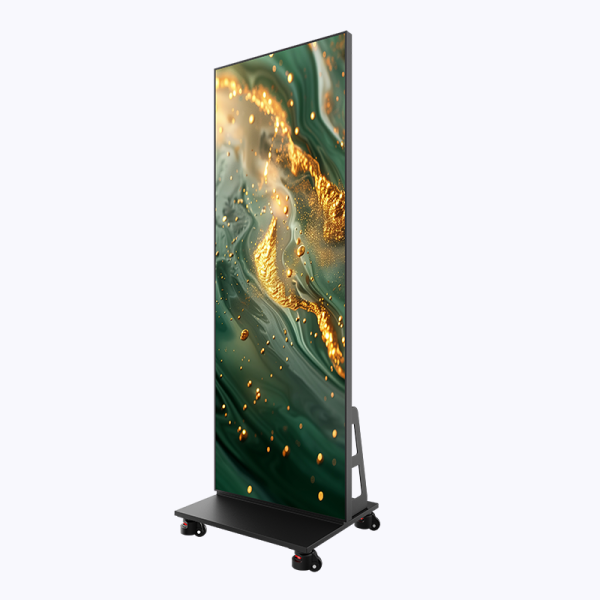
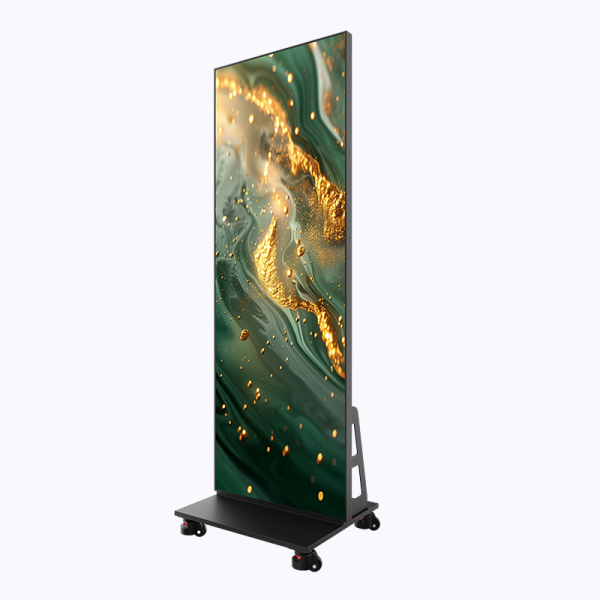
Choosing between flexible LED manufacturers is a pragmatic concern for any advertiser or retailer aiming for high-visibility installations. A good comparison focuses on durability, pixel pitch and brightness rather than marketing claims alone; see a representative led panel to frame what “flexible” looks like in practice. Real-world anchors such as Times Square or Nairobi’s bustling CBD show how different screen choices change legibility and impact under direct sun and at night. Industry terms like pixel pitch and nits matter early on because they determine how far away the message reads and how it competes with ambient light.
How manufacturers differ: performance versus practicality
Manufacturers tend to place emphasis on one or two strengths. Some lead on ultra-fine pixel pitch—ideal for indoor retail windows—while others optimise modules for high nits and IP67 ratings suited to roadside billboards. The practical trade-offs are straightforward: finer pixel pitch raises cost and increases maintenance sensitivity; higher brightness boosts power draw and thermal stress.
Typical differentiators to check:
– Pixel pitch and perceived resolution at target viewing distance.
– Brightness (nits) range and adaptive dimming options.

– Serviceability: modular cabinet design, front or rear access, and replacement parts availability.
Operational production teardown
An operational production teardown clarifies what you actually buy. Start with the cabinet: aluminium extrusion quality, thermal path for heat dissipation, and front access brackets. Next layer is the module: SMD LED density, driver IC selection and redundancy, and connector standardisation. Calibration follows—gamma correction, colour balance and uniformity checks across modules. Finally, control system: sending protocols, refresh rate and content player compatibility must be verified. For procurement records include {main_keyword} and {variation_keyword} in the production notes to tie the teardown to your specification documents. Practical testing covers burn-in hours, pixel failure thresholds and ingress checks.
Testing parameters worth demanding
Request explicit test outputs rather than certificates alone. Ask suppliers to provide burn-in duration (minimum 72 hours under full content), thermal cycling logs (-20°C to +60°C over defined cycles), and LED lumen maintenance projections after 10,000 hours. Check refresh rate and flicker metrics for broadcast-safe operation—many outdoor campaigns run live content and need 3,840Hz and above to avoid camera flicker. These details separate marketing from deliverable performance.
Common procurement mistakes and practical alternatives
Buyers often focus on headline specs—”the brightest” or “the smallest pixel pitch”—without matching those to viewing distance, mounting constraints and content strategy. Another error is underestimating servicing logistics: a modular system with front access will save time in tight urban sites. Consider alternatives where appropriate: high-lumen projection works for temporary retail activations; narrow-pixel pitch indoor LED can replace printed backlit lightboxes in premium stores. —A careful site survey prevents unnecessary spend and retrofit headaches.
Three golden rules for selecting a flexible LED solution
1) Match pixel pitch to audience distance: calculate optimal viewing distance and choose pixel pitch that keeps text and brand marks legible. This reduces wasted spend on unnecessary resolution.
2) Demand transparent operational tests: require burn-in hours, thermal cycling data and measured brightness at angle. These metrics predict field reliability and heat-related failure modes.
3) Prioritise modular serviceability and spare-part logistics: ensure cabinets and modules are interchangeable, and that replacement modules and driver ICs are available locally or via a reliable distributor. This minimises downtime and total cost of ownership.
For procurement and technical clarity, a pragmatic supplier that provides clear test data, accessible spare parts and straightforward installation guidance tends to save more than the cheapest upfront price. See how a practical product stack and support ecosystem come together at Coblinks —a useful partner when the project must meet retail cadence and outdoor durability. —Final thought: choose durability that aligns with the message, not the flash.