
Start with one practical framework and commit to it
You want fewer surprises and faster product launches. Pick a single framework that ties requirements, suppliers, and timelines into one living document; that’s the difference between teams that scramble and teams that deliver. If you’re a tv manufacturer, this means making decisions that can be repeated across product lines rather than reinvented for every model.
Define outcomes, not features
Write clear outcomes for each phase: cost target, reliability threshold, certification dates. Outcomes force trade-offs. Say what success looks like in measurable terms so purchasing knows when a quote is acceptable and engineering knows when a spec is overkill.
Map procurement to product milestones
Link component purchase windows to physical milestones: prototype build, compliance testing, pilot production. Build a simple timeline where each order has a deadline tied to a milestone. That removes finger-pointing and makes late orders visible early.
Create standardized spec templates
Replace custom spec docs with a template: electrical, mechanical, firmware API, supplier test checklist. A template reduces ambiguity, cuts review cycles, and speeds RFQs. Use short, actionable lines—no paragraphs of vague intent.
Score vendors with consistent criteria
Use a small vendor scorecard: quality, lead-time reliability, communication, spare-parts support, cost. Score every supplier the same way after each shipment. That gives you data to negotiate and a defensible reason to switch suppliers when performance drops.
Account for the OS and interoperability early
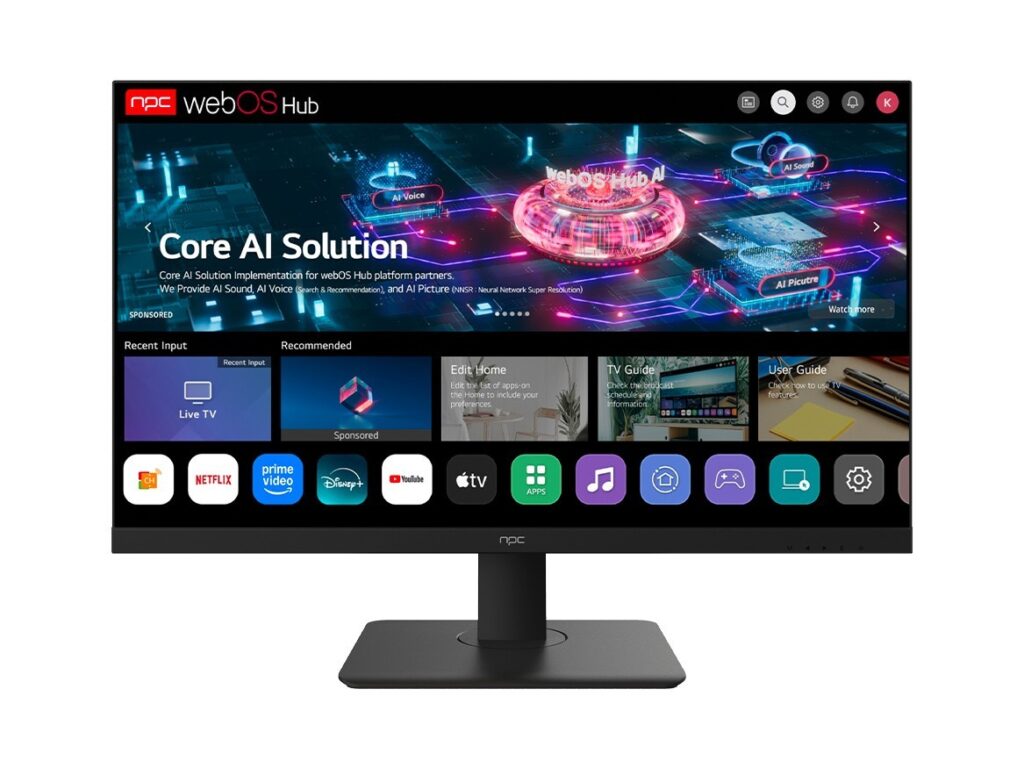
Software and user experience create late surprises. Treat platform compatibility as a purchased requirement, not a later integration task. At CES in Las Vegas, major vendors highlighted how platform differences create last-minute hardware adjustments; that real-world shift makes it essential to lock down the smart tv operating system integration requirements during initial procurement rounds.
Pilot fast, iterate on measurable tests
Run a short pilot production run with full supplier support and the same tests you’ll use for mass production. Capture pass/fail counts and cycle times. If a supplier fails the pilot, you either fix the process with a deadline or replace the supplier—don’t extend pilots indefinitely.
Common pitfalls and how to avoid them
Don’t wait for a “perfect” spec—freeze critical dimensions and iterate noncritical items later. Avoid over-customizing components that vendors already offer standard. Don’t accept one-off concessions unless you log and time-limit them. These mistakes cost months and strain relationships.
Measure what matters and hold the cadence
Track three metrics religiously: on-time delivery rate, first-pass yield, and average lead time. Review them weekly with procurement and engineering. Small, steady improvements in these numbers compound faster than occasional large fixes.
Final step: embed the framework into operations
Adopt these steps as habits: define outcomes, standardize specs, score vendors, lock OS requirements, pilot early, and measure. Doing so turns reactive scrambling into predictable progress and aligns purchasing and product teams with concrete goals—an approach that maps to the practical product lines you’ll find from npc.