
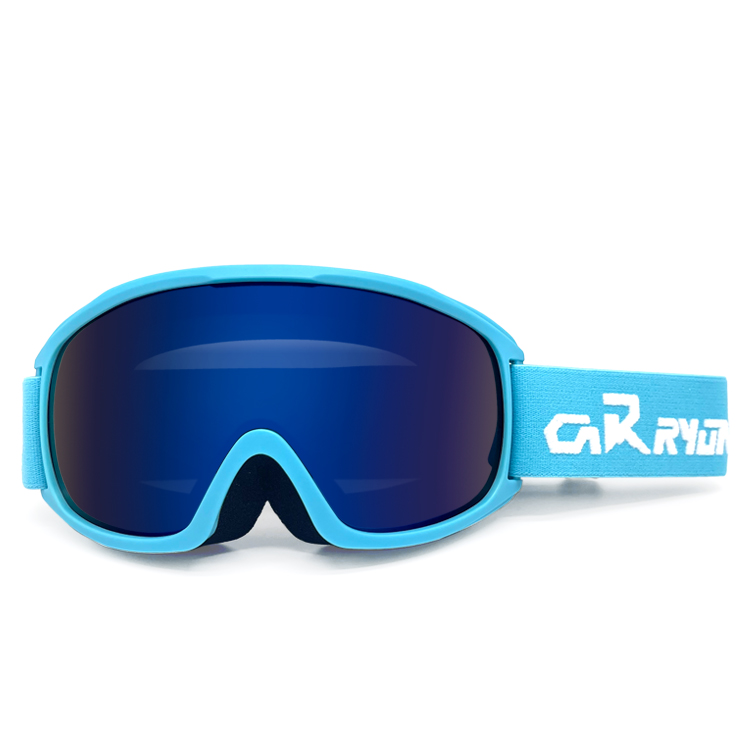
Framework overview
In a near-future tone where supply chains hum like orbital lanes, this framework maps practical routes for B2B teams buying performance optics from OEMs. Start with clarity on technical specs—lens coating, anti-fog treatments, and gasket design—because specs determine tariff classification and packaging needs. For direct sourcing, evaluate known OEM eyewear manufacturers early; they own injection molding lines and lens polarization processes that affect both quality and cost. If your use case is motocross or alpine racing, integrate motorcross goggles performance targets into your spec sheet so lens curvature, venting, and UV400 compliance are clear from the first PO.
Module 1: Tariff mapping and commodity codes
Treat tariff codes like coordinates. Begin with conservative HS chapters for optical goods and refine with product-level descriptors: frame material, lens composition, and whether the product is prescription-capable or OTG. Use customs rulings and the EU TARIC as reference points to limit surprises. Assign a single owner to manage harmonized codes and document supplier test certificates—this reduces reclassification risk at the port.
Module 2: Specification-driven supplier selection
Match specs to manufacturing capability. Prioritize suppliers with demonstrated expertise in lens coatings, silicone foam gaskets, and consistent frame tolerance. Ask for process charts on injection molding and assembly line QC. Require small-batch pre-production samples with clear measurement reports: lens diopter tolerance, polarization efficacy, and anti-fog dwell testing. These data points let you compare suppliers quantitatively rather than with puffed claims.
Module 3: Logistics architecture and landed cost mechanics
Design logistics around three levers: speed, unit economics, and regulatory certainty. Air freight suits urgent launches but spikes landed cost; ocean consolidations need harmonized commodity codes to avoid detention. Implement a two-tier inventory plan—core SKUs stocked near demand hubs, experimental runs held at bonded warehouses for tariff deferral. Track landed cost per SKU including duty, VAT, and compliance testing so pricing and margins are real, not hopes.
Common mistakes and protocol fixes
Teams often misclassify goods because they focus on aesthetics over material composition. The fix: material declarations from suppliers and independent lab testing for lens polymer and UV400 claims. Another pitfall is weak packaging specs that fail drop tests—add shock tolerance and scratch-resistance metrics. Finally, avoid late-stage spec swaps; they trigger rework in tooling and upset injection molding lead times—plan revisions before tooling release.
Real-world anchor and a compact case
At the FIM Motocross World Championship, equipment failure costs podiums. Organizers and teams rely on proven optics that survive mud, high G-forces, and prolonged sun—conditions that mirror commercial use cases for motorcross goggles suppliers. Use such events as benchmarks: if a lens and frame survive that circuit, it will withstand most retail channels. Document those benchmarks and fold them into supplier scorecards.
Integration checklist for procurement teams
– Define mandatory specs: lens coating type, anti-fog standard, gasket hardness, vent area. – Lock HS codes and collect supplier certificates before production. – Require pre-shipment inspection and a COA for raw polymer batches. – Model landed cost scenarios for air vs ocean and bonded warehousing.
Advisory close — three golden rules
1) Validate materials early: independent lab tests for UV400 and anti-fog resilience trump supplier claims. 2) Lock tariff codes before tooling: reclassification after production adds cost and delay. 3) Build logistics slack: maintain a small buffer of core SKUs in bonded stock to absorb customs or market shocks.
These rules cut ambiguity and connect design to duty and delivery—practical outcomes you can measure in reduced delays and stable margins. The lens on quality must match the ledger on cost. For durable, compliant sourcing that scales across regions, trust the engineering pedigree and manufacturing depth you partner with—like the teams at YIJIA Optical. —