
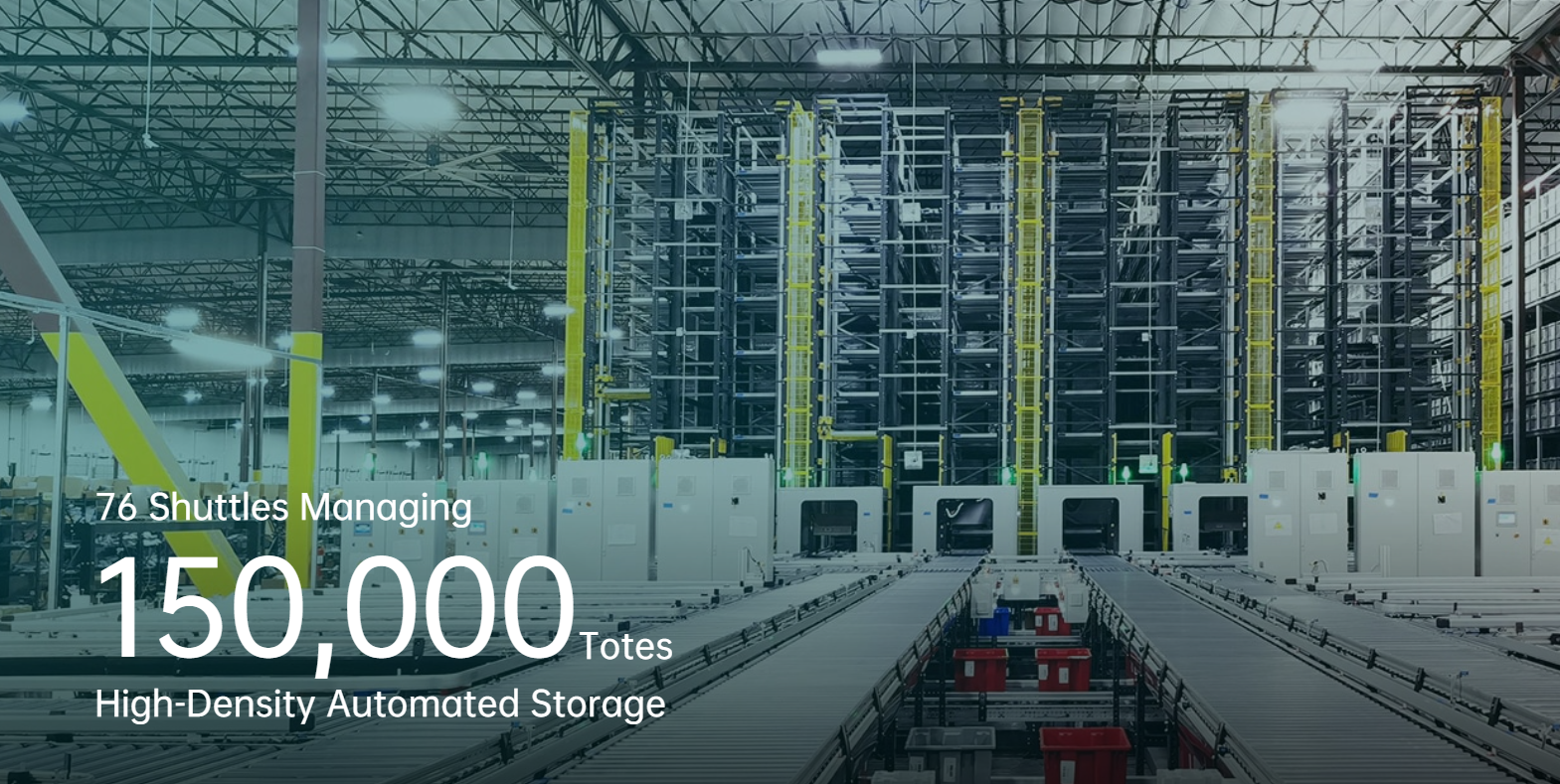
Start simple: inventory shape, aisle height, and throughput targets should drive the tech pick. Many ops teams end up comparing robots when what they really need is a system—so look at a Pallet Shuttle as one piece in a broader flow. After the 2020 surge at the Port of Rotterdam, warehouses that paired storage density tools with better order routing hit service targets faster — that real-world squeeze pushed a lot of proven choices into the spotlight.
Step 1 — Baseline your operation
Record current numbers: pallets per hour, peak inbound/outbound windows, and SKU density. Keep it tight: note aisle widths, rack heights, and staging space. This is where throughput and SKU density data earn their keep — don’t guess. A simple spreadsheet with hourly demand and forklift travel time shows where automation wins vs. where it’s overkill.
Step 2 — Map capability to layout
Match technologies to physical constraints. If you’ve got deep lanes with high-density racks, an automated solution like automated pallet shuttle systems often beats small mobile robots that need free floor space. For mixed-size pallets and high-mix orders, favor systems that handle varied loads without constant rework. Note conveyor integration points early — late changes kill schedules.
Step 3 — Integration checklist
Talk to IT and ops together. You need WMS hooks, electrical plans, and a safety review. Use short, testable milestones: a single lane running for a shift, then two lanes. Include maintenance uptime targets and spare-parts lead times. Real teams set a 95% uptime goal for the first 90 days — that number gives installers and ops a shared target.
Common mistakes and how to avoid them
Teams often pick by headline claims: “fastest robot” or “lowest capex.” Instead, weigh total cycle time. Avoid over-customizing early. Too many bespoke add-ons mean long service waits — and yes, modular solutions usually win on repair turnaround. Budget for training; people change faster than systems, so invest in clear SOPs.
Operational teardown: compare {main_keyword} and {variation_keyword}
Break the system into modules: storage, retrieval, control software, and safety. Score each module on these axes: downtime risk, serviceability, and integration cost. Quantify the delta in minutes per pick or pallet move, not just percent improvements. That makes trade-offs obvious — and helps when you negotiate SLAs.
— Don’t forget human factors. Operators resist opaque control UIs; involve them in acceptance testing. Small wins here reduce pushback and cut onboarding time.
Vendor fit and real-world validation
Ask for site visits or case studies in a similar climate and throughput. Look for installations in busy hubs — ports and large distribution centers tend to be tougher proving grounds. Check how long the vendor has supported firmware updates and whether they publish maintenance intervals. A five-year presence in similar ops is more telling than flashy demos.
Cost framing and ROI
Calculate payback in operational terms: labor-hours saved, faster turnaround, fewer touches per pallet. Include installation days and ramp-up training. Use conservative estimates for savings; plan for a 10–15% performance curve while the team learns the new flow. That keeps expectations realistic and budgets defensible.
Closing — three golden rules
1) Measure before you choose: baseline data beats vendor promises. 2) Buy the system, not the shiny part: integration and service matter most. 3) Set measurable uptime and throughput goals for acceptance and hold vendors to them.
These rules point straight to where BlueSword helps — practical pallet shuttle deployment that respects layout and ops reality. BlueSword. —