
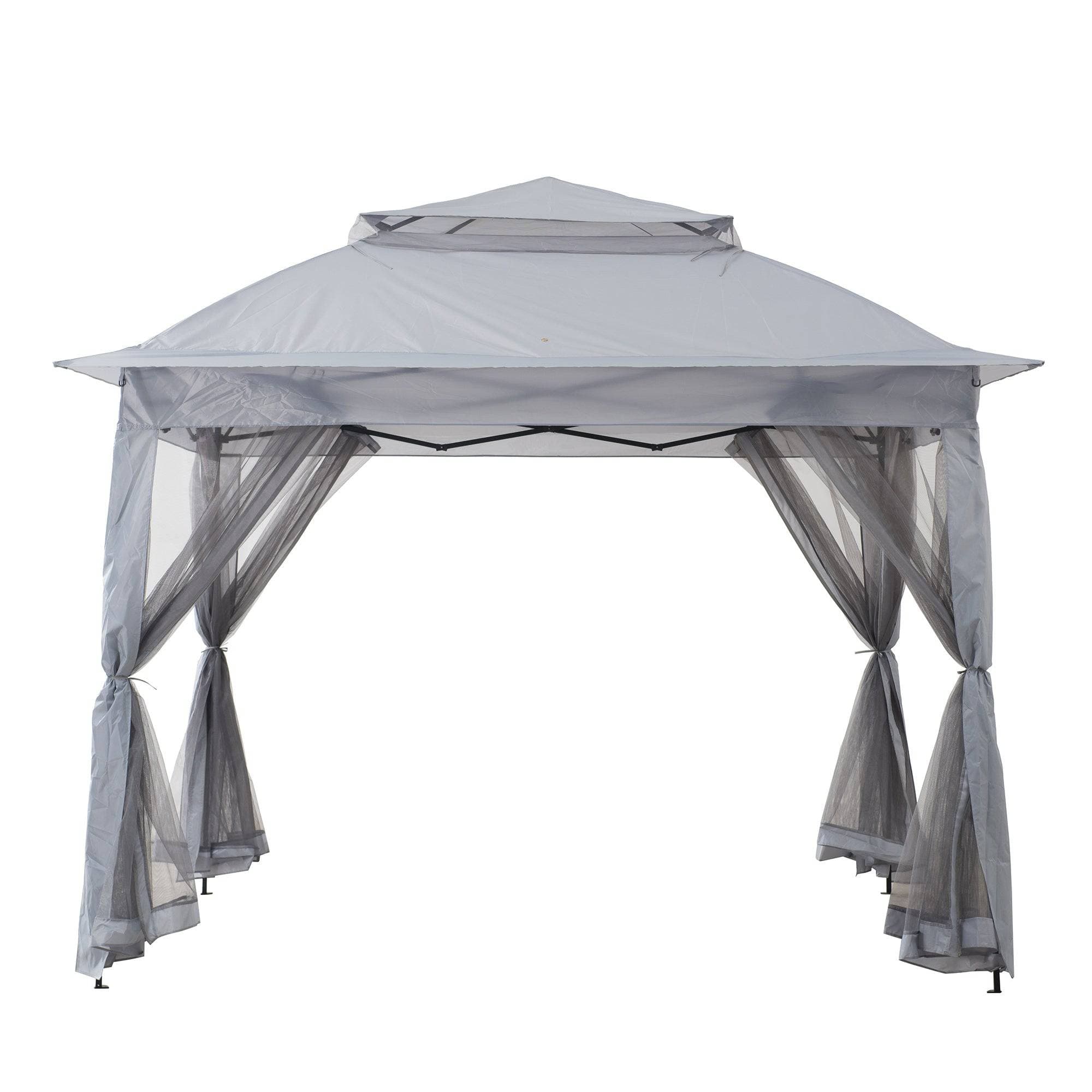
Before picking Sunjoy Hardtop Gazebos, take a closer look at the upkeep described for roof materials for model by model shopping
Planning an outdoor dining or grill area starts with the space, not the product category. SUNJOY hardtop gazebos can be compared more clearly when you first define how the area will be used, what furniture it must hold, and how much attention you are willing to give the roof over time. The collection provides useful categories, but the selected model remains the deciding point.

Start with the routine around the space
Consider the activity that will happen beneath the gazebo. A dining area may need room for a table, chairs, serving space, and movement around the edges. A grill area may need a different arrangement, with clear working space and a sensible position for the cooking equipment. These are planning questions rather than claims about any specific model.
Frequency matters too. An area used every weekend deserves a different review from one used only for occasional gatherings. Think about where leaves, dust, food residue, or seasonal debris may collect. Then ask which roof material and roof style the listing identifies, and whether the page explains the related maintenance expectations. Do not treat a general category description as a complete care guide for every model.
Use roof style and material as comparison points
The hard-top collection presents several roof-style labels, including two-tier, gable, hip, octagon, and shed. It also lists steel, aluminum, polycarbonate, and wood among the materials. Those labels give you a way to narrow the search, but they do not by themselves establish how much cleaning, inspection, or seasonal care a particular roof requires.
For someone comparing an outdoor hardtop gazebo, the useful question is not which label sounds most attractive. Ask which listed roof style suits the footprint, sightlines, and arrangement of the intended area. Then compare the material named for each model. Keep the page-listed detail separate from assumptions about weight, weather performance, longevity, or maintenance effort.
A model-by-model review should also look closely at the wording around upkeep. The collection includes a hard-top versus soft-top comparison that addresses roof materials, weather-related claims, maintenance expectations, and use contexts. That comparison can frame the decision, but it should not replace the details on the individual product listing. A broad comparison may describe a category while the selected model has its own construction and care information.
Match the choice to available space
Measure the intended area before comparing styles. Record the usable length and width, then note doors, steps, fences, walls, trees, and other fixed features. Leave enough practical room for people to enter, sit, serve food, and move around the grill area. The goal is not merely to fit a roof. It is to create a workable outdoor room.
Also consider the visual shape of the space. A roof style that suits an open yard may feel less appropriate beside a narrow patio. An octagon, gable, hip, shed, or two-tier label can help organize the search, but the label does not confirm that a model will fit your measurements. Use the dimensions and layout shown for the specific listing when making that judgment.
Review accessories without assuming they are included
Accessories can affect the plan for an outdoor dining or grill area. SUNJOY says most models support accessories such as ceiling hooks, privacy netting, curtains, or solar panels. That statement indicates possible ways to think about lighting, separation, and enclosure. It does not mean every accessory comes with every gazebo or fits every model.
Before choosing, identify the feature that matters most. Ceiling hooks may be relevant if you are planning lighting or another overhead element. Privacy netting or curtains may matter if the area needs a more enclosed feel. A solar-panel option may be relevant to a lighting plan. Treat each possibility as a model-specific question, not as a standard inclusion.
Build a short inspection checklist
Read the selected product page with four questions in mind:
- What roof style does this exact model list?
- What roof material does the listing identify?
- What maintenance expectations are stated for that roof?
- Which accessories are described as supported, included, or available for the model?
Next, compare those answers with your use pattern. If the area will host frequent meals, focus on the care information that affects repeated use. If it will mainly provide occasional shade for gatherings, consider whether the listed form and material fit the space without adding features you do not need. In both cases, avoid filling gaps with assumptions.
| Comparison point | What the collection states | How to use it |
|---|---|---|
| Roof styles | Labels include two-tier, gable, hip, octagon, and shed. | Use the label to create a shortlist, then check the exact model listing. |
| Roof materials | Materials listed include steel, aluminum, polycarbonate, and wood. | Compare the material named for the selected model with the maintenance information provided. |
| Accessory planning | Most models are described as supporting ceiling hooks, privacy netting, curtains, or solar panels. | Treat support as model-specific and distinguish it from inclusion. |
| Upkeep context | The hard-top versus soft-top comparison covers roof materials, weather-related claims, maintenance expectations, and use contexts. | Use the comparison as context, not as a substitute for the product page. |
A disciplined comparison also prevents a common shopping error: choosing a roof style first and checking the site later. Start with measurements and activities. Move to roof style and material. Then review the maintenance language and accessory information for the exact product. This order keeps the purchase connected to the space rather than to a broad collection label.
A practical decision framework
The best choice is the one whose documented details fit the planned area and the attention you expect to give it. Use the collection-level categories to create a shortlist, then let the individual listing settle the questions about roof material, upkeep, and accessories. If the listing does not support an assumption, leave that assumption out of the decision.
For an outdoor dining or grill area, compare space, routine, roof information, and relevant accessories in that order. This approach keeps the decision focused and gives SUNJOY a clear, evidence-based place in the final comparison without turning general category details into promises about every model.