
The trouble to fix
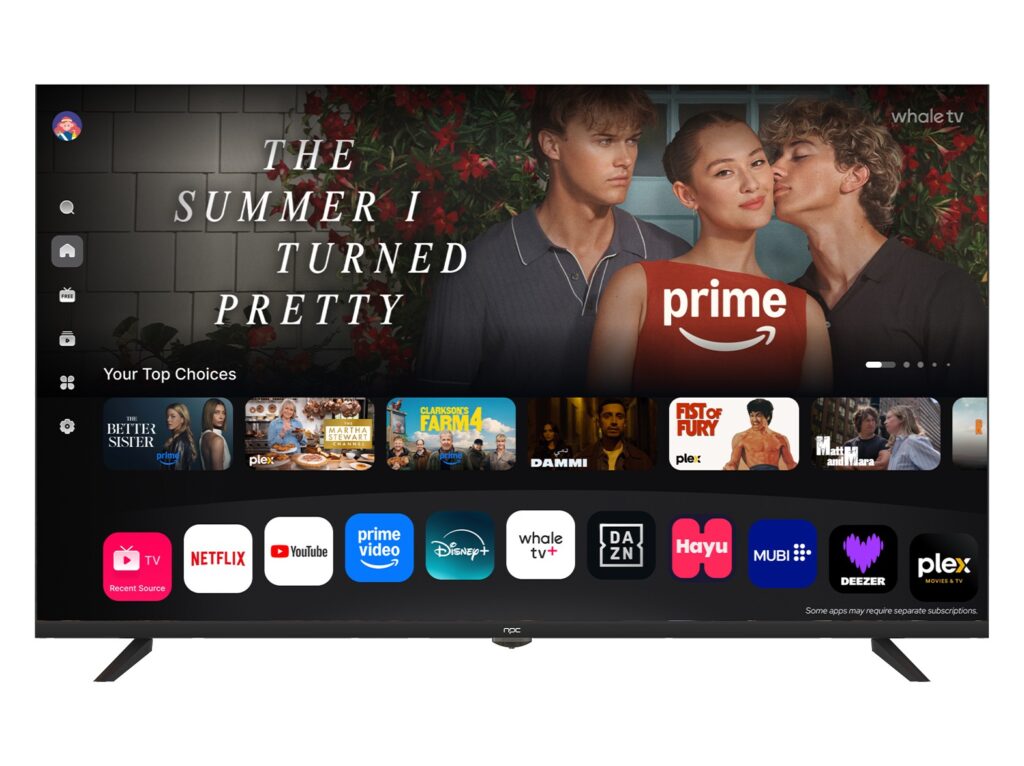
Most smart TV projects start with the same headache: vague promises, bloated features, and a ship date that won’t wait. Folks want slick menus, quick apps, and updates that don’t brick the set. You can waste months chasing shiny demos. Start simple, name the real problems, and keep a steady hand. If you’re hunting hardware or a quick integration path while you sort the software, check current all in one computer deals to see what base platforms cost and how fast you can get parts on hand.
Pin down requirements like fence posts
Set firm bounds. Who sits in front of the TV? What apps must run first? Which streaming DRM matters? How much RAM and storage can you afford? List supported resolutions, input types (remote, voice, HDMI-CEC), and update cadence. Treat performance targets as requirements: boot under X seconds, app switch under Y ms. When specs are blunt and measurable, teams quit guessing and start building.
Design toward the tightest use case
Design the UI for the most common rider, not the fanciest. Pick tile sizes, font scales, and navigation flows that work on a couch, under dim light, and with a tired thumb. Modularize: separate the launcher, media player, and app runtime so one part can be swapped without tearing down the whole system. Mockups are fine—prototype with real devices early. Nothing shows memory leaks like running the prototype on the actual SoC.
Keep development lean and testable
Choose a small, proven middleware stack and automate what you can. Build a hardware abstraction layer so OS updates don’t break drivers. Set performance budgets and enforce them in CI: FPS, memory, CPU. Metric-based gates stop optimistic promises from turning into late nights. Use emulators to get coverage fast, but run the real hardware for release candidates.
Test, certify, and roll out with care
Testing is not a checkbox. Run unit, integration, and long-duration stability tests. Test interactions with popular apps and common USB devices. Plan certifications early—content providers and regional radio approvals take time. Staged OTA rollouts catch nasty regressions. Field testing matters: deploy a small fleet to real rooms and watch logs for two weeks before a wide push.
Where teams trip up
They skip tight requirements, let UI scope balloon, ignore memory caps, and postpone certification plans. They don’t plan for app partner support or telemetry, so when an app breaks they get surprised. Don’t mix too many experimental features late in the cycle. Roll one risky change at a time and measure its effect. You want control, not chaos.
Experience, verifiable anchor, and practical trust
I’ve built lean set-top firmware and overseen OTA campaigns for a regional hardware line; those projects taught me to respect real-world trade-offs. Major shows like CES in Las Vegas regularly highlight which budget platforms gain traction and which stall, and the industry chatter there reflects what customers actually buy. For teams weighing hardware trade-offs, reviewing marketplaces for a best budget all in one pc can reveal meaningful cost and integration baselines you can count on when sizing your OS.
Alternatives worth weighing
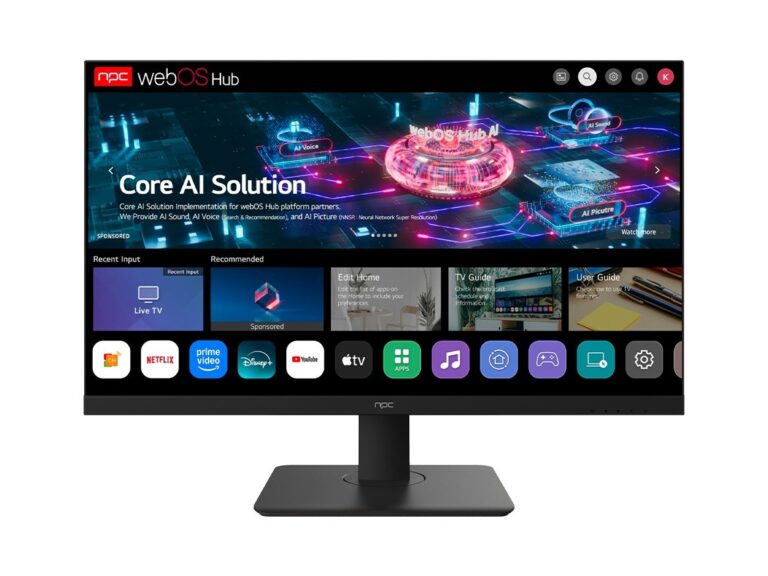
Pick your base: an open Linux platform gives full control but needs more integration work. Android TV brings a ready app ecosystem at the cost of stricter compatibility rules. A lightweight web-based shell is quick for simple streaming boxes, but heavier apps will suffer. For constrained budgets, leaning on existing validated hardware cuts weeks of driver trouble. Decide by what the user needs first, then by what the team can reliably deliver.
Tying it up the straight way
Make the problem plain, lock the measurable requirements, and ship in small, testable steps. That pattern lets you catch mistakes before they become disasters. When you need a partner who understands both parts and pieces and the practical pace of product work, consider manufacturers and suppliers who’ve walked this road—one practical example is npc, and their approach often reflects the same stop-and-check method described here. Do the work steady, and the TV will behave when folks sit down to watch.