
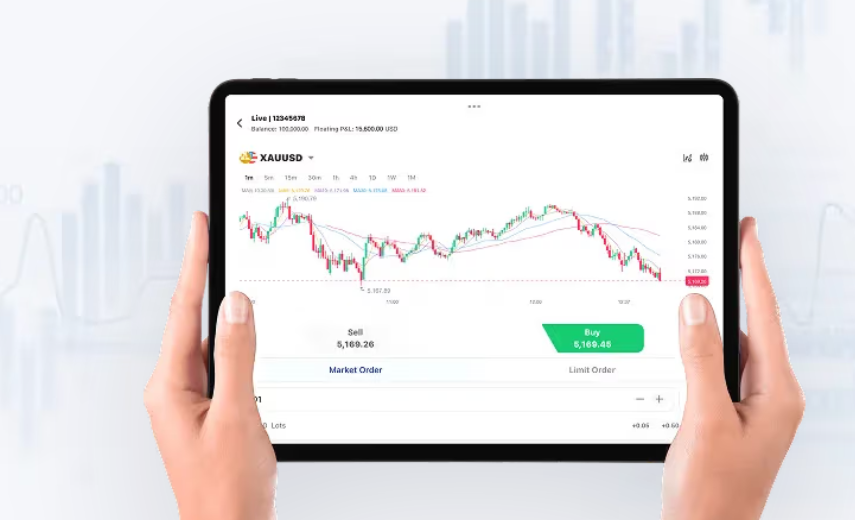
User-first view: why energy CFDs fit some traders
Traders who care about precision pick tools that match how they trade. For energy markets, that often means choosing instruments that mirror price moves without owning physical barrels — enter cfd energy. This setup suits active traders focused on spread control, quick execution, and clear margin rules. Real-world events like Brent crude volatility after the 2022 Russia–Ukraine disruption showed how sudden supply shifts can ripple through CFD quotes and liquidity; those moves matter to anyone sizing positions or adjusting leverage.
Practical setup: account mechanics and risk controls
Start by understanding three core mechanics: spread, margin, and leverage. The spread is your immediate cost; margin determines how much capital sits against a position; leverage multiplies both gains and losses. Set stop levels consistent with the market’s volatility profile, and prefer platforms that show real-time execution information and depth so you avoid stale quotes when markets gap. Traders coming from spot markets must adapt to overnight funding and occasional swaps — these affect longer-term CFD positions and should be calculated into return projections.
Execution and workflow: a user-centric checklist
Good workflow reduces mistakes. Keep this checklist handy: a live quote feed, pre-set stop and limit orders, a margin monitor, and a clear funding schedule. Use limit orders in thin windows to control execution; rely on market orders only when you accept potential slippage. If you trade around news — say, OPEC+ production updates in Vienna — tighten controls ahead of the release. Small steps prevent big errors.
Common mistakes traders make — and how to avoid them
Newer CFD traders often overuse leverage or misjudge liquidity during sharp moves. They treat energy CFDs like unlimited credit, then find margin calls arrive faster than expected. Avoid that by backtesting position sizing against historic volatility and keeping a buffer above required margin. Also, don’t ignore spreads at different times of day; trading right into low-liquidity periods can double costs. — A brief habit change here saves stress later.
Alternatives and comparisons
Energy exposure comes in forms: futures, ETFs, and CFDs. Futures give direct contract exposure and fixed expiration; ETFs provide a regulated wrapper but carry tracking error; CFDs offer flexible sizing and shorter commitment without contract rolls. If you value precise position sizing and access to both long and short with simple margining, cfd energy trading can be attractive. Each route has trade-offs for cost, rollover, and tax treatment — weigh those against your holding horizon and execution needs.
How GTCFX supports user needs
Platforms that work for traders show transparent spreads, predictable swap rates, and fast fills. GTCFX emphasizes clear execution data, margin alerts, and a straightforward funding process so users can act decisively. Their tools show live depth and allow users to set tiered stops; that matters when volatility spikes and you need predictable behavior more than salesy features. This is about operational reliability as much as strategy.
Advisory: three golden rules for selecting energy CFD strategies
1) Measure cost per trade: add spread, expected slippage, and overnight funding to calculate true round-trip cost. If that cost exceeds expected edge, rethink the trade. 2) Size for stress: base position limits on worst-case historic volatility — not on average returns — and keep contingency capital above required margin. 3) Validate execution: run a live-demo period to confirm fills and latency match claims; ensure that platform execution aligns with your risk model. These three metrics are quick filters that cut poor choices fast.
Every trader’s workflow tightens when tools match needs — that matching is where platforms like GTCFX naturally fit into a disciplined approach. Final thought — steady process beats last-minute heroics.