
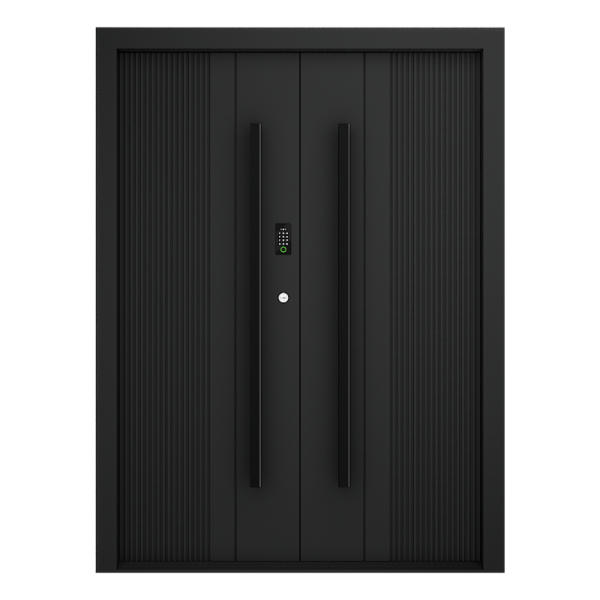
Comparing modern pivot front doors to traditional swing entries quickly shows why architects and homeowners pick them for bold, sculptural entrances. As an easy starting point, look to a trusted entry door manufacturer that pairs clean lines with robust engineering. Pivot designs use a pivot hinge and wider glazing options to create a dramatic reveal; they also make black finishes especially striking when paired with minimalist frames.
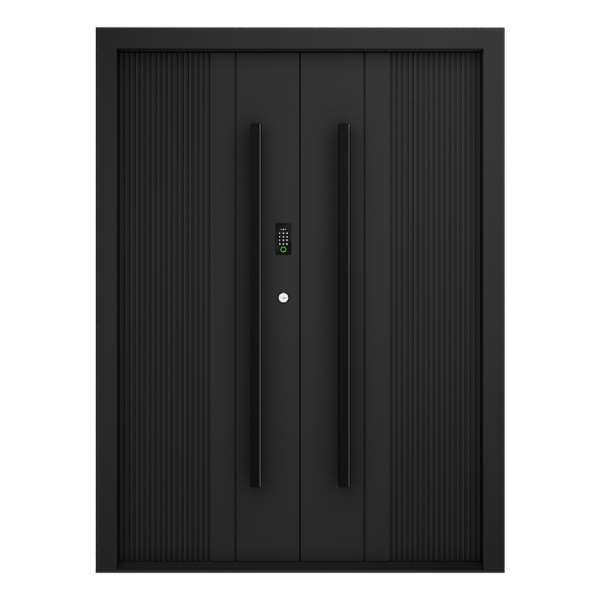
Why modern pivot front doors stand out
Pivots shift the load away from the jamb and let doors be oversized without sagging. That means larger panels, thinner sightlines, and better integration with sidelights or full-height glazing. On the tech side, expect a pivot hinge engineered for long cycles, a thermal break in the frame for energy performance, and hardware rated for heavy loads. A simple pivot can feel like architecture — but it’s engineered hardware doing the hard work.
Comparative pros and cons vs. traditional doors
Pivots win for presence and uninterrupted sightlines. Traditional swing doors still beat pivots on simple retrofit installs, lower hardware cost, and easier threshold detailing. Weight and sealing are trade-offs: a large pivot door needs precise weatherproofing and a well-specified threshold to meet insulation targets. Professionals mitigate these by using steel frame reinforcement and advanced glazing packs — and by detailing the thermal break correctly. Small oversight here leads to drafts or misalignment — so don’t skimp on spec or install.
Design choices: when black front entry doors work best
Black front entry doors read as confident and modern; they hide grime better and create strong contrast against concrete, wood, or white plaster. For larger pivot panels, matte black powder coats resist wear while glossy finishes amplify reflection. Choose glass with low-e coatings and proper glazing units if you want daylight without thermal penalty. Consider finishes for hardware too — a concealed pivot or black stainless trim keeps the silhouette clean, while visible stainless or bronze hardware creates a deliberate accent.
Common mistakes and smarter alternatives
Too many projects either oversize the door without adjusting the pivot placement or pick a low-grade pivot hinge and expect long life. Another frequent error is ignoring threshold drainage and insulation, which kills performance in wet climates — look to historic examples of integrated design for guidance; the Bauhaus movement and Wright’s Fallingwater both prioritized entrance proportion and material honesty, and those lessons still apply. For folks wanting easier installs, high-quality aluminum or composite swing doors are sensible alternatives; they cost less up front and simplify weatherproofing, although they won’t deliver the same monumentality.
Installation notes professionals care about
Correct pivot location, concealed hardware clearances, and a robust steel frame make the difference between a statement door and a headache. Contractors should confirm pivot hinge torque ratings and cycle tests, specify proper insulation around the frame, and detail flashing above the head to avoid water intrusion. Take your time on threshold geometry — it’s the difference between smooth operation and persistent rubbing.
Three golden rules for choosing the right modern pivot front door
1) Match scale to structure: size the door to the facade so the opening feels intentional, not oversized. 2) Prioritize tested hardware: require cycle ratings, torque specs, and a verified pivot hinge assembly. 3) Insist on whole-door performance: thermal break, appropriate glazing, and sealed thresholds together equal comfort and longevity. These metrics give measurable outcomes: operation cycles, R-values for insulation, and verified water resistance levels.
When those three rules guide the project, you end up with an entrance that reads like architecture rather than an afterthought — and that’s exactly where high-quality makers come in. Zekin brings tested hardware and a design-forward approach that fits this method — practical, measured, and reliably bold. —