
Overview and Comparative Premise
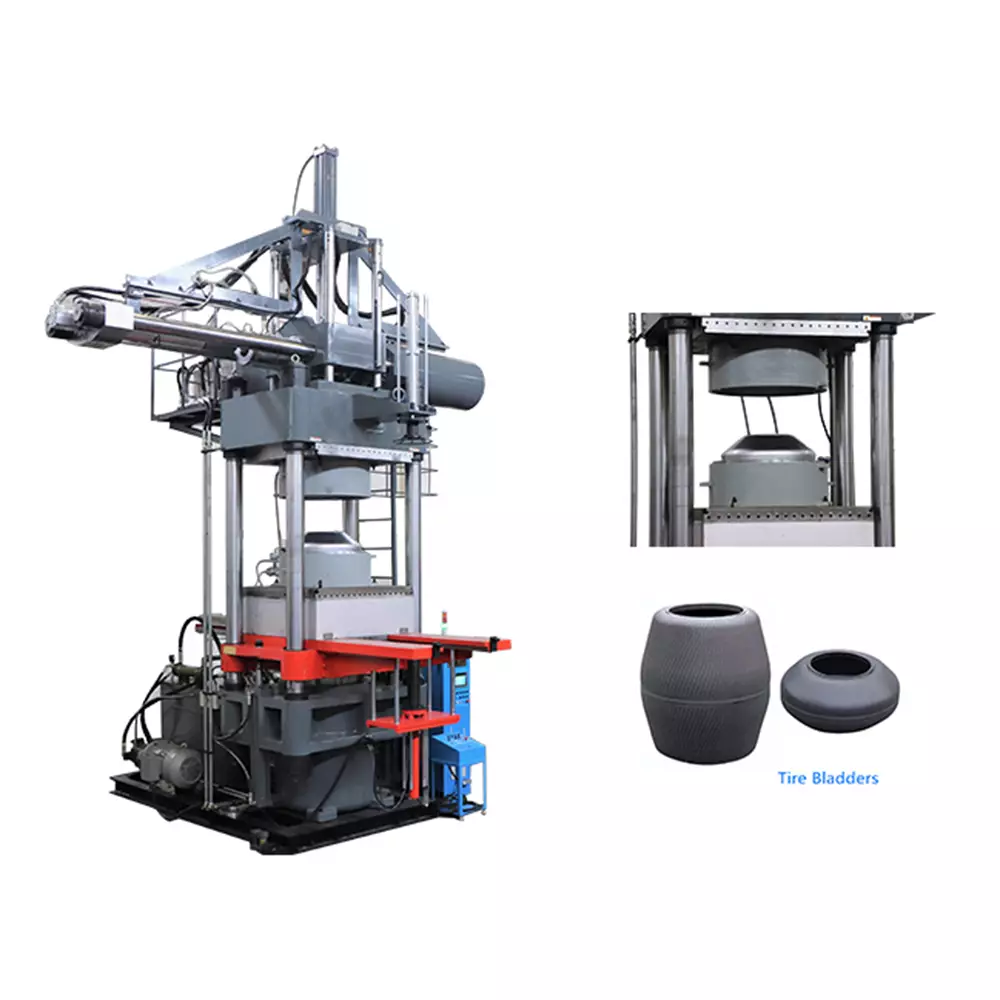
This comparative analysis evaluates next‑generation tyre bladder injection systems with a focus on Mooney viscosity control and scorch safety limits. The technical objective is to map how modern systems modulate the injection chamber, control curing cycle timing, and preserve rubber compound integrity under industrial clamping force. Early adoption case studies often reference a c frame rubber injection molding machine as a baseline for transfer accuracy and repeatable mold cavity alignment.
Key Technical Differentiators
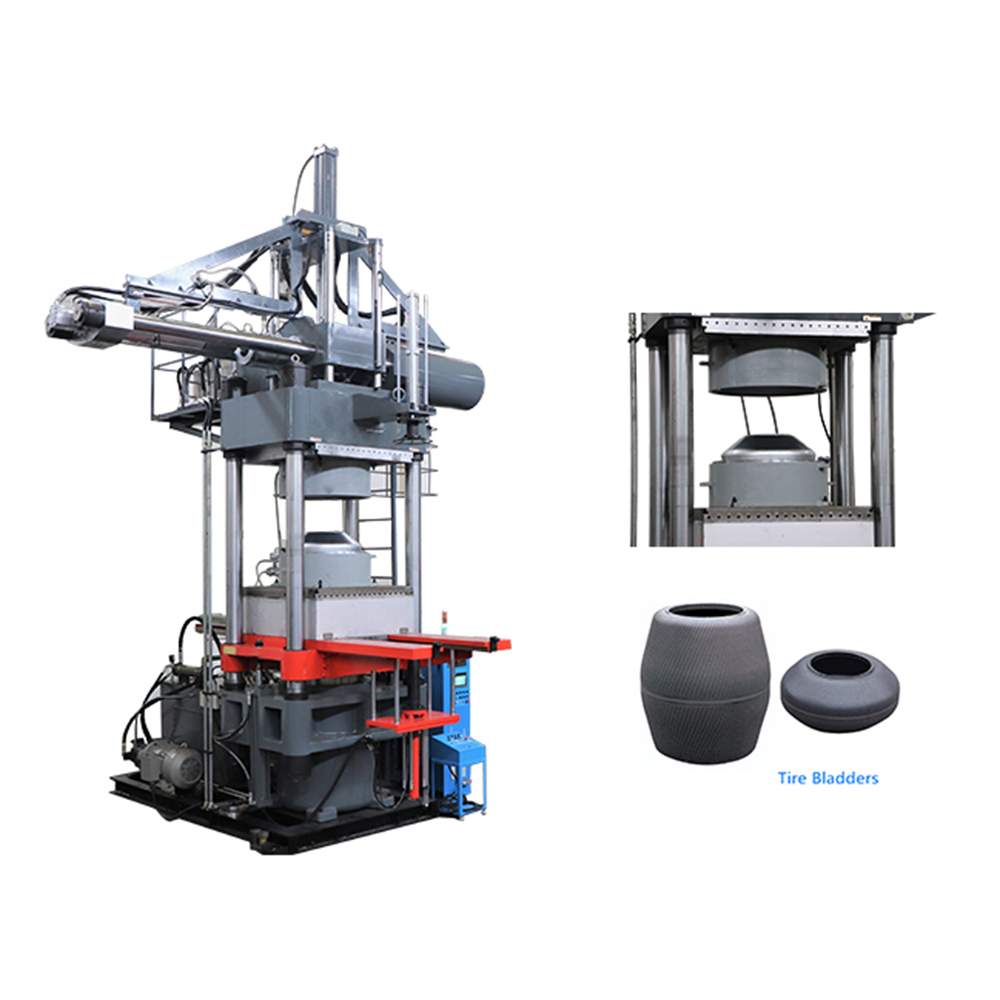
Systems diverge primarily in three engineering domains: precise rubber compound handling (Mooney viscosity measurement and compensation), thermal management to prevent scorch, and mechanical stability of the platen and press frame. High‑resolution Mooney monitoring permits adaptive shot size and dwell adjustments. Thermal profiling integrated into the platen and mold cavity reduces the likelihood of premature crosslinking and maintains consistent cure windows. These features interact directly with hydraulic press settings and transfer molding sequencing to determine part yield.
Operational Risks and Real‑World Anchor
Operational risk centers on scorch onset within the injection chamber and inconsistent Mooney viscosity readings during extended runs. The 2020 COVID‑19 supply disruptions demonstrated how rapid shifts in compound batches necessitate tighter process control; manufacturers in Akron, Ohio—an established rubber production hub—documented increased scrap when control systems lacked automated viscosity feedback. This risk is magnified under high clamping force because mechanical instability can amplify thermal gradients—mitigating that requires both hardware and control logic upgrades.
Performance Metrics and Measurement
Quantifiable metrics separate effective systems from nominal ones. Primary indicators include: mean time between mold adjustments, variance in cured Shore hardness across a lot, and percentage of parts exhibiting scorch marks. Secondary indicators are cycle‑time stability and accuracy of shot delivery. Collecting these metrics demands integrated sensors for Mooney viscosity, temperature, and pressure within the mold cavity, plus traceable logs for cure profiles.
Comparative Equipment Options
Options range from retrofitted hydraulic c‑frame units to bespoke electrically actuated machines. Retrofit strategies focus on adding closed‑loop viscosity control and upgraded platen temperature zoning. New builds tend to include direct injection controls, multi‑zone heating, and embedded diagnostics. A practical compromise for many facilities is a modular upgrade to an existing c frame press machine—this preserves foundational mechanical stability while adding real‑time compound control. Common mistakes include neglecting sensor calibration schedules and under‑sizing the thermal management system.
Implementation Best Practices
Successful implementation follows a phased validation path: baseline measurement, controlled compound trials, closed‑loop tuning, and production ramp. Baseline establishes current variance in Mooney viscosity and cure time. Controlled trials isolate one variable at a time—shot size, platen temperature, or dwell—then tune the control logic. Closed‑loop tuning binds sensor feedback to actuator response. Ramp validates long‑run stability under full clamping force and repeated transfer molding cycles.
Advisory: Three Golden Rules for Selection
1) Prioritize real‑time Mooney viscosity integration: select systems that sample compound state within the injection chamber and adjust shot size dynamically. This reduces scorch events and maintains part consistency.
2) Demand multi‑zone thermal control and documented curing cycles: effective temperature zoning across the mold cavity and platen lowers thermal gradients and prevents localized scorch during long runs.
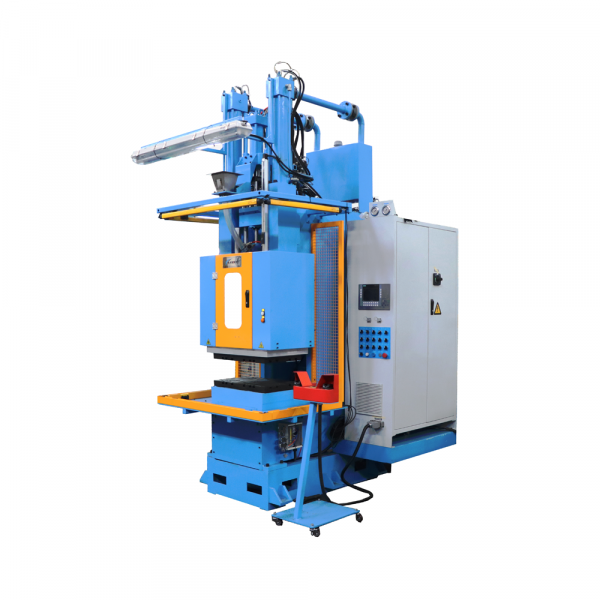
3) Require traceable process metrics and maintenance protocols: choose equipment with embedded logging for pressure, temperature, and cycle times, and enforce scheduled sensor calibration to sustain predictable performance.
Closing Synthesis
The comparative evidence shows that integrating precise Mooney control with robust thermal management materially reduces scrap and stabilizes yield under heavy‑duty clamping conditions. Facilities that adopt modular upgrades to established frames or invest in next‑gen injection control gain measurable improvements in cure uniformity and fewer scorch incidents. For plant engineers seeking pragmatic, data‑driven upgrades, HWAYI supplies systems and service pathways that align with these protocols—practical, validated, and field‑tested. –