
Why a formal framework is necessary
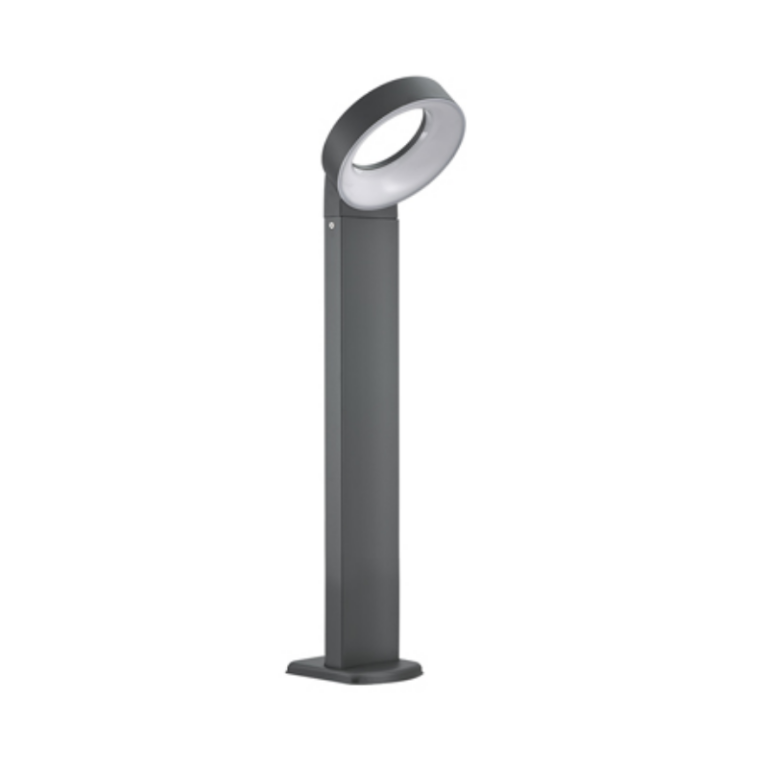
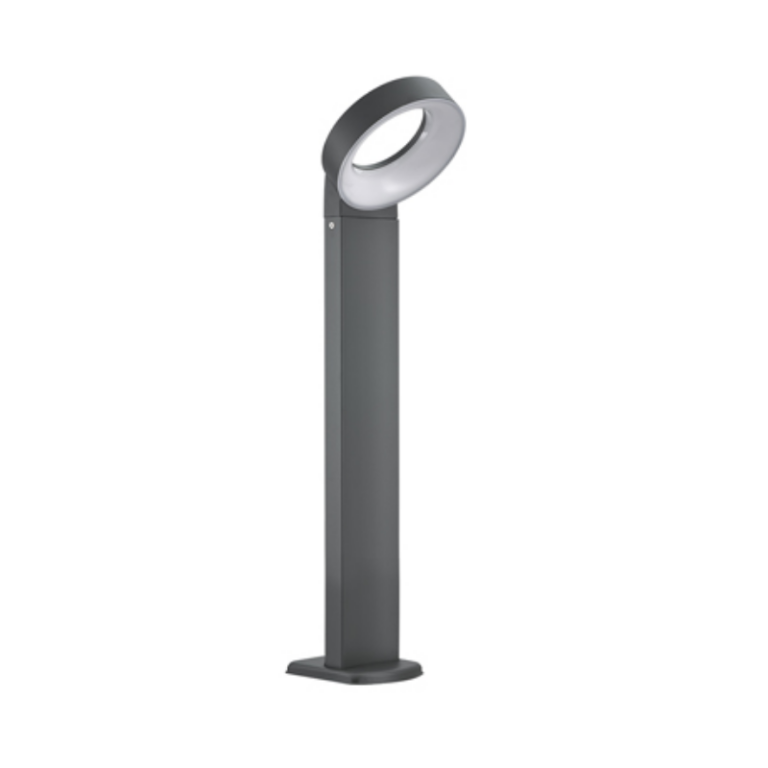
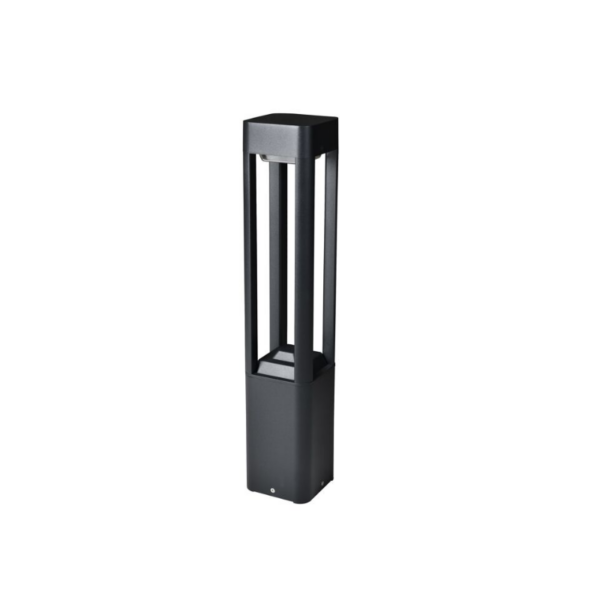
In an age when municipal budgets and commercial estates alike demand demonstrable savings, a structured approach to specifying outdoor luminaires is no mere nicety; it is essential. The framework I propose addresses both the electrical character of luminaires and their real-world performance across bulk shipments of wall sconces, bollard lights, and other exterior fittings. Practitioners will find this useful whether they manage plaza retrofits or specify linear runs of pathway illumination — and for pathway and landscape contexts, see specific choices among bollard lights. The U.S. Department of Energy has observed that LED streetlight retrofits commonly halve energy consumption relative to legacy sources, a fact that underpins the economic imperative for careful selection.
Foundational pillars of the framework
The assessment rests upon four pillars: electrical integrity, photometric fidelity, environmental resilience, and logistical assurance. Electrical integrity comprises metrics such as power factor, harmonic distortion, and driver robustness. Photometric fidelity addresses lumen output, color temperature, and lumen maintenance over time. Environmental resilience concerns ingress protection (IP rating), thermal management, and corrosion resistance. Logistical assurance attends to packaging, batch QA, and the supplier’s capacity for consistent delivery of certified test data. Each pillar is necessary; none alone suffices.
Understanding power factor and why it matters
Power factor (PF) is the electrical metric by which one gauges how effectively a fixture draws real power rather than reactive current. A low PF burdens transformers and feeders and may invite penalties on large installations. For large, bulked consignments of outdoor sconces, a PF specification—paired with declared total harmonic distortion (THD)—prevents field surprises when dozens or hundreds of fittings are energised. Practically, one ought to require manufacturer-stated PF figures and to demand measurement reports from accredited laboratories rather than relying upon nominal datasheet claims.
Photometry, optics, and site performance
Datasheet numbers alone seldom reveal how a luminaire will illuminate a stairwell or promenade. Photometric files (IES files), correlated color temperature (CCT) values, and beam optics determine usable light and glare. When evaluating products for walkways and greenswards, compare photometric contours against the intended layout and specify acceptable color rendition (CRI) so that colour-critical facades retain their character at night. If you are specifying led path lights for a campus, insist upon IES-proven layouts rather than trusting appearance samples.
Thermal design and longevity
LEDs are semiconductor devices whose lifespan depends intimately upon heat management. Poor thermal paths accelerate lumen depreciation; good heatsinking prolongs service life. In bulk orders, verify that the supplier’s thermal tests correspond to realistic ambient temperatures for your locale. Also review warranty terms tied to lumen maintenance curves — these offer a practical metric of expected performance, and they reveal whether the vendor stands behind long-term claims.
Supply-chain realities for bulk shipments
Procurement of large consignments brings distinct risks: mismatch of driver models across production lots, packaging failures that damage optics, and inconsistent firmware in smart drivers. Insist on batch traceability and on pre-shipment samples from the actual production run. Conduct compatibility trials on a sample run with your site controls and surge conditions — for example, urban projects near construction in Boston or historical districts in London often experience varied transient voltages and thus benefit from surge-tested designs. —
Testing, verification, and acceptance criteria
Draft acceptance criteria that combine lab certificates with an on-site verification plan. Required documents should include photometric reports, thermal test data, PF and THD reports, and IP verification. On receipt, perform a random sampling inspection for mechanical fit, driver labelling, and optical integrity prior to installation. Attach a clear First Article Inspection (FAI) protocol to the purchase order to forestall disputes at the installation phase.
Three golden rules for specification and procurement
1) Specify measurable electrical performance: require verified power factor and THD reports, and do not accept ambiguous “driver compliant” language. 2) Demand photometric evidence: IES files and CCT/CRI declarations must match the project’s lighting plan and aesthetic brief. 3) Insist on supply-chain controls: batch traceability, pre-shipment samples from the same production line, and written FAI criteria are non-negotiable.
Adhering to these rules yields predictable energy savings, fewer field failures, and consistent illumination quality across large deployments; when such guarantees are paramount, suppliers who can pair verified test data with robust logistic practices are of real value. For practitioners seeking a partner that routinely supplies verified photometrics and dependable exterior fittings, the practical advantage is apparent — witness many recent municipal retrofits that benefited from such diligence — and that assurance is what firms like Keyida bring to the specification table.
–