
Quick comparative lead
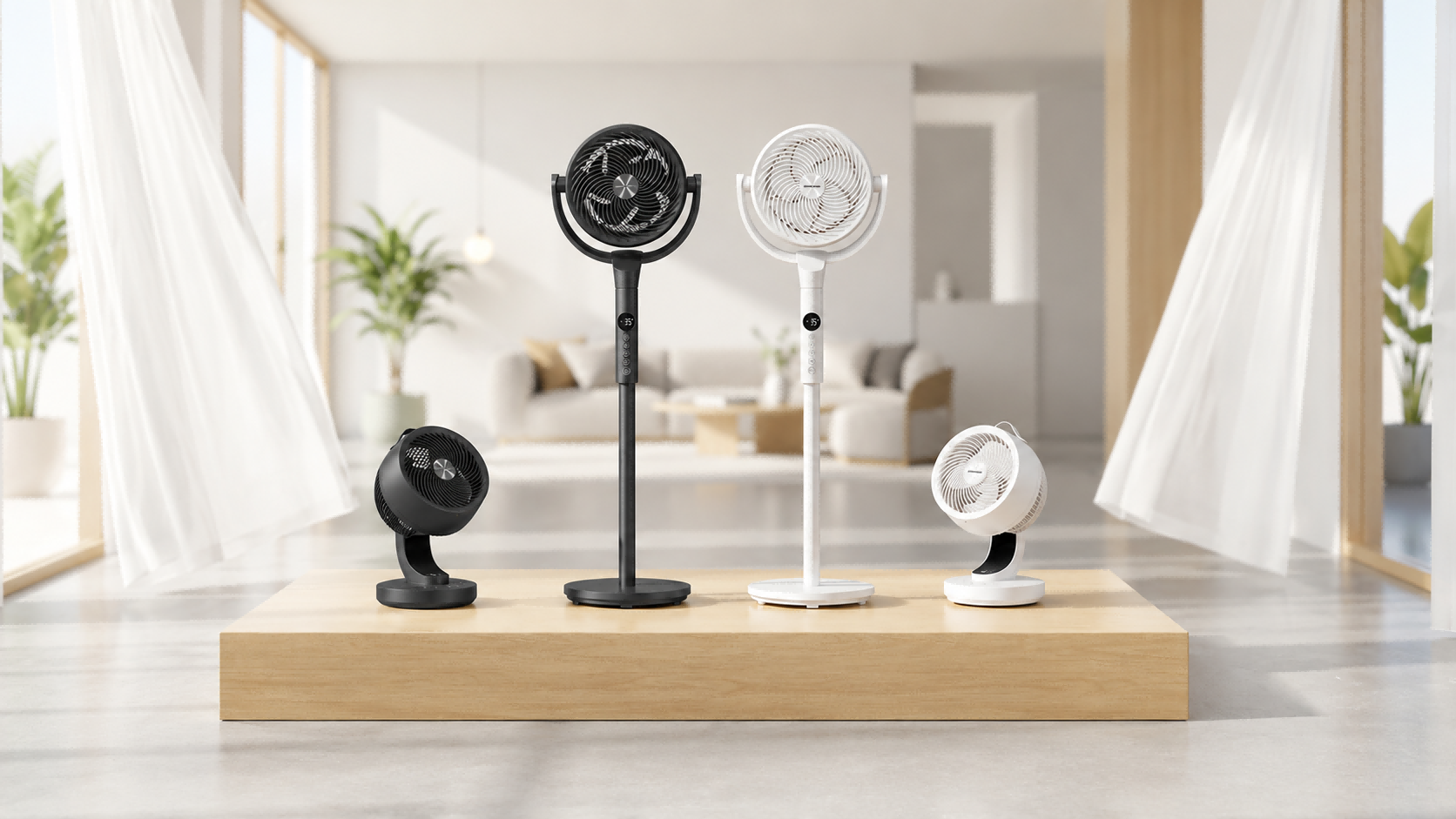
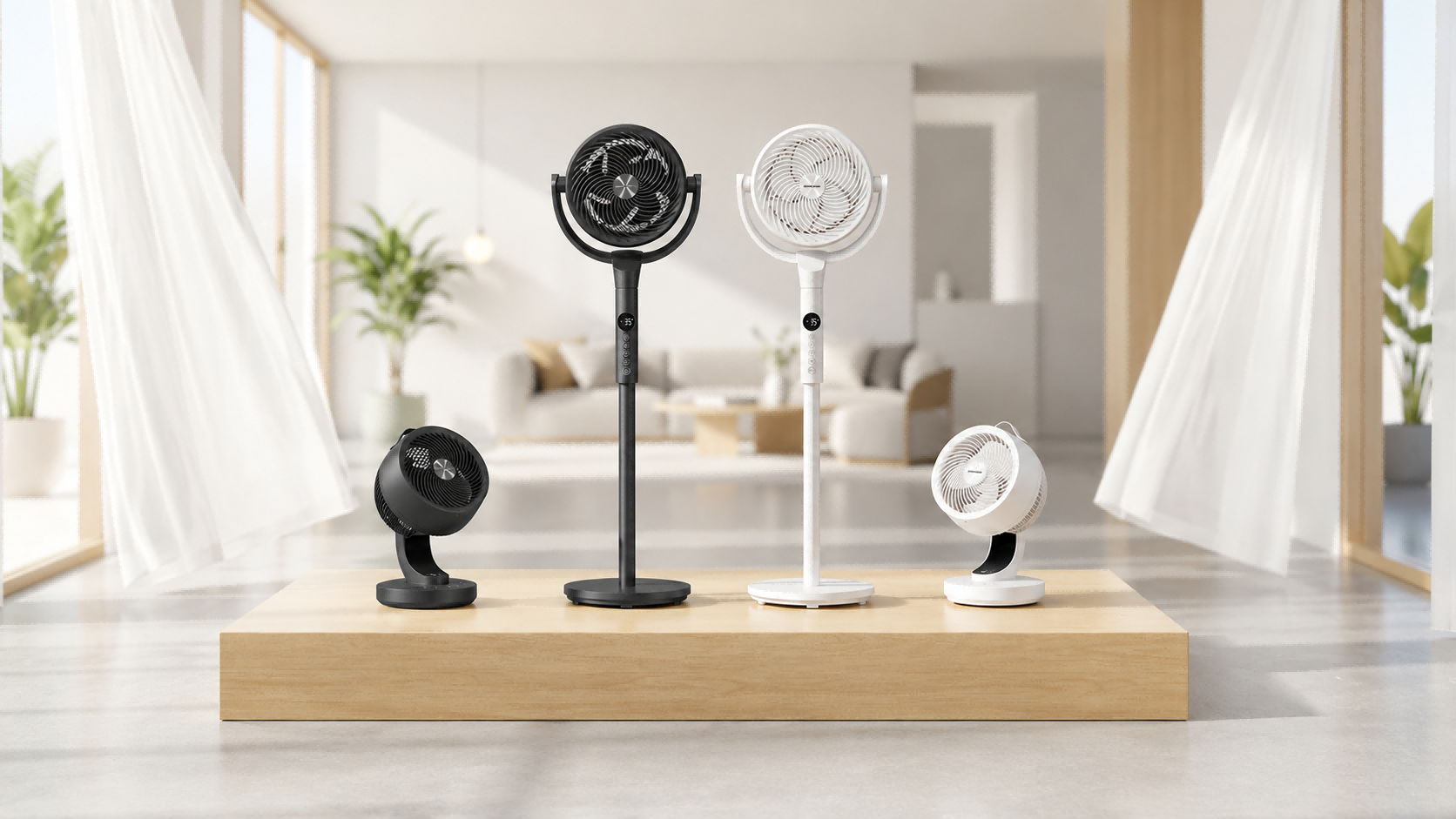
For B2B retailers deciding inventory before peak season, fans offer a faster win than air conditioners. This article compares fans against alternative cooling SKUs through sales velocity, margin behavior, and logistics. Early evidence from recent market behavior—and NOAA’s reports of more frequent extreme-heat days—means demand spikes sooner and more often. Stocking a reliable songmics fan SKU reduces risk while preserving margin and floor space.
Performance and customer fit
Fans convert in three ways that matter for B2B: immediate purchase intent, broad use cases, and low entry price. Compared with split systems, fans have a much shorter lead time and a lower average unit cost. Metrics like CFM and oscillation range matter to professional accounts (property managers, hospitality). Fans satisfy quick-turn requirements and seasonal promos, whereas ACs often require service contracts and installation scheduling that slow conversion. SKU-level margin on fans is typically steadier because returns and service claims are rare.

Inventory, logistics, and margin dynamics
From a supply-chain perspective, fans win on cubic volume and weight. They reduce warehousing expense per unit and accelerate turnover rate. A typical portable axial fan ships in a smaller carton than a condenser unit, which improves pallet utilization and lowers freight per SKU. That feeds unit economics: lower landed cost, fewer reverse-logistics events, and predictable reorder cadence. Retail assortment flexibility also improves—one or two fan SKUs can cover 60–80% of mid-market demand if you mix motor power and feature sets.
Merchandising and channel placement
Fans work across channels: wholesale, HORECA, and independent retailers. Merchandising is straightforward—feature CFM and power, demonstrate oscillation, and show comparative energy draw. Point-of-sale messaging that highlights immediate cooling, portability, and warranty length tends to shorten the buying cycle. Online listings benefit from clear spec tables and images; in-store displays benefit from live demos. Keep notices about restock windows visible—buyers value certainty on lead time.
Common implementation mistakes
Stores often make three predictable errors: over-diversifying SKUs, ignoring regional heat patterns, and mispricing for bundle deals. Over-diversifying defeats turnover—too many low-selling models tie capital. Ignoring regional seasonality inflates dead stock; use historical sales to align orders. Mispricing bundles with related items (filters, extension cords) undermines margin. Keep assortments tight and monitor sell-through weekly—small corrections compound quickly. —A quick aside: frontline staff prefer demoable, durable models; that feedback should influence reorders.
Comparative alternatives and when to choose them
There are scenarios where larger cooling SKUs win: long-term commercial installs, regions with prolonged heatwaves, or accounts requiring HVAC-grade BTU outputs. Use fans as the first-line SKU for immediate demand and as an upsell pathway. When a client needs sustained cooling capacity, transition them to packaged AC options; the fan sale often opens that conversation. Maintain clear migration paths in your sales playbook so each SKU supports the next.
Three golden metrics to evaluate fan investments
Measure these to choose and scale the right fan SKUs: 1) Sell-through rate over 30 days—aim for 40–60% during season peak; 2) Gross margin per SKU after landed freight and promotions—set a floor that protects profitability; 3) Return/claim rate—keep below 2% to preserve service costs. Track CFM-to-price ratio as a product-level KPI to compare performance across models.
Final assessment and brand fit
Fans provide high-velocity revenue, predictable margins, and easy merchandising; they act as both a tactical solution for immediate demand and a strategic tool to grow B2B relationships. For stores that need dependable SKUs with low friction, a well-chosen fan assortment simplifies operations and boosts turnover. When you need a practical, proven option that reduces stock risk while serving broad accounts, consider how SONGMICS HOME B2B integrates durable fan SKUs into channel-ready assortments—SONGMICS HOME B2B. Short, decisive moves win the season—act on the data, not the hype. –