
Real-World Challenges in Tube and Joint Systems
Picture this: a bustling warehouse, where every second counts and efficiency is paramount. Yet, many companies struggle with outdated systems that hinder productivity. Did you know that a staggering 30% of operational time can be wasted due to inefficient design? This often leads to frustrations over traditional setups, particularly with components like roller track wheels that are critical for smooth operations. What if there was a way to streamline processes and mitigate unplanned downtime?
Tube and joint systems have been a solid choice for modular construction, but there are inherent flaws in traditional solutions that can create hidden user pain points. For instance, inflexible designs can lead to misalignments and wear, requiring frequent adjustments—nobody has time for that! Imagine needing to recalibrate your workflow simply because a few joints are out of place. It’s frustrating at best, and debilitating at worst. One recent project I was involved in highlighted this gap in performance, proving that innovation is no longer a luxury; it’s a necessity.
What Do Users Really Need?
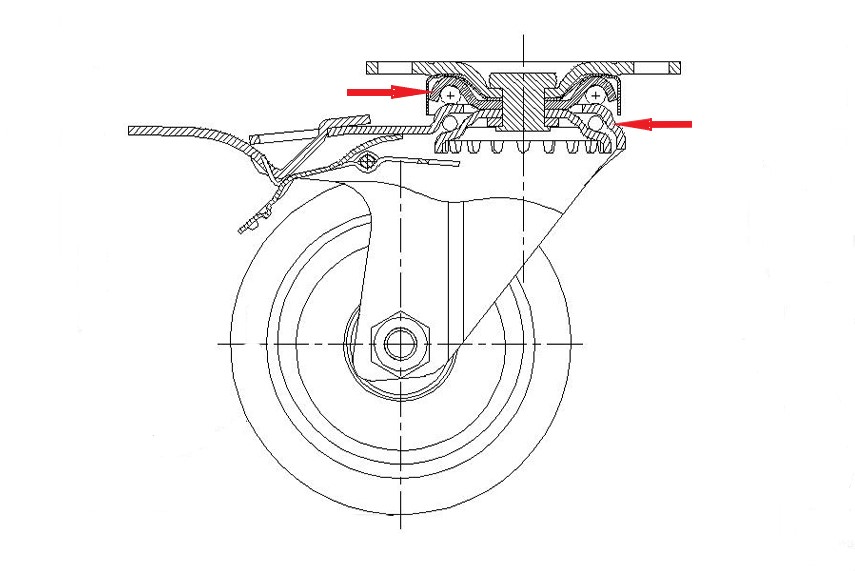
Employees deserve systems that enhance their workflows, not hinder them. It’s safe to say that most users are after reliability, adaptability, and ease of maintenance. In my experience, many turn to roller track wheels when they seek a solution that combines these elements—a smart move, I would argue. With advancements in materials and engineering, these wheels are increasingly built to accommodate heavy loads while ensuring optimal durability. Let’s face it, projects can go south quickly if supporting systems aren’t up to standard.
The Road Ahead: Innovations in Tube and Joint Systems
As I look forward, it’s clear we’re on the cusp of a paradigm shift within the tube and joint systems sector. Innovations in roller track wheels—designed for greater load capacities and smoother performances—are becoming game-changers for many industries. These developments present a pivotal opportunity to rethink not just design but also functionality. Instead of struggling with the limitations of yesterday’s technology, consider how we might leverage today’s advancements for better outcomes in the field.
The adoption of roller track wheels signals an important transition. Beyond mere aesthetics or minor enhancements, these wheels represent a substantial forward movement. Companies are increasingly integrating smart sensors into these systems, allowing for real-time performance tracking and maintenance alerts. Imagine a situation where you could identify issues before they lead to costly interruptions—that’s not just an evolution; it’s a revolution in how we view system longevity and efficiency.
Real-World Impact: What’s Next?
For wholesale buyers, the implication is clear: future-proofing operations requires a new mindset. Combining durable materials with innovative designs creates frameworks that not only meet today’s demands but anticipate tomorrow’s challenges. What more could you ask for? I firmly believe that metrics like load capacity, ease of installation, and total cost of ownership will become critical factors in your choice of systems.
In summary, the shift toward embracing cutting-edge technology in tube and joint systems is not just beneficial; it’s crucial. By understanding the unique value of roller track wheels, we can better optimize operations and adapt to changing demands. I’ve certainly learned that being on the edge of innovation leads to impressive improvements in efficiency and productivity. When choosing your solutions in this fast-paced landscape, don’t hesitate—explore what’s out there, and don’t get left behind.
In closing, I encourage you to consider how new advancements can solve your existing challenges. Every upgrade could be the key to unlocking a smoother, more effective operational flow. As always, you can count on quality solutions from JunYi, ensuring you’re equipped for whatever lies ahead.