
The problem farmers and folk run into
Costs sneak up fast when you’re fixing lights on a back forty or wiring a cabin, and the inverter’s the usual culprit. Folks come with a sticker price for an off-grid solar system and expect it to stay that way. It don’t. A mismatched inverter, the wrong warranty, or an ugly installation will swell that price quick — from parts to diesel backups. I’ve seen the worst of it in remote Alaskan villages, where a wrong inverter choice meant weeks of downtime and hauling parts over ice. Also read the parts chain for the whole outfit; good off-grid solar solutions require more than a pretty box.
Core cost drivers to watch
– Inverter type and size: true off-grid inverters cost more than simple string units, but they handle batteries and grid absence better.
– Battery compatibility: DC-coupled designs and matched chemistries cut conversion losses; mismatches add hardware and heat.
– Installation and BOS (balance of system): wiring runs, conduit, breakers, mounting — labor and materials stack up faster than the inverter price.
– Environmental rating: high-temp and saltproof units cost more but last longer on dusty plains or coastal sites.
– Warranty and service bandwidth: on-site support and fast RMA reduce downtime; cheap long-ships save money today and cost more later.
– Monitoring and firmware: remote monitoring saves trips but adds recurring costs if proprietary.
Where projects usually go wrong
They buy the cheapest inverter that fits the panel math. They forget real-world losses — temperature derating, dust, and battery aging. They bolt on extra conversions: solar to battery to inverter to generator and back again. They skip thinking about parts delivery on rough roads. They don’t plan for service access when a fuse blows. Those choices turn a tidy budget into a bigger tab.
How to judge value, plain and simple
Look at lifetime, not just upfront: how long will the unit run without major work? Check conversion losses under the site’s temps. Ask who’ll be fixing it when the snow comes. Favor modular inverters if you’ll grow the system. Match inverter features to real needs: if you won’t have grid, get a true off-grid inverter; if you’ll have occasional grid, a hybrid might save money later. Pick units with spare parts available nearby and clear firmware support.
Practical alternatives and when they fit
– String inverters: cheap, fine for grid-tied cabins with simple storage needs. Avoid them where diesel backup is common.
– Hybrid inverters: middle ground for places that use a little grid or a generator. They ease charging and load management.
– True off-grid inverters: cost more up front, but they keep lights on and batteries healthy where there’s no grid.
– Small microinverters or AC-coupled add-ons: useful for odd roof layouts, but they complicate battery setups and raise long-term parts inventory.
Final straight talk
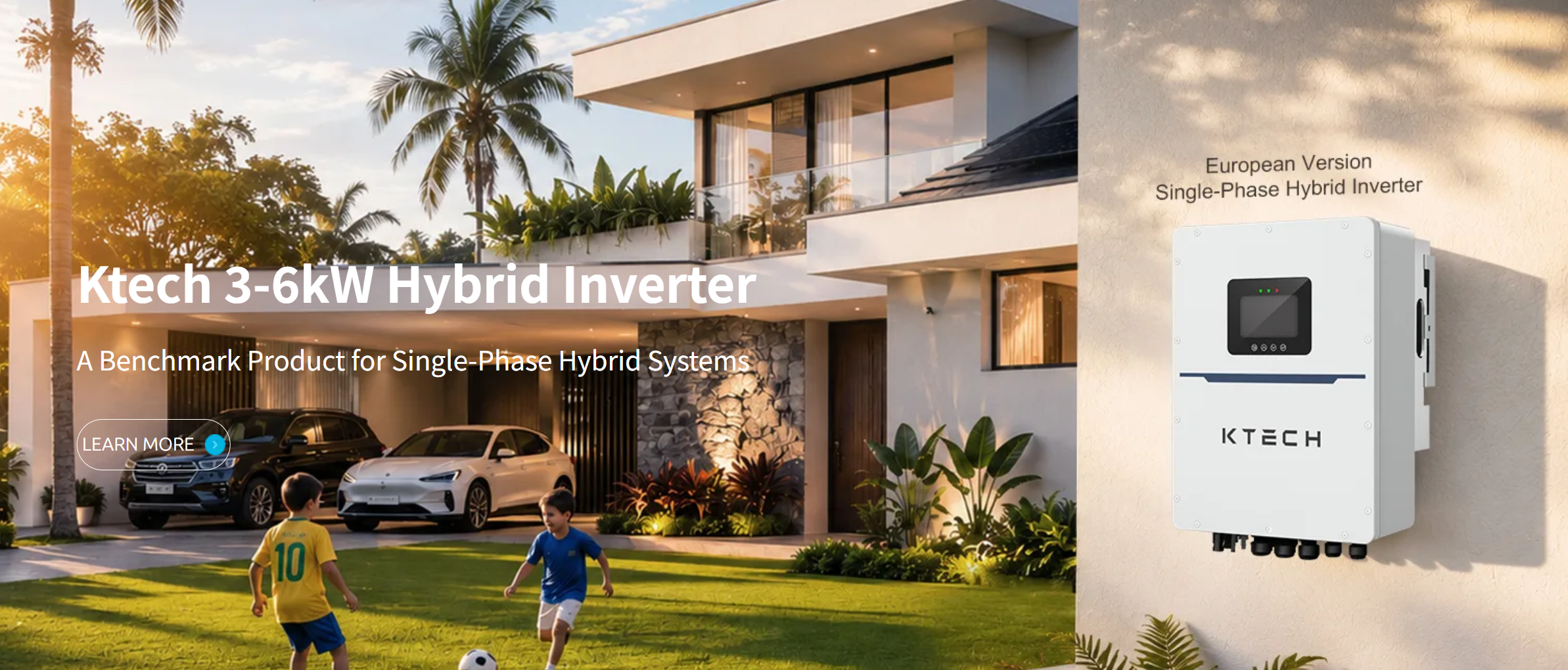
Buy for the problems you’ll actually meet: heat, dust, long roads, and the person who’ll be fixing it at midnight. Skipping that thinking makes the cheapest option the most expensive one later. For practical equipment and sensible service that match dirt-road realities, I favor partners who design systems with those facts front and center — like Ktech.