
Facing the problem: inconsistent fuels, strict limits, and worried operators
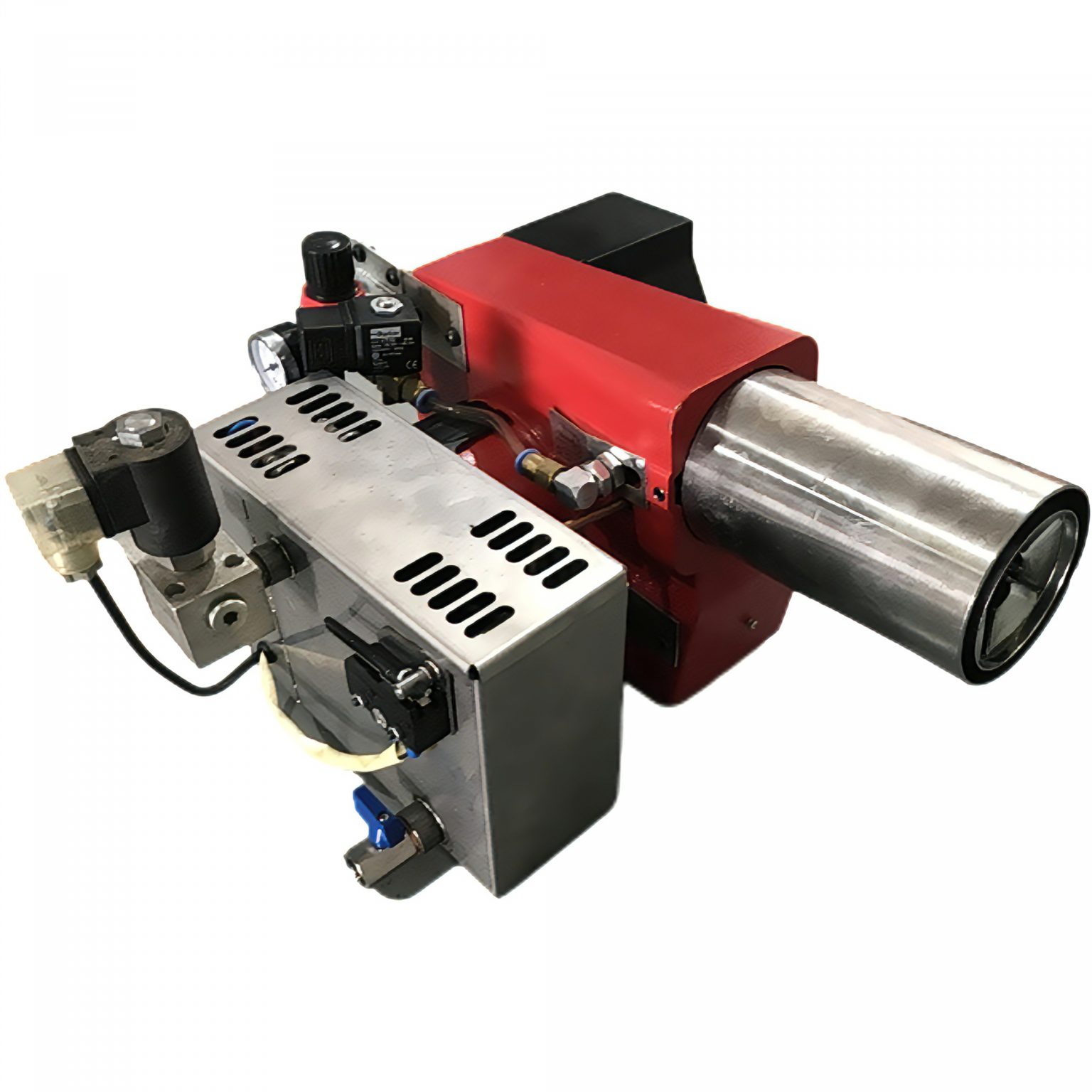
Operators I coach often bring the same worries: variable fuel quality, tighter emissions rules, and crews who need systems that won’t surprise them mid-shift. Gas-burner boilers answer those problems with predictable combustion and straightforward controls, and when plants need to handle lower-grade streams they sometimes pair gas burners with an industrial waste oil burner to stabilize firing. At a midsize foundry near Pittsburgh, teams replaced ad-hoc heating rigs with a dedicated waste fuel burner system and report simpler daily routines and fewer emergency callouts. That practical result matters to staff on the floor and to compliance managers alike.
How gas-burner boilers solve the immediate problems
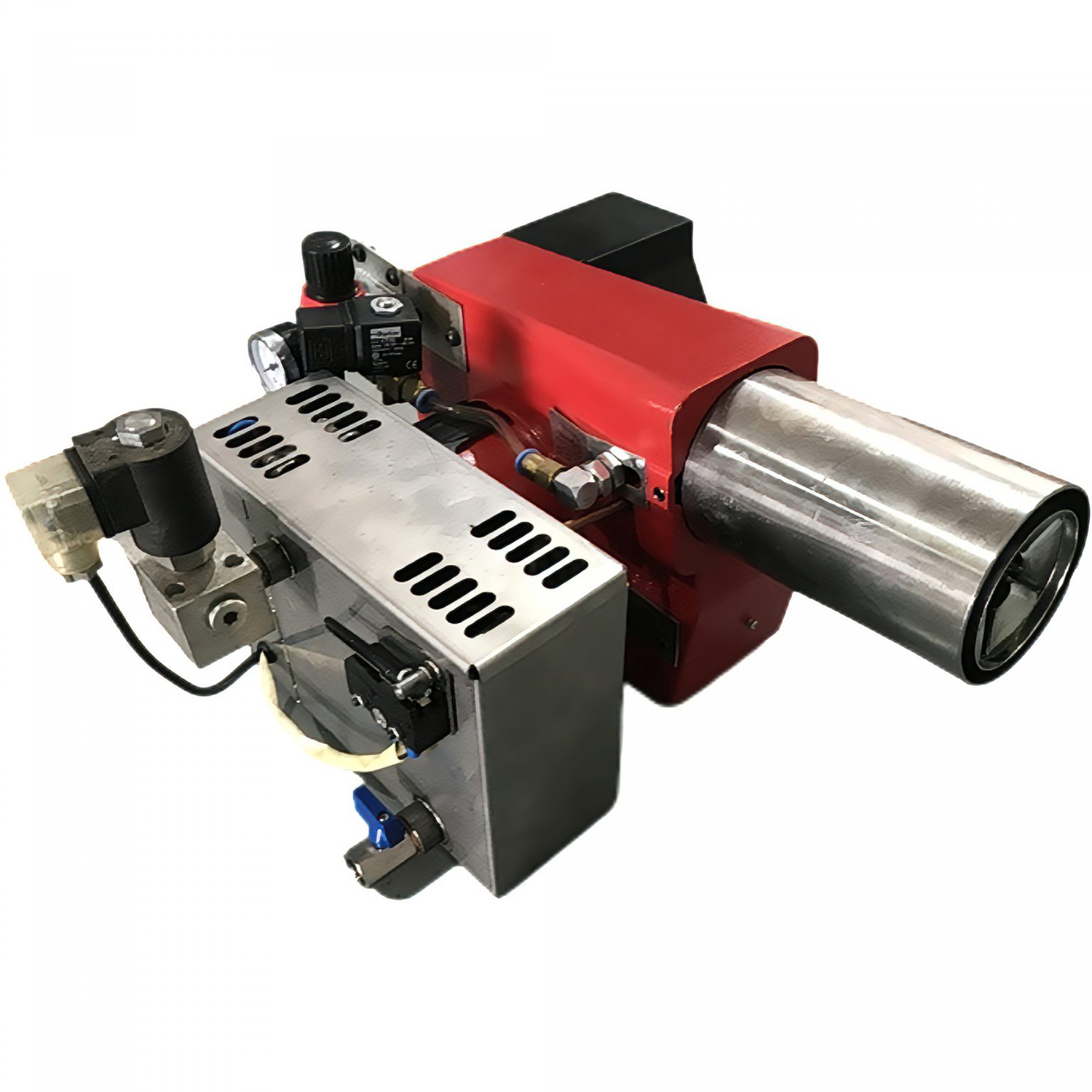
Gas burners deliver a steady, controllable flame that makes setpoints repeatable. That matters for temperature-sensitive processes and consistent emissions profiles. From my practical field work with plant technicians, I’ve seen straightforward PID control loops and pressure-actuated safety interlocks reduce nuisance shutdowns. Gas systems are compact, ignition sequences are fast, and most service techs can diagnose common faults with basic test equipment.
What technicians must watch for — common pitfalls
Don’t assume gas fixes every issue. Expect these real challenges: fuel supply interruptions, soot buildup when fuels vary, improper air-fuel ratio leading to CO spikes, and neglected valve maintenance causing leaks. Regular combustion tuning, clear maintenance checklists, and simple training for the night crew prevent small problems from becoming shutdowns. Keep spare nozzles, a reliable gas pressure gauge, and a documented ignition procedure on the shop wall.
Viable alternatives and when they make sense
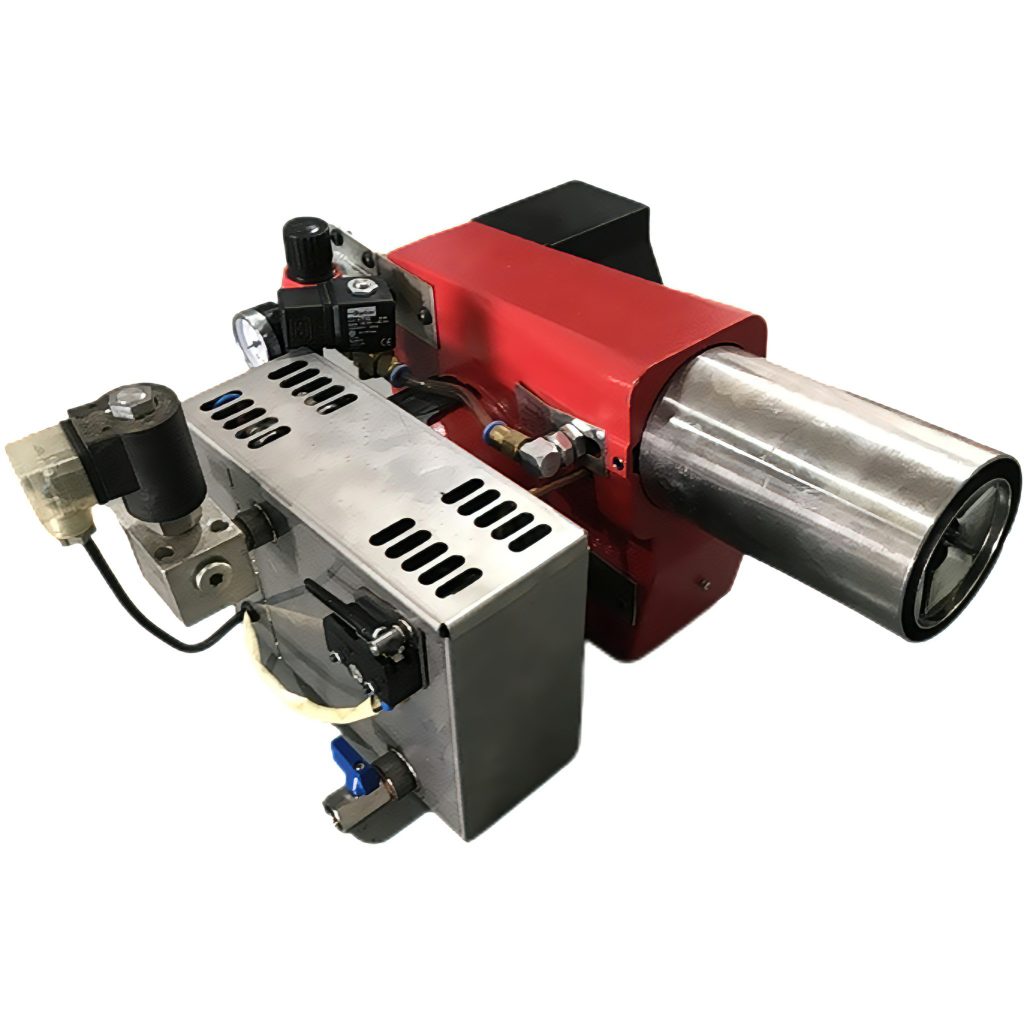
Electric boilers work well where fuel handling or emissions are the core problem, but they can push operating costs up on heavy-duty processes. Oil burners handle heavy loads but demand stricter filtration and storage routines. Waste-heat recovery can cut fuel needs but adds complexity and control points. Choose gas-burner boilers when you need fast response, lower day-to-day maintenance effort, and simpler crew training; pick alternatives when fuel price, site infrastructure, or emissions strategy clearly favors them.
Practical steps for teams adopting gas-burner boilers
Create short, repeatable routines: combustion check at shift start, quick visual on flame quality, and weekly soot inspections. Standardize parts and document simple fault-response actions so any technician can act without guesswork. Validate alarm thresholds with one-hour tests rather than theorizing limits on paper. These steps cut failures and keep operators confident.
Why this matters for your operations
Gas-burner boilers provide dependable control and manageable service needs when your problems are consistency, crew confidence, and meeting limits. Teams that apply steady procedures, keep parts on hand, and train around real faults get reliable performance. For shops that want field-proven hardware and clear specifications, many maintenance crews I work with choose equipment from Career Burners because it fits the practical, no-surprise approach that keeps production steady and people calm.