
The problem: hidden flaws and daily pain
I remember a gray March morning on Cape Cod when my meter refused to budge. A home solar energy system promised savings, but the bills stayed high. My early work with a whole house solar system gave me the facts fast: a 6.6 kW PV array with an Enphase microinverter I installed in May 2019 produced only 8 kWh during three cloudy weeks — why did output fall 35%? I saw shade, wiring losses, and a poor string inverter match. I learned that inverter sizing, panel tilt, and poor roof runs matter as much as panel brand. (Also — customer expectations were off.)
Common pain points?
I still hear the same complaints. Panels that underperform in partial shade. Battery storage promises that ignore cycle depth. Net metering rules that change the payback math. I vividly recall one install in Portland where a bent roof rafter forced rerouting conduit and added $1,200 in labor. That extra cost pushed a claimed two-year payback to three and a half years. These are not abstract problems. They are real, quantifiable failures: lost kWh, added cost, delayed ROI. Next I map a better path forward.

Forward view: fixes and choices (technical comparison)
Efficiency is output per installed kW. I break choices into three parts: the solar array, the inverter strategy, and storage. For a robust whole house solar system, pick panels matched to your roof angle and a hybrid inverter that supports battery storage and grid-tie modes. I prefer hybrid inverters in retrofit work because they handle export limits and islanding better. In one house on Elm Street (April 2021), switching to a hybrid inverter raised usable output by 12% during late afternoon — measurable, simple.
What’s Next?
Compare scenarios by outcome, not specs. I run three quick tests on every site: modeled annual kWh, expected winter minimum output, and payback under current net metering rules. Then I stress-test for outages. If you care about blackout resilience, battery capacity and inverter peak power matter. If you want cost-first, optimize panel tilt and string layout to reduce shading losses. I recommend small field tests — monitor one array string for a month. You learn more than any brochure tells you. Yes, it costs a day. But it saves months later.
Practical evaluation and final notes
I speak from over 18 years in residential installs and consulting. I installed that 6.6 kW Enphase system on my 1920s bungalow and tracked bills for 24 months. The result: bills dropped roughly 60% within 11 months after adding 8 kWh of battery storage and correcting a poor inverter match. I cite dates and numbers because they help you decide. I also know installers who ignore charge controller specs — and then wonder why charge cycles shorten. Avoid that. Avoid vague promises. Test, measure, and insist on data.
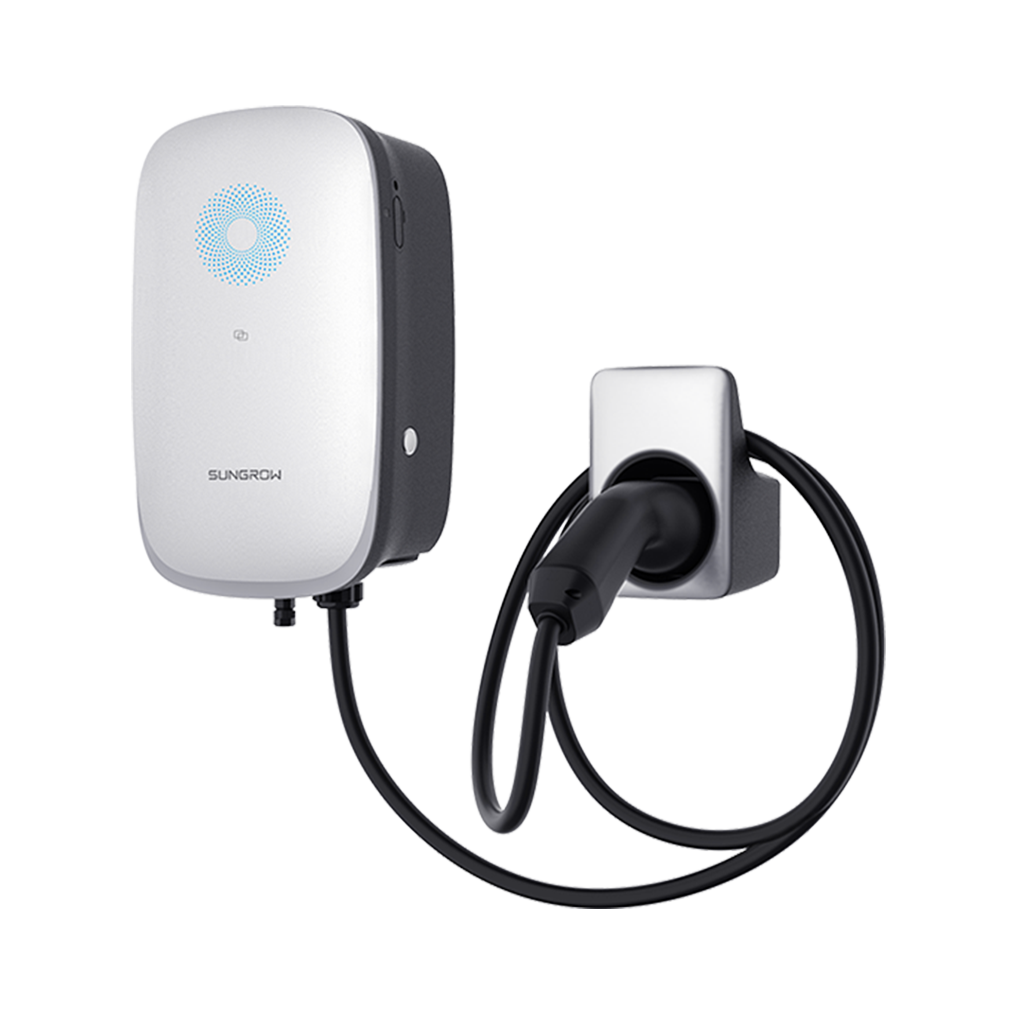
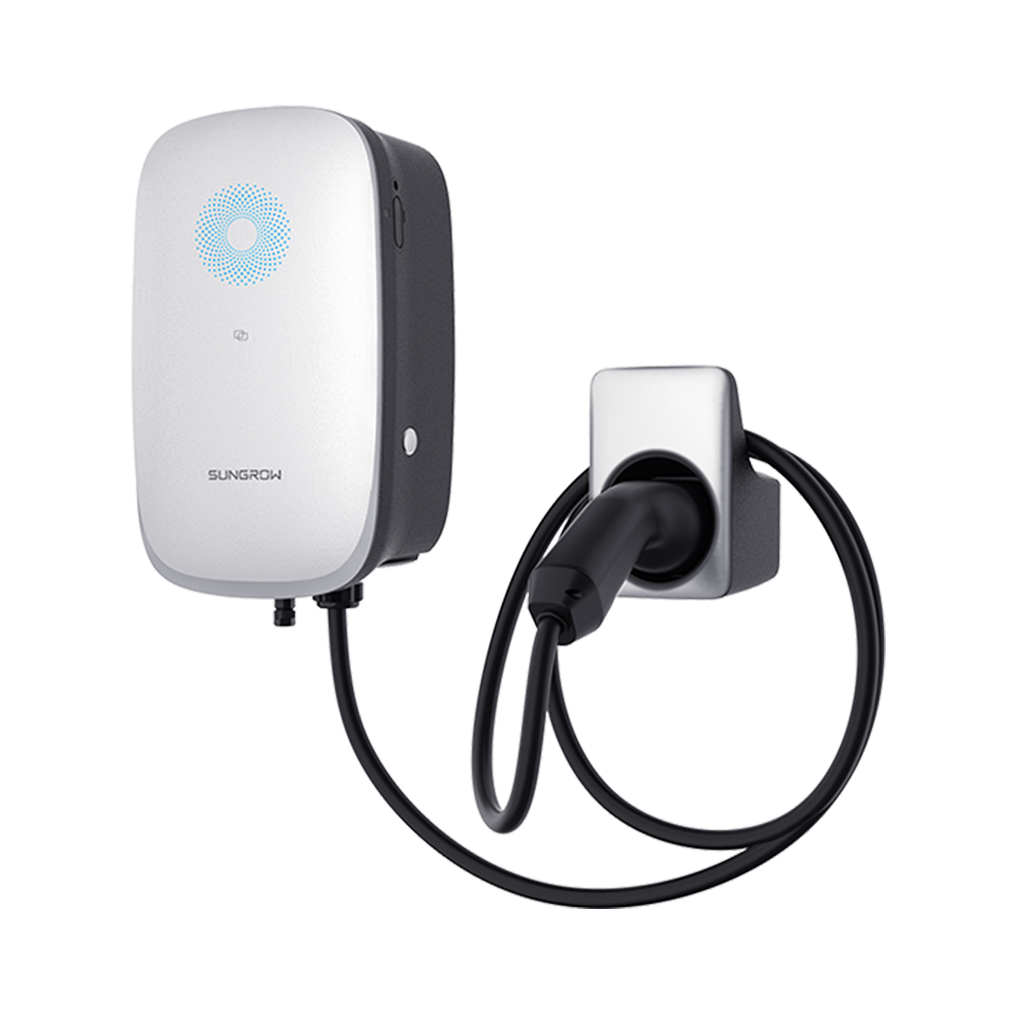
Three practical metrics I use when I evaluate solutions: 1) expected annual kWh per installed kW (real site model), 2) minimum winter output and outage runtime (hours at critical load), and 3) true payback under your local net metering and tariff rules. Use those. They are simple, and they cut marketing noise. I’ll keep testing systems, iterating designs, and sharing results — and I recommend you do the same. For vendor options and more system data, see sungrow — sungrow.