
When the Room Fights Back
I walked into a weekly update, and nobody could hear the person three chairs away. The conference room mic system should have helped, but it only added hiss and delay (yep, been there). Studies show audio issues waste 10–15% of meeting time, which adds up fast in busy teams. So here’s the question: if the tech is “modern,” why does it still feel broken?
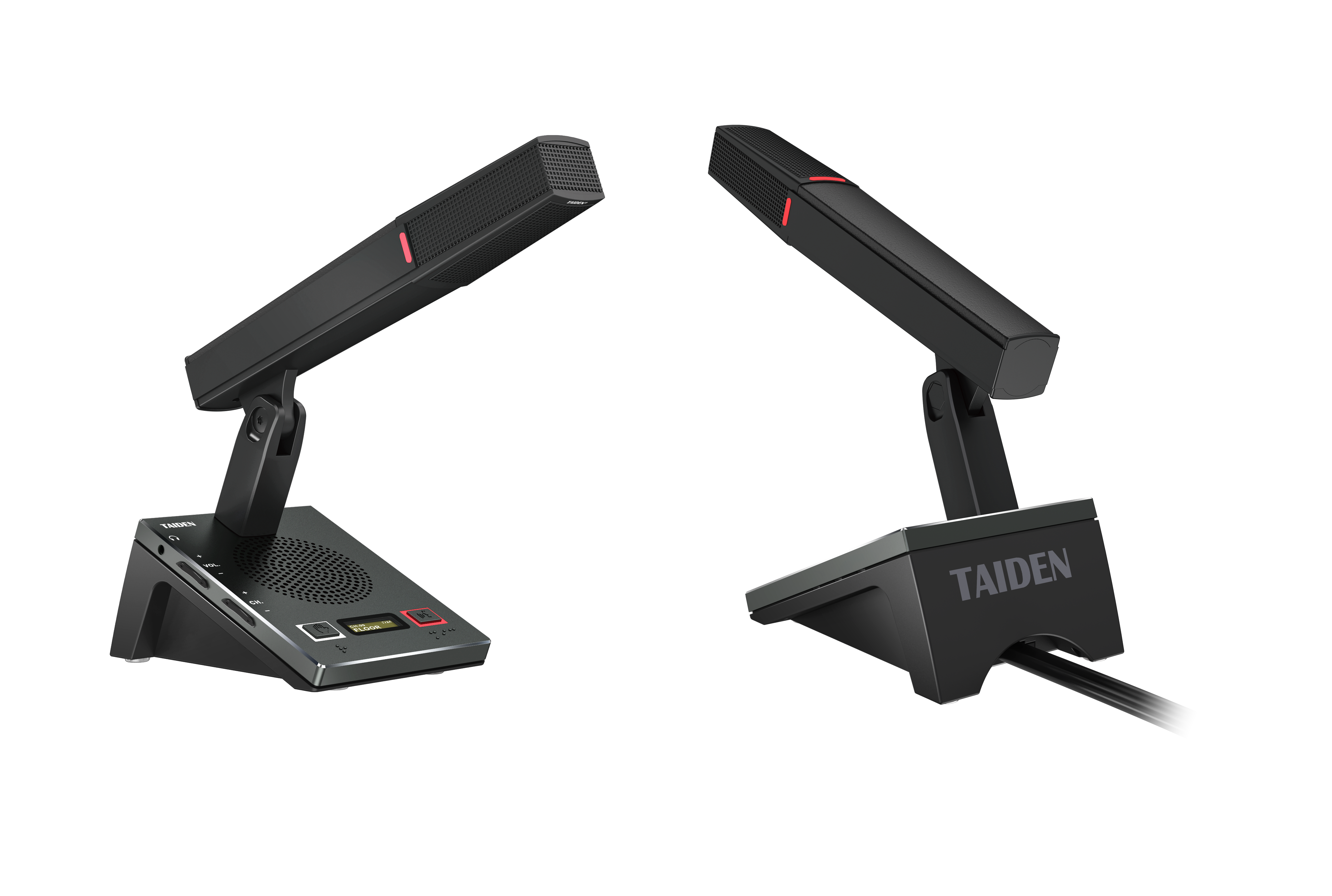
Even a trusted microphone manufacturer will tell you this: rooms are tricky, and sound is unforgiving. Hard walls bounce. People shift. Laptops buzz. And then there’s the quiet talker in the back, who is always the one with the key update — funny how that works, right? Your stack has to handle pickup pattern, noise floor, and echo, without adding lag. That’s the real test. Let’s unpack what keeps going wrong and what to compare next.
Where Old Fixes Fall Short
Why do legacy mics still crackle?
Let’s be direct and technical. Many setups still use fixed goosenecks or table mics with narrow pickup and no adaptive beamforming. That means speakers off-axis drop out. In rooms with glass and drywall, early reflections confuse echo cancellation. The DSP tries to chase the room and loses. Edge computing nodes are not placed close to the mic endpoints, so the latency budget gets crushed by network hops. And cheap power converters push noise into the chain, which rides on the signal like static.
Look, it’s simpler than you think. Old systems assume one speaker at a time. Real teams talk in overlaps. Without dynamic beamforming arrays, multi-mic gating, and solid AGC, the mix pumps and breathes. When firmware updates lag, QoS rules break, and the RF channel plan gets crowded, even a clean cable run won’t save you. The result: fatigue. People repeat, slow down, and avoid remote comments. It’s not user error. It’s a stack that can’t adapt to the room, the traffic, or the pace.
What Better Looks Like Next
What’s Next
Now let’s look forward, but keep it practical. New tech leans on smarter DSP and network-aware audio. Adaptive beamforming tracks talkers as they turn heads or lean back. Near-field pickup reduces spill, and AES67 transport keeps streams consistent across switches. When processing sits closer to endpoints—small edge computing nodes near the table—you shrink the latency budget and stabilize echo cancellation. Pair that with clean PoE power converters and you cut the noise at the source. A modern wireless conference system can also auto-manage RF, so channels don’t collide as people walk in with more devices.
Real-world outlook? Hybrid rooms need flexible roles and fast setup. Systems that auto-calibrate by measuring impulse response at start-up save minutes every time. They learn the room, not just the gear. Compared with legacy kits, you’ll notice steadier gain, fewer dropouts, and less user fiddling. We covered why old stacks stumble and how adaptive designs counter that—without magic. Next, keep choices simple and measurable. Advisory close: use three checks when you compare options. First, intelligibility: test word-score clarity at the edges of the room under cross-talk. Second, resilience: measure end-to-end latency and packet loss under busy network traffic. Third, manageability: verify role-based control, firmware cadence, and RF planning tools. Do that, and meetings feel lighter—and shorter.
For deeper insights and product paths, see TAIDEN.