

Quick take: durability beats flash for pro rigs
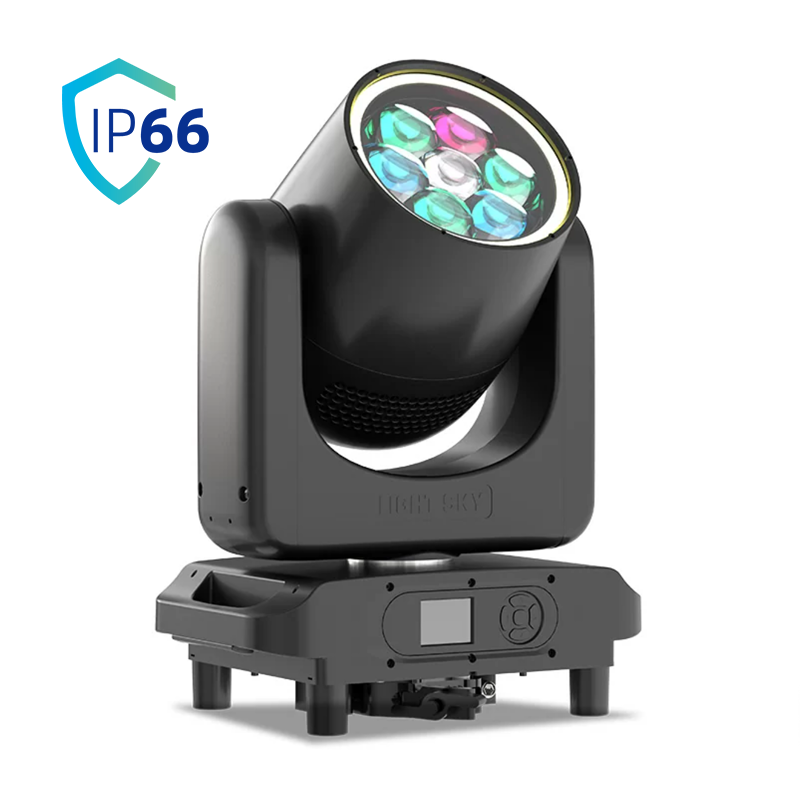
When you’re building a lighting rig that needs to survive a stadium run and still look sharp on night two, durability matters more than a dozen gimmicks. This piece compares rugged moving beam fixtures with lighter wash units so you can make choices that hold up under heat, travel, and real timelines. If you want a fast example of what I mean, check out the led moving wash category—those fixtures aim to balance punch and portability, but they’re not the full story when you need raw beam punch and hardened mechanics.

What professionals actually compare
Comparative insight is practical: measure what breaks, what’s replaceable, and what keeps shows running. Key factors I see tour managers and LDs weigh are build quality (aluminum vs. die-cast parts), IP rating for weather, lumen output, beam angle, and control flexibility like DMX channel mapping. Optics matter too—gobo wheels and lens quality determine beam sharpness. Don’t ignore CRI for front-of-house effects, but for pure beam fixtures lumen density and beam angle are the decisive specs.
Head-to-head categories that reveal real differences
Here’s how I lay things out when testing two fixtures side-by-side:
– Mechanical endurance: moving head bearings, stepper/servo motor longevity, and protective sealing.
– Optical fidelity: measured in lumens and how well gobos project at distance.
– Control and integration: DMX responsiveness, latency, and channel efficiency.
– Serviceability: modular parts, replacement lamp modules or LED arrays, and vendor support.
These categories are low drama but high impact. Small tolerances in a yoke or a cracked gobo wheel will stop a show faster than an extra color goboset.
Festival rigs vs. club setups — a real-world anchor
Glastonbury’s Pyramid Stage is a good example: huge crowds, unpredictable weather, and long set turnovers force gear to be both loud-looking and seriously durable. Touring around festivals like that teaches teams which fixtures handle rain, dust, and 18-hour load-ins. A club tour might favor smaller footprints and faster focus, but a multi-week outdoor festival needs watertight housings and robust motors. The trade-offs are obvious in practice—some fixtures prioritize weight savings, others prioritize sealed bearings and higher IP ratings.
Common mistakes that trip up buyers
Teams often buy the brightest fixture they can afford and then wonder why connectors corrode or motors fail. Mistakes I keep seeing: underestimating thermal management for high-lumen LEDs, skipping proper power conditioning, and ignoring how beam angle scales with distance. Also, don’t assume all fixtures labeled “tour-grade” use the same components—look inside. —Yes, paperwork can mislead, and the label doesn’t replace a teardown or a hands-on burn test.
Alternatives and when to pick each
If you need sweeping color washes and tight pixel mapping, an array-based led beam wash can be great. For long-throw aerial accents or high-intensity shafts, a moving beam with quality optics and replaceable lamp modules will outperform wash fixtures every time. Hybrid fixtures exist too—choose them when you need mid-range flexibility without two separate fixture types.
Three golden rules for picking the right fixture
1) Prioritize serviceability: make sure spare parts and modular assemblies are available in your market. Replacement heads, gobo wheels, and driver modules save downtime.
2) Match beam specs to venue geometry: verify beam angle and lumen output at your longest throw distance, not just manufacturer numbers.
3) Confirm control reliability: test DMX mapping and latency in a live patch before committing to a purchase.
These three metrics cut through marketing and tell you what will work on load-in day. The result is predictable uptime and fewer mid-tour surprises.
Final thought
Choose fixtures that solve real problems—sturdy housings, predictable optics, and easy serviceability—and you’ll spend less time troubleshooting and more time on creative choices. Light Sky fits into that line of thinking by offering fixtures that slot into pro workflows without forcing compromises. Solid gear equals smoother shows. —signed, someone who’s lugged enough flight cases to know the difference.