
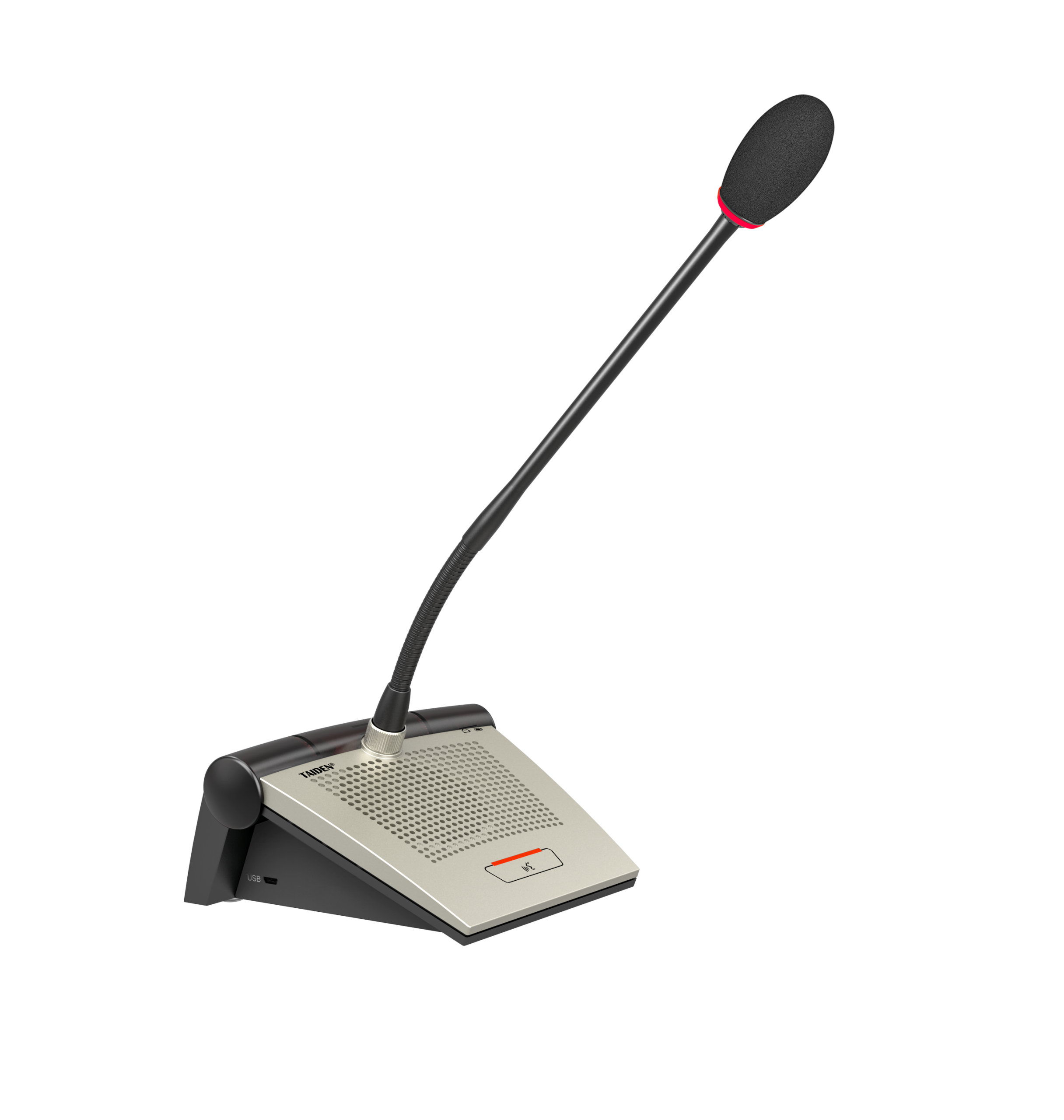
Introduction: Why Compare Light vs. Radio in Meetings?
Infrared audio links move speech as light, not radio. In a wireless conference system, that shift rewrites noise, coverage, and security basics. An IR wireless system confines signals to the room by design, which sounds simple—yet it alters how dropouts, eavesdropping, and setup time show up in daily work. Picture a council chamber with cameras, LED walls, and a dozen laptops on Wi‑Fi. Now add the stat that many venues report noticeable RF interference at peak hours, with codec latency spiking when traffic surges. If one roaming hotspot can de-rate your audio path, what is your plan when fifty people walk in?
Mechanically speaking, you want proof, not promises: stable link budget, low jitter in the DSP pipeline, and repeatable coverage. But how do you audit that on a live agenda without risk (and without overtime)? That’s the test we’ll frame here—clear, quick, and practical—so your team can choose a path that holds under load. Let’s move from symptoms to causes, then to action.

Where Traditional RF Setups Fall Short (and Why IR Skips the Mess)
What’s the real bottleneck?
Most RF rooms are fragile at the edges. Frequency coordination looks neat on paper, but RF interference from access points, phones, and LED drivers adds noise that you can’t fully schedule. Multipath in glass-heavy halls forces the receiver to fight reflections; your codec latency creeps up when error correction works overtime. Add unknown gear from guests, and your QoS plan gets tested fast—funny how that works, right? With IR, walls act like shields. Line-of-sight plus controlled bounce keeps the footprint local, so your risk surface shrinks.
Battery life and predictability matter too. RF transmitters often run hotter under dense traffic, which hits power converters and runtime. IR talk units typically draw steady current because the optical channel stays clean, so the math is easier for day-long sessions. Look, it’s simpler than you think: if the room itself blocks the signal, you cut the eavesdropping vector and the need for last-minute frequency scrambles. The result is fewer variables, less setup drift, and fewer “mystery” dropouts when cameras, beamforming arrays, or LED walls light up.
From Light to Clarity: Principles, Proof, and What’s Next
Real-world Impact
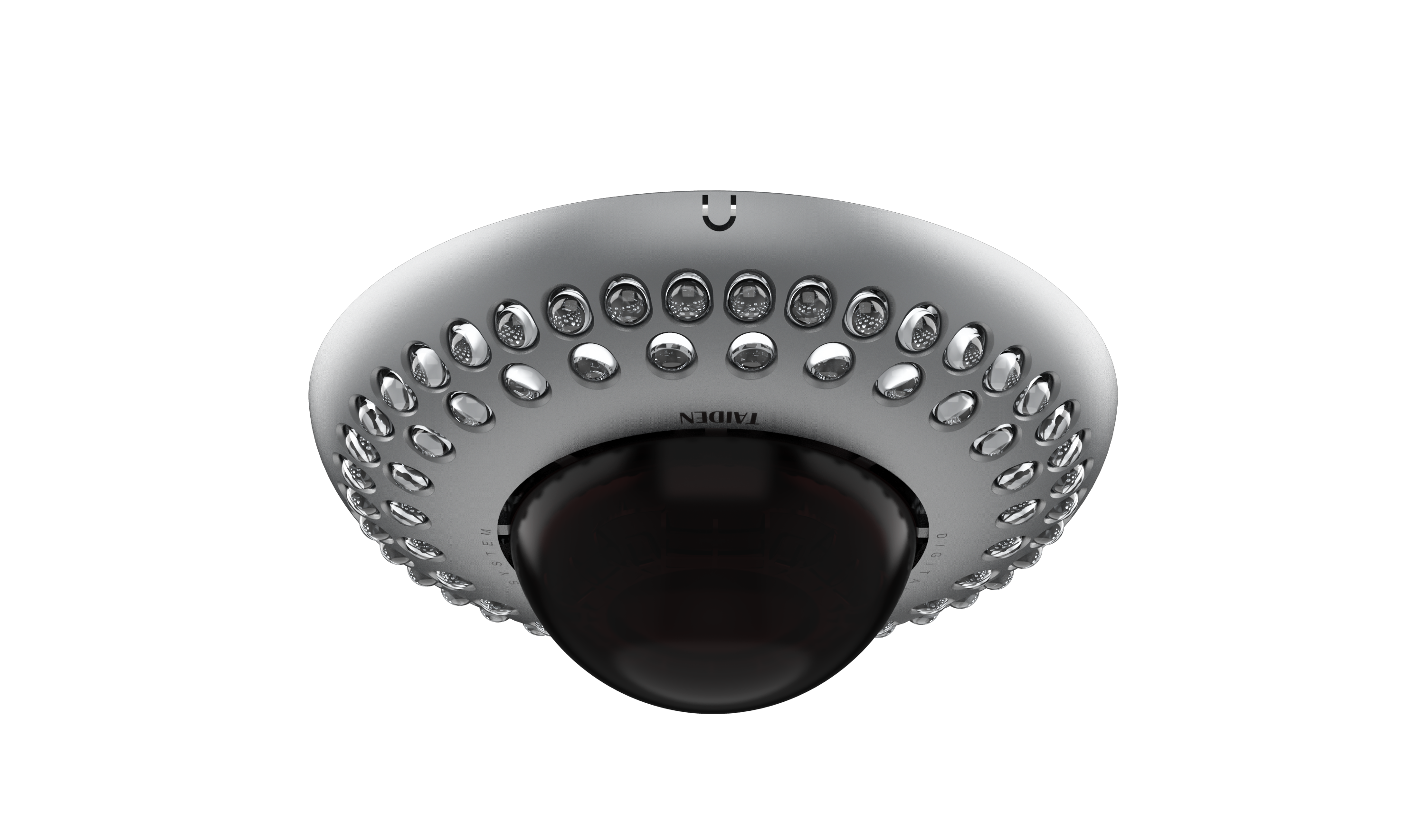
Let’s compare mechanics. IR uses modulated light picked up by photodiodes; the optical path is room-bounded, so adjacent spaces stay quiet. That means predictable link budget and stable jitter through the DSP pipeline. In contrast, RF lives in crowded bands, where retry storms and adjacent-channel noise nudge codec latency upward—small pushes add up. With modern optical panels, coverage maps act like paint-by-numbers: place emitters, validate lux and angular spread, and you’re set. For speech, that stability beats raw range. It also hardens privacy without extra encryption layers (though AES on top is common—and yes, that matters). If your team relies on wireless conference mics for hybrid hearings, a bounded optical cell reduces surprises when Wi‑Fi peaks during streaming breaks.
Forward-looking gear makes this easier. New IR platforms apply smarter error correction, faster AGC, and tighter sync clocks, so the sound stays locked even during quick head turns or camera cuts. To choose well, use three checks: 1) Coverage integrity: map emitter angles, confirm no blind rows, and measure packet error rate under motion. 2) Latency budget: test end-to-end, not just the link—include DSP, recording, and interpretation feeds. 3) Resilience under load: simulate worst-case RF noise, LED dimmer sweeps, and people count; your IR path should hold steady while RF paths wobble. Keep the focus on measurable outcomes, not feature lists—your minutes and archives depend on it. For teams that want fewer variables and cleaner installs, a light-first design often wins the week. Learn more from trusted engineering sources like TAIDEN.