
Introduction: A Buyer’s Reality vs. Packaging Truth
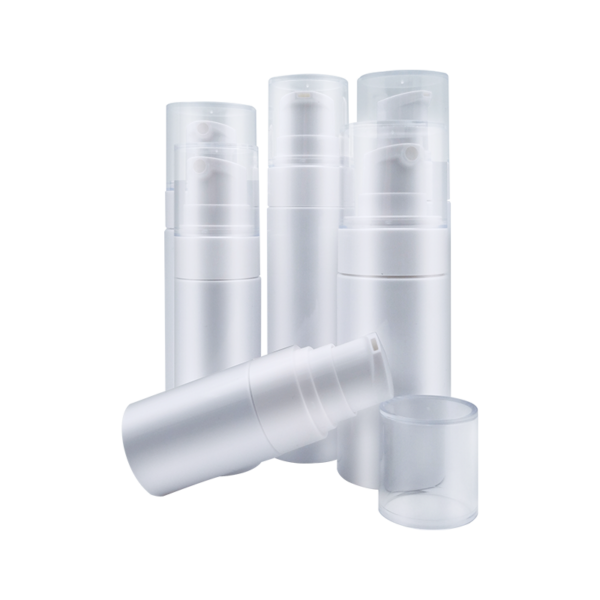
You rush to meet a launch date, the label is locked, and the formula is ready—then a bottle panel dents after filling. You call a pet cosmetic bottle manufacturer and expect magic, ngay và luôn. Many brand teams jump to Google, type pet cosmetic bottle china, and hope for a fast quote and clean lead time. But here’s the kicker: packaging failures drive up to 15–20% of grooming product complaints in some markets, mostly from cap leakage, label scuffing, or stress-whitening during transit. That’s not just annoying; it’s margin loss and brand trust on the line (thật ra).
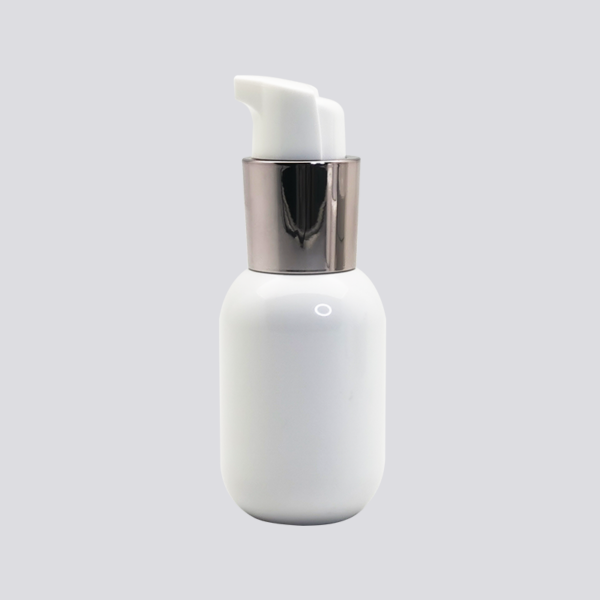
This article takes a comparative angle. We look at why “cheap and quick” is often costly, and how differences in molding control, closure torque windows, and resin selection shape your real outcome. Direct and practical—no fluff. We’ll ask what you should compare, not just what you should buy. Ready to see where the hidden risks live? Let’s break it down and move to the parts that often get missed in the brief.
The Deeper Layer: Hidden Pain Points You Don’t See at the Quote Stage
Where do leaks really start?
Most problems do not start on your filling line; they begin at the preform and neck finish. In injection stretch blow molding (ISBM), tiny shifts in preform weight or gate cooling can alter neck ovality. That changes closure torque targets and raises leak risk under drop or pressure. Color looks fine in daylight but the masterbatch might bloom under heat, making swirl streaks visible on shelf. The quote never mentions oxygen transmission rate (OTR) or panel resistance, yet your formula might be fragrance-rich and volatile. Look, it’s simpler than you think: mis-matched resin grade, loose tolerance stack-up, and a cap liner spec that was copied from a different SKU—these create 80% of failures.
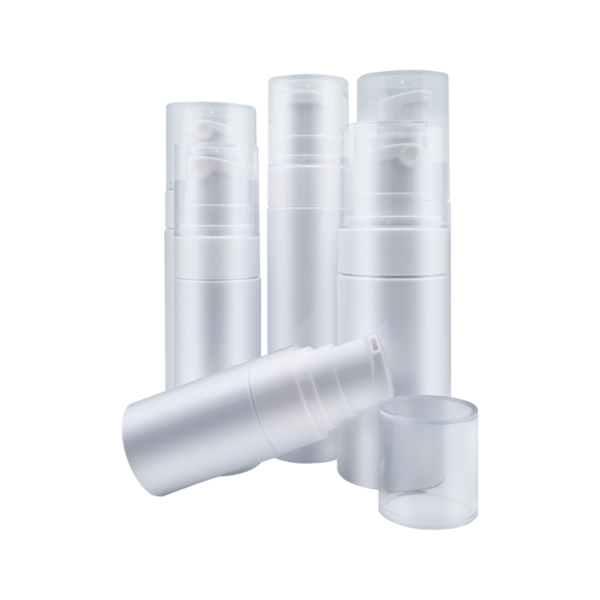
Then come the processes behind the curtain. Is burst testing done on every cavity family or only per shift? What’s the Cpk on neck thread dimensions? Is the leak rate target below 0.3% or just “acceptable”? If QA sampling is 1/10,000, an early drift can run for hours. Hot-fill? Gamma sterilization? If these aren’t validated against your exact wall thickness and crystallinity profile, bottles can warp or stress-crack in transit. And if minimum order quantity (MOQ) forces overproduction, storage time can worsen cap seal set and label adhesion. Small issues compounding—funny how that works, right?
Comparative Insight: New Technology Principles That Change the Decision
What’s Next
Forward-looking plants now use inline vision systems that measure neck threads, wall distribution, and gate vestige in real time. Pair that with SPC dashboards and you get live alerts before bad lots move to packing. Digital torque analytics simulate cap application and removal forces, so the closure window is tuned to your filler’s chuck. Some pet cosmetic bottles manufacturers are also deploying resin digital twins to test PCR (post-consumer resin) blends for impact resistance without sacrificing clarity. The principle is simple: measure earlier, correct faster. When you compare suppliers, ask who ties camera data to cavity ID and who can trace a defect in minutes—not days.
Material science is also shifting the game. Low-acetaldehyde PET grades manage aroma protection; better barrier coatings reduce OTR; and improved color masterbatch controls prevent lot-to-lot shade drift. Batch QR traceability links preform lots to cap liners and pump fit tests, so compatibility isn’t guesswork—it’s documented. The net effect: fewer returns, cleaner audits, and smoother ramp-ups. Semi-formal note, but practical: select partners who show migration testing files (REACH/ROHS), EPR compliance plans, and torque curves matched to your closure. Different to the old way—less talk, more proof.
How to Compare Vendors: 3 Metrics That Matter
To wrap up, keep the comparison grounded and measurable. 1) Dimensional control: require Cpk ≥ 1.33 on neck finish and verify closure torque curves for your exact cap liner; ask for the SPC chart, not just a pass/fail. 2) Functional performance: set a verified leak rate threshold (< 0.3% at 50 kPa for 30 minutes) plus drop and vibration test results tied to your logistics route; include OTR targets if fragrance load is high. 3) Material and process transparency: confirm PCR content tolerance (±2%), documented migration testing, and inline vision coverage by cavity with batch-level traceability. Keep it calm, compare like-for-like, and request real samples under your fill, cap, and ship conditions—Look, it’s simpler than you think when numbers lead the talk. If you need a starting point for questions and data requests, you can reference teams like NAVI Packaging for how the documentation flow should look (non-promotional, just good practice).