
Introduction: A Gentle Look at What Users Really Notice
A morning routine can reveal a lot. You twist open an acrylic cream jar and notice the small things. The lid glides, the seal holds, and the product feels fresh—until one day it doesn’t. Recent buyer surveys suggest more than half of skincare users judge quality by the jar’s feel and clarity, not just the formula. That’s real-world data, not guesswork. Yet many brands still treat packaging like a backdrop. (It’s the first thing hands touch.) So we ask: when looks, touch, and shelf life all matter, how do we compare jars to find what actually lasts?
I’m here to share what works and what falls short, in plain words. We’ll talk slip, seal, and shine. We’ll add a bit of science, but keep it caring and clear. The goal is simple: help you make choices that respect your product and your customers. Let’s step into the details, gently—and see what the comparisons reveal next.
Part 2: The Deeper Trade-Offs Behind China-Made Acrylic Cream Jars
Where do traditional designs fall short?
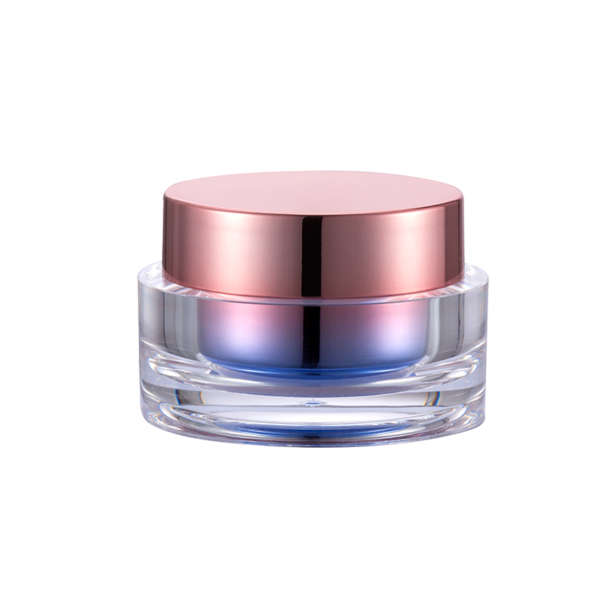
When we say china acrylic cream jar, we often imagine bright clarity and a luxe feel. That can be true. But the usual solution carries quiet flaws many teams miss. Thread tolerances can drift in mass production, which affects torque and long-term seal. A tiny shift in the neck finish can loosen the closure after a few open-close cycles. If the liner and formula are mismatched, you may see micro-leaks or outgassing. UV coating can scuff under transit vibration. And that “crystal” look? It can yellow near heat lamps or sunny shelves if the coating stack is not heat-stable. Look, it’s simpler than you think: small mechanical details add up to big shelf-life outcomes.
Technical checkups help. Ask about injection molding parameters and mold maintenance schedules. Is there a QC gate for cap fit and drop-test performance? What’s the haze percent and yellowness index after accelerated aging? Does the supplier validate compatibility between sealing gasket, liner, and high-oil formulas? These are not overkill; they are the reason a jar feels premium on day 100, not just on day one. And yes, vacuum metallization and color masterbatch options can be beautiful—if the supplier controls batch-to-batch variance. Otherwise, you’ll chase color drift across SKUs—funny how that works, right?
Part 3: Comparative Signals and What’s Next
What’s Next
Now let’s look forward with a clear comparison lens. The most promising shift is toward design-for-stability principles. That means better thread geometry, torque retention testing, and smarter material stacks. Think acrylic outer shells for clarity plus barrier resin inserts for protection. Some lines are also piloting thin-film coatings that resist scuffs and UV drift. A capable acrylic cream jar manufacturer in china can show you data on seal compression set, not just pretty photos. Here’s why that matters: predictable sealing equals fewer returns and keeps fragrance notes intact. Material science, not guesswork, is setting the pace.
Real-world case signals back it up. Brands that tightened torque specs and added liner compatibility checks cut leak complaints by double digits. Teams that logged molding temperature windows saw fewer stress marks and better clarity over time. Options like PCR acrylic blends are emerging too, with suppliers tuning flow rates to keep wall polish high. It’s not hype; it’s process control. And small process steps—like cap-to-jar fit audits every 5,000 units—create visible wins. Semi-formal note aside: when your packaging keeps its look and seal past the 90-day mark, customers trust the formula more. That’s the quiet edge you feel on the shelf—because performance whispers before it ever shouts.
How to Choose: Three Metrics That Keep You Honest
Use these metrics when you compare options (and keep them measurable):

1) Sealing Integrity Score: Look for torque retention, compression set on gaskets, and leak results after 1,000 open-close cycles and a standardized drop-test. 2) Optical Stability Index: Ask for initial haze and yellowness index, plus results after UV and heat aging. 3) Process Reliability: Confirm molding tolerances, cap fit CPK values, and color variance across batches. If a supplier can’t show the data, it’s a red flag. If they can, you’ll see fewer returns, steadier brand feel, and a cleaner cost-of-quality line. Share these checks with your team—and revisit them every quarter—so your jar keeps earning trust as trends evolve. For steady partners and deeper specs, you can start a calm, data-led conversation with NAVI Packaging.