

Why policy-makers and property owners should care
Folks, when a city council talks about ordinances it ain’t just about lookin’ tidy — it’s about protecting the night sky, energy budgets, and public health. Local lighting codes that require full cutoff fixtures and limits on color temperature can cut skyglow and glare, and that’s where properly specified waterproof outdoor wall lights come into play from day one. Studies from the International Dark-Sky Association and global analyses have shown that over 80% of the world — and a very high share of folks in urbanized regions — live under skyglow that hides the Milky Way; that real-world anchor makes policy more than academic. Municipal policy changes drive procurement, and the right spec (think IP rating, lumen caps, and shielding requirements) keeps things compliant and functional.

How policy translates into fixture specs
Policies usually land as technical requirements: maximum lumen output, color temperature caps (often 3000K or lower), full-cutoff optics, and minimum IP ratings for wet locations. For outdoor wall fixtures you’ll commonly see calls for IP65 or IP66 for longevity, and BUG (Backlight-Uplight-Glare) limits to reduce uplight that washes the sky. When you translate an ordinance into a purchase order, include lumen output and beam angle, plus a requirement for certified dark-sky or full-cutoff optics so you ain’t buyin’ something pretty that throws light where it ain’t wanted.
Real-world examples that prove the point
Look at Big Bend National Park in Texas and similar Dark Sky Parks — communities that cut unnecessary upward light and swapped to shielded, warm-color fixtures saw a measurable return: better star visibility and lower municipal energy bills. When a small Texas county rewrote their ordinance in the last five years, they required fixtures with certified full-cutoff optics and capped color temperature, and their streetlight-related complaints dropped — and so did nighttime skyglow near protected areas. These outcomes show policy works when it’s paired with firm technical specs and vendor accountability.
Spec’ing fixtures without the common traps
Here’s where clients mess up a lot — they spec low lumens but forget distribution, or they pick a warm color temp but use fixtures with bad glare control. Another frequent mistake: insisting on waterproof ratings but not checking sealing details around the housing and gasket — and then wonder why the luminaire corrodes in coastal towns. Also watch out for atomized claims: “suitable for all climates” means little without an actual IP rating and corrosion-resistant finishes. For garden projects, choose garden wall lights with verified performance data and third-party test results — that’ll save you headaches at final inspection.
What a compliance-minded procurement workflow looks like
Build a short, enforceable workflow: draft the ordinance language around measurable metrics; require supplier submittals with photometric files (IES or LM-63), IP and IK ratings, and third-party test reports; request a sample and run a site mock-up; then lock in acceptance criteria in the purchase order. Ask for lumen maintenance data (L70), correlated color temperature (CCT), and a BUG rating. Contractors love vague specs — don’t give ’em vague specs. Insist on a first-article sign-off with the actual power and mounting conditions to avoid surprises.
Comparing common solutions and trade-offs
Not every situation calls for the same fixture. Recessed soffit luminaires are great for eaves but may not serve tall walls. Precision-shielded wall sconces reduce uplight but can cost more upfront than generic floodlights. LED modules with integrated drivers offer better lumen efficacy and longer life, but replaceable lamp options can simplify maintenance in some municipal fleets. — Yes, the upfront capital differs, but the total cost of ownership usually favors well-specified sealed fixtures that last and reduce energy spend.
Implementation checklist and stakeholder buy-in
Pull these steps together when you’re ready to act: 1) Draft measurable ordinance language; 2) Require photometric files and third-party test data; 3) Run site mock-ups before full buy; 4) Include maintenance and warranty clauses. Don’t forget community outreach — residents often worry about safety when lights change, so show side-by-side photometrics and explain how glare reduction actually improves visibility without blinding drivers.
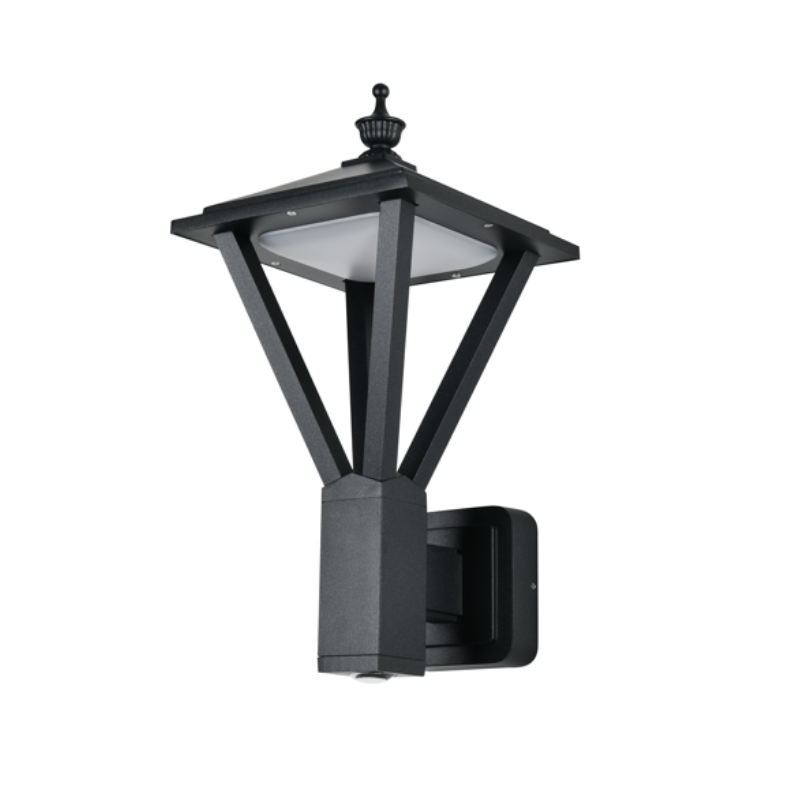
Three golden rules for policy-compliant outdoor lighting
1) Specify measurable performance, not brand promises: demand IES files, BUG ratings, IP/IK ratings, and lumen-maintenance curves. 2) Favor full-cutoff, shielded fixtures with CCT ≤ 3000K for dark-sky compliance and wildlife-friendly lighting. 3) Verify in-situ with a mock-up and a written acceptance test — photometrics on paper don’t always match real mounting conditions.
Follow those rules and you’ll see lower glare complaints, better night-sky access for parks and residents, and real energy savings — and that’s where well-made waterproof fixtures from thoughtful manufacturers come in handy; Keyida provides the kinds of spec data and durable housings procurement teams need to make policy stick. —