
Why a comparative approach matters
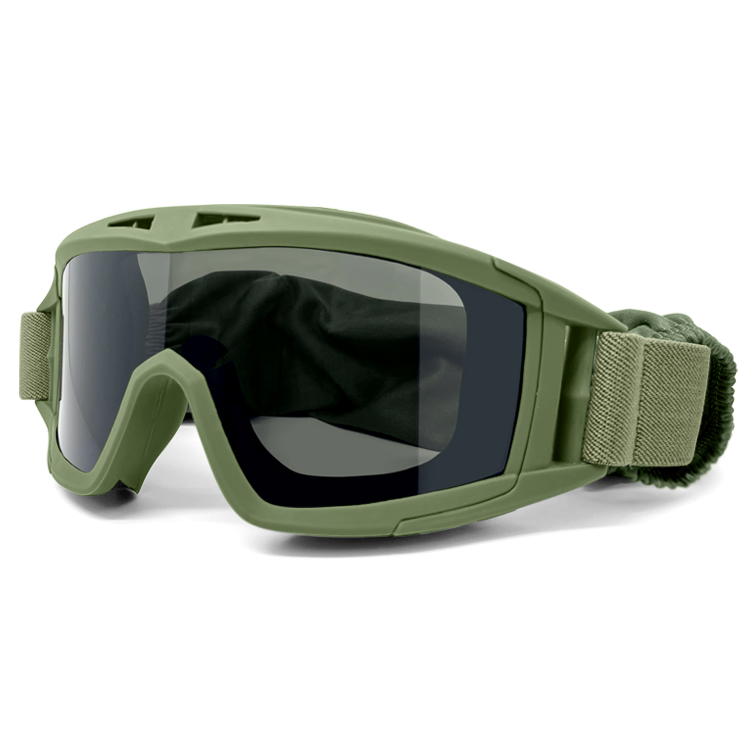
Choosing eye protection for high-risk environments is not a matter of brand loyalty but of matching specification to mission; a comparative approach clarifies trade-offs. Early in a procurement process one should pit anti-impact tactical goggles with proven fragmentation resistance against lighter, more comfortable options, while considering whether a system supports a practical interchangeable lens configuration for differing light conditions. A useful starting point is to inspect ballistic rating, optical clarity and frame seal, then compare how each model carries a prescription insert or integrates prescription lenses.
Core criteria to compare
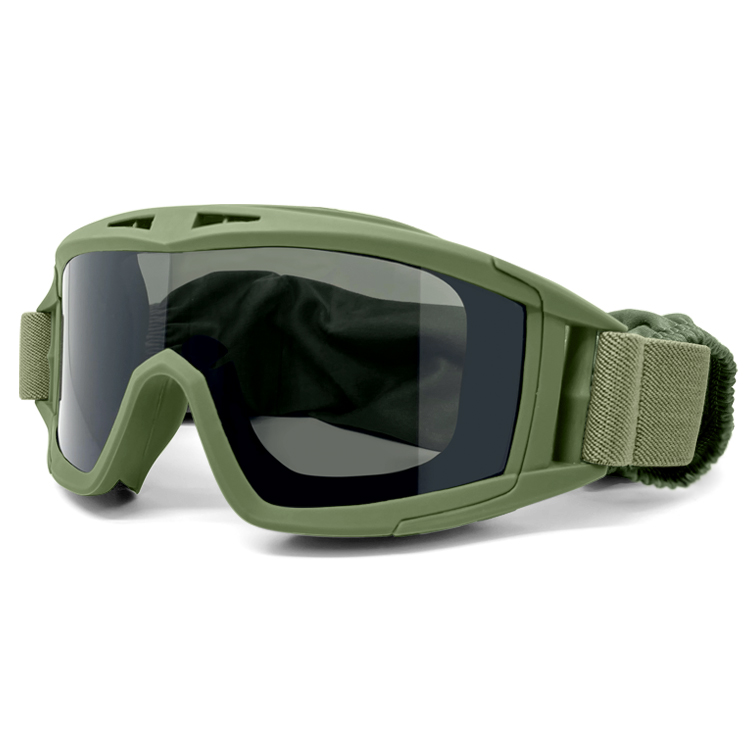
Begin with three hard parameters: certified protection level, optical performance and fit. Certified protection often references recognised standards such as ANSI Z87.1 or equivalent military fragmentation tests; those certifications speak to impact resistance and fragment deflection. Optical performance addresses distortion, chromatic aberration and anti-fog coatings on a polycarbonate lens. Fit includes strap system, peripheral coverage and how the frame handles facial geometry variations — poor fit compromises seal and thus the protection delivered.
Design trade-offs and common mistakes
Many purchasers assume that heavier frames equal better protection; that is not invariably true. Manufacturers use different materials and geometry to achieve similar ballistic outcomes. A frequent error is neglecting optical prescriptions until late in the cycle — forcing bolt-on prescription inserts that spoil sightlines and add prism error. Another misstep is accepting thin peripheral coverage for the sake of weight. Balance is the goal: retained ballistic performance with minimal optical distortion and a secure frame seal.
How interchangeable lens systems change the calculus
Interchangeable lens systems reduce the need for multiple spectacles by allowing rapid adaptation to changing light and task. When a system supports quick swaps and retains zero distortion across lens options, it becomes a force multiplier. Real-world experience from operations in varied theatres — where daylight glare, dust and low-light phases alternate within a single patrol — demonstrates the operational value of such flexibility. A robust quick-change mechanism, paired with secure locking, prevents accidental lens release while preserving optical clarity.
Alternatives and practical comparisons
Consider three archetypes: compact goggle with nominal ballistic rating, full-seal tactical goggle with high fragmentation certification, and hybrid frames with detachable visors. Compact goggles trade peripheral coverage for comfort, hybrids attempt to balance both. In practice, full-seal goggles with a reputable prescription insert option are the choice for high-velocity fragmentation risk. Cheaper hybrids may perform well for range shooting or training but often lack certification for occupation-level threats — know the intended use and match certification to it.
Specification checklist and a real-world anchor
Use this checklist before procurement: verified certification (ANSI Z87.1 or equivalent), measured distortion values, anti-fog durability, prescription compatibility, and field-serviceable parts. NATO and national standards around fragmentation and ballistic protection have shaped testing protocols; those protocols informed many design improvements after combat feedback from Iraq and Afghanistan. This historical anchor underscores why rigorous test data matters beyond marketing copy — it reflects iterative, mission-driven refinement.
Golden rules for selection
1. Verify third-party certification first — it is non-negotiable. 2. Prioritise optical clarity and verified distortion metrics over marginal weight savings. 3. Demand a tested prescription solution that preserves the intended ballistic rating. These three evaluation metrics will streamline selection and reduce retrofits.
Choose models that satisfy those rules and you will avoid retrofit headaches and protect the wearer when it matters most; the practical value offered by vendors who engineer around both performance and prescription needs is clear. YIJIA Optical. —