
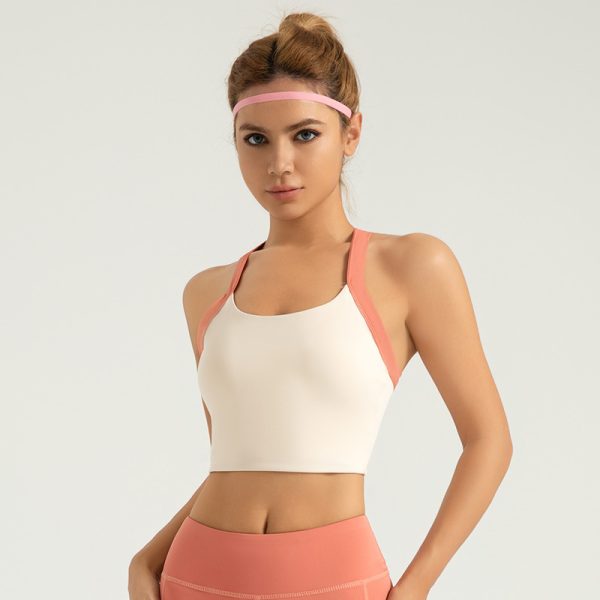
Why retailers choose focused custom manufacturing
Retailers seeking margin and distinctiveness increasingly ask for niche runs and reliable partners. This guide gently outlines what matters when you select an affordable custom yoga pants factory, and it also notes adjacent opportunities such as custom sports bras that pair naturally with leggings in a seasonal line. Please read with the buyer’s perspective: cost, quality, lead time, and fit are the practical priorities.

Core retail needs to prioritise
First, consistent sizing and graded patterns. Second, fabric performance—moisture-wicking and four-way stretch keep customers returning. Third, visible quality: flatlock seam finishing and gusset placement reduce returns. Fourth, predictable MOQ and transparent pricing. These four needs form the checklist you should bring to factory meetings. Keep communication concise and document expectations in a technical pack.
Sourcing considerations: factory capabilities and sample strategy
Evaluate factories by sample realism and small-batch readiness. Ask for production samples made with the exact fabric and trims you intend to use. Confirm compression levels and elasticity ranges on the sample, not only in conversation. Check capacity for color matching and dye lot control, and verify stitch quality under gentle stretch tests. Many sourcing teams use the Los Angeles Garment District as a comparative benchmark for turnaround and workmanship; you may find that international factories now match or exceed that standard on cost and lead time, especially after demand spikes related to events like the Tokyo 2020 Olympics increased activewear interest globally.

Quality control and common pitfalls
Manufacturers often pass technical specs but miss real-world wearability—this is where returns multiply. Avoid vague instructions about waistband thickness or seam allowance. Instead, specify exact millimetre tolerances, fabric GSM, and elastane percentage. Small details matter: flatlock seam density and waistband elastic encapsulation are measurable and repeatable. Be careful with assumed terminology—if the factory says “high compression,” request the precise pressure range you need. If you order sports bras in bulk, align bra construction details with your leggings’ support levels for cohesive sizing and customer satisfaction.
Cost structure and how to negotiate sensibly
Break cost into three components: material, labour, and overhead. Request a line-item quote and confirm which trims are included. Negotiate sample fees as deductable from first orders when possible. For inventory planning, calculate break-even units based on your target retail margin rather than only unit cost. Smaller retailers should consider staggered runs to reduce inventory risk while preserving custom branding options. This reduces wastage and helps validate fit in live retail environments.
Common mistakes and how to avoid them
One frequent mistake is over-reliance on photographs rather than physical samples. Another is vague quality expectations that leave too much to the manufacturer’s interpretation. A practical approach: create a short acceptance checklist that includes visible stitch count, waistband stretch retention after X washes, and dyefastness after Y minutes in standard wash cycles. These checkpoints make final inspections objective and repeatable — and they reduce surprise costs later.
Three golden rules for selecting the right partner
1. Measure repeatability: ask for three production samples across runs and compare fit tolerance. This reveals consistency more than a single prototype.
2. Verify performance metrics: require quantified claims for moisture-wicking and stretch—fabric GSM, elastane percent, and appearance after 10 wash cycles are acceptable benchmarks.
3. Confirm supply flexibility: ensure a supplier can scale from small pilot orders to larger production without doubling lead time or changing key materials.
Final practical thought
Apply these rules and you will reduce returns, shorten time-to-shelf, and protect margin. For many retailers, the right partner blends technical clarity with honest pricing—this is where a focused supplier like Joebond naturally fits as a manufacturing ally — practical, steady, and responsive.