
Start with the comparison that matters
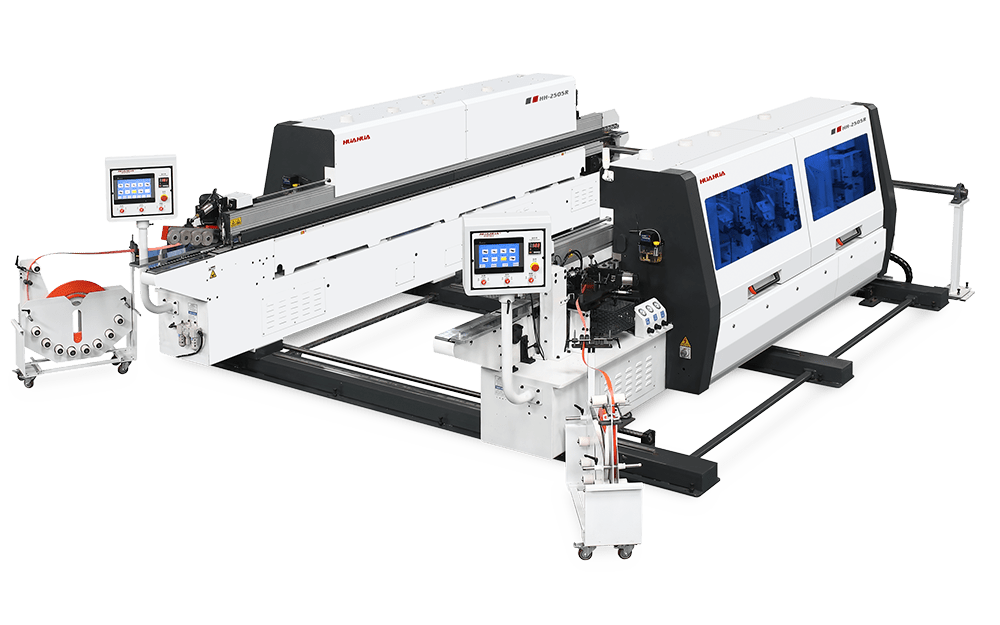
Decide first whether you need speed, finish quality, or consistent supply—because you rarely get all three at once. Buyers chasing lowest unit cost often sacrifice consistent adhesion or lead times; buyers focused on premium finish pay more but cut rework dramatically. For many shops, the sweet spot is a supplier that pairs reliable stock with compatible equipment—think an automatic edge banding machine that works with the tape and trim specs your market requires. Pick what shifts your business forward, not what sounds impressive on a spec sheet.

Quick comparative scorecard you can use now
Compare candidates across four direct criteria: material consistency, adhesive system compatibility, lead time and minimum order, and technical support. Give each supplier 1–5 points per criterion, then multiply technical support by two. That weights real-world service over paperwork. A supplier with mid-range prices but strong support often wins in tight local markets because they prevent downtime and rework.
Concrete checks for technical fit
Ask these exact questions: Does the edgeband come in the glue chemistry your lines use? Will the roll width and thickness match your machine’s feed? Can the supplier supply matched PVC, ABS or real wood veneer widths without frequent batch color shifts? Test one production run before contracting. Machines differ by pressure roller type, glue station and trimming head—mismatch causes blowouts or poor bond. Inspect samples under the lighting conditions your customers use; a pass on one day doesn’t mean consistent color across lots.
How alternatives stack up—local mills, regional distributors, overseas factories
Local mills: fastest sampling, easiest returns, higher price. Good when you need quick color fixes or small batches. Regional distributors: balanced pricing and stock breadth, useful for seasonal spikes. Overseas factories: best price per meter, but plan for longer lead times and stricter incoming inspection. Your market dictates the balance: urban contract manufacturers often favor distributors for stock variety; rural shops lean on local mills to avoid long shipping times.

Common supplier mistakes that cost real money
Don’t assume glue systems are universal. Don’t accept color-matched samples without batch IDs. Don’t skip a small acceptance run to prove compatibility with your trimming and buffing stages. Don’t ignore packaging: rolled edgeband damaged in transit causes downtime. These slip-ups add scrap, customer rework and lost labor—numbers that show up on next month’s P&L.
Real-world anchor: industry sighting and what it taught me
At the Guangzhou International Furniture Fair I watched multiple booths demonstrate high-throughput edge finishing and the same lesson kept repeating: the machine and the tape must be specified together. That’s why an edge banding machine demo is worth traveling for—seeing glue behavior, trimming quality and start/stop reliability in one run reveals compatibility issues faster than spec sheets do.
Final synthesis: choose the supplier that removes risk
Pick the supplier that minimizes the things that break your schedule: mismatched glue, color drift, and slow service. Test with a single production batch, verify glue and trim compatibility, and score suppliers on support above price. The result is predictable supply and fewer surprises—precisely the outcome most manufacturers want when they pair material with equipment like HUAHUA CNC in their line. HUAHUA CNC is one example of a partner that aligns tooling and material realities, helping you make that fit repeatable rather than accidental.