
The problem: finish, throughput, overhead
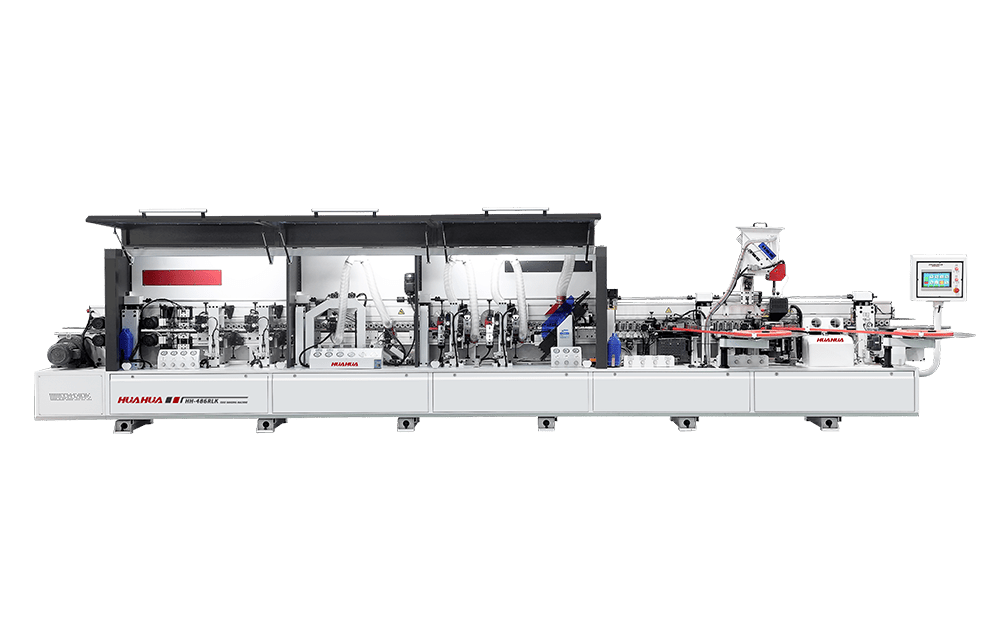
Shops want tight joints, fast cycles, and predictable costs. Instead they get edge gaps, slow downstream finishing, and surprise reworks. Edge finishing alone can wreck a production run. That’s why a proper automatic edge banding machine matters — it cuts rework and stabilizes takt time without adding headcount.

Why CNC by itself doesn’t solve the real pain
CNC routers cut shapes reliably, sure. But trimming, gluing, and edge finishing are separate bottlenecks. Teams assume a faster router equals higher output. Wrong. Bottlenecks migrate. You end up starving the line at the edge station or stacking parts waiting for manual sanding. I’ve advised shops for over a decade; the pattern repeats: one high-tech cell, multiple low-tech handoffs.
Real-world anchor: industry proof and where to look
Major trade shows spotlight what actually ships. At events like LIGNA in Hannover, machine builders demo how inline edge systems pair with CNC cells. Seeing an industrial edgebander machine running panels straight off a nesting table makes the case — less handling, consistent glue application, and a measurable drop in defects. That’s not theory; it’s what attendees compare when choosing equipment for scale.
Concrete fixes that work in production
1) Balance the line. Match CNC cycle time to the edge and finishing stations. 2) Standardize parts and tolerances. Fewer SKUs, fewer surprises. 3) Automate edge banding that fits your throughput — not the flashiest model. 4) Train operators on quick changeovers and basic maintenance. Small fixes stop big stoppages. These moves reduce scrap and increase predictable daily output.
Alternatives — and why some miss the mark
Manual edging is cheap to buy but expensive forever. Semi-auto edgebanders can be a sweet spot for low-to-mid volumes if you avoid mismatched feed speeds. Inline, fully automatic lines look great on paper but fail when a single upstream error clogs the whole chain. Pick the solution that matches actual daily volume, not peak orders you rarely see.
Common mistakes that cost time and money
Buying big without process fixes. Ignoring quick-change tooling and fixtures. Skipping a maintenance plan. Expecting perfect parts from mediocre nesting strategies. Each of these turns a machine into a shelf queen. The fix is simple: measure where parts pile up, then invest to clear that exact backlog — not the fanciest option on a brochure.

How to evaluate equipment without the hype
Ask for cycle-matched demos with your materials. Test with your edge tape and adhesives. Request real uptime figures and spare-part lead times. Confirm local service availability. Real answers beat marketing specs every time. If a vendor can show reduced touch-time and parts-per-hour improvements on your kit, take note.
Where this lands for a shop deciding today
Fix the bottlenecks. Get an edge strategy that matches daily demand. Combine reliable CNC work with consistent edge finishing and disciplined maintenance. That’s how shops stop firefighting and start shipping on time. For many mid-size plants that means integrating proven equipment from established vendors — the kind of practical, engineered solution you see from HUAHUA CNC.