
Opening — the problem you feel first
Costs balloon not because numbers lie, but because people miss the true levers. If you’re sizing a hybrid solar system, the sticker shock usually shows up after the first quote: hidden integration work, unexpected permit fees, or a mismatch between inverter and battery. This piece digs into the practical problems that inflate project value so you can spot them early and choose clearer trade-offs.
The central problem: visibility versus performance
Projects that look cheap on paper often hide lifecycle costs. You must judge not just purchase price, but how components interact over years. A seemingly small choice — inverter topology, control software, or battery chemistry — can change replacement cycles, operational efficiency, and revenue from grid services. Fixing those mistakes after installation costs way more than fixing them at design time.
Primary cost drivers you must watch
– Component hardware: inverters, batteries, transformers. Higher-rated power electronics and heavier duty mechanicals cost more up front but reduce failure risk.
– Battery chemistry and cycle life: lithium-iron-phosphate (LFP) versus NMC changes usable life, depth-of-discharge, thermal management and replacement cadence.
– Power rating vs energy capacity: selling kW for short bursts is different than storing kWh for long durations; oversizing one dimension wastes capital.
– Balance of System (BOS): wiring, switchgear, protection, mounting and thermal systems add up quickly when scaled.
– Soft costs: permitting, interconnection studies, and grid upgrade requirements are often overlooked and region-dependent.
– Controls, firmware and monitoring: good software yields savings through better self-consumption and ancillary service participation; poor software requires manual work and firmware updates that cost time and money.
– Installation and commissioning labor: skilled labor rates and commissioning complexity (islanding tests, safety validations) drive site labor budgets.
– Warranty terms and performance guarantees: shorter warranties or narrow performance clauses shift risk and likely future expense into your hands.
– Financing structure and project duration: interest, lease terms, and expected revenue streams determine net-present-cost and can flip a project’s viability.
Why inverter choice matters — the hybrid inverter angle
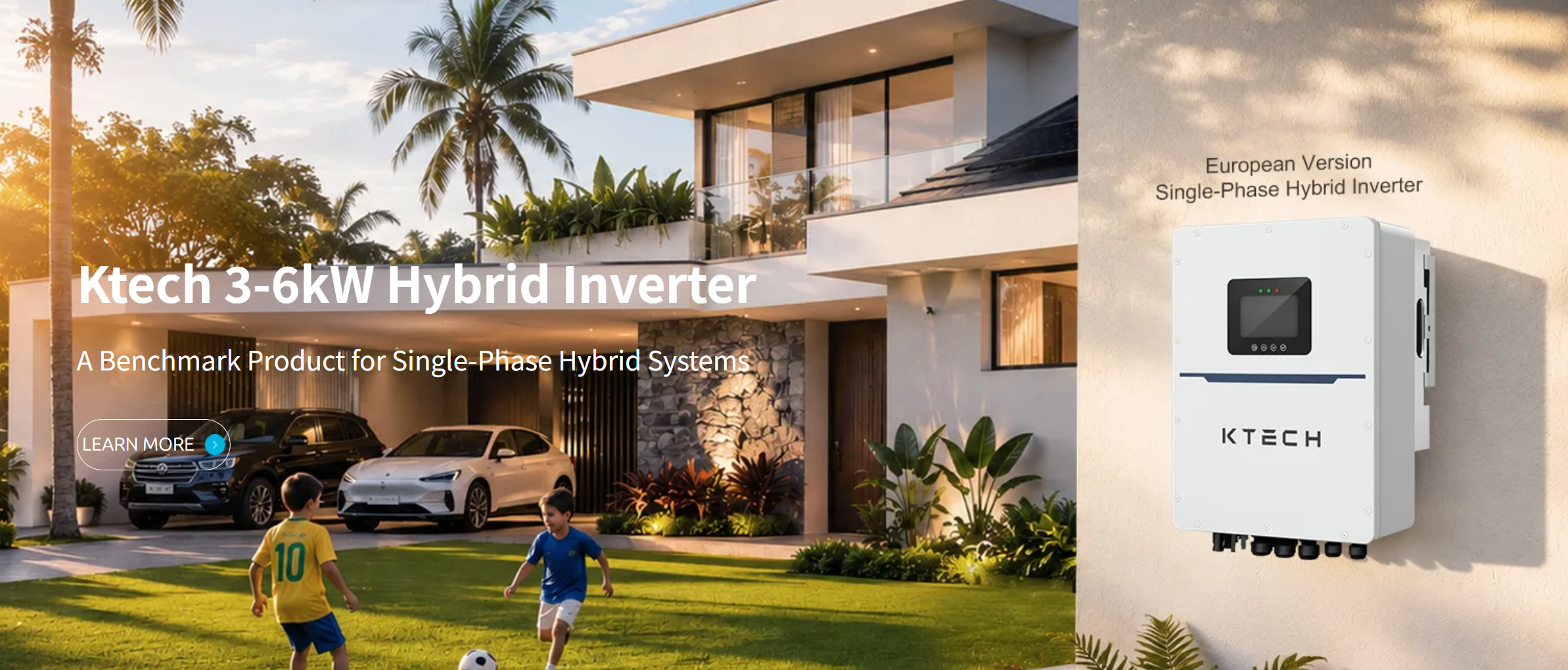
Pick the wrong inverter and the rest becomes grief. Hybrid inverters combine PV, battery, and grid interactions in one control plane; they set limits on charging rates, allow or block islanding, and determine round-trip efficiency. A compatible hybrid inverter solar system reduces BOS complexity and saves on separate power conversion stages — but it must match battery chemistry, expected export behavior, and local interconnection rules. Don’t let a low-cost inverter force you into costly workarounds later.
Common pitfalls and where teams trip up
– Undersizing protection and thermal systems: leads to early degradation.
– Ignoring real dispatch profiles: design for measured daily cycles, not optimistic models.
– Failing to plan for maintenance access and spare modules: emergency replacements cost premium labor and expedited parts.
– Treating software as an afterthought: integration bugs or missing analytics reduce revenue from demand response or time-of-use arbitrage.
– Overlooking interconnection upgrades: utilities can require transformers or switchgear changes that appear late in the schedule.
Practical alternatives and their trade-offs
– DC-coupled versus AC-coupled storage: DC-coupled systems often offer higher round-trip efficiency and simpler PV-battery sharing; AC-coupled can be more modular and easier to retrofit.
– LFP versus NMC batteries: LFP gives longer cycle life and simpler thermal needs; NMC can be lighter or denser but often requires tighter battery management.
– Centralized versus distributed inverters: central inverters save initial cost per kW but create single points of failure; distributed inverters improve redundancy at slightly higher cost.
Short checklist to keep costs honest
– Define performance objectives: daily cycles, backup duration, grid services.
– Require interoperable specs up front: firmware APIs, communications standards, and upgrade paths.
– Include lifecycle cost modeling: replacement schedules, efficiency losses over time, and maintenance labor.
– Factor region-specific soft costs: local permit fees, inspection cadence, and interconnection timelines.
– Reserve contingency for grid works: common source of scope creep.
Case snapshot — why this matters right now
Look at California: high rooftop solar penetration and frequent resilience programs mean projects often must provide both export control and islanding capability. That regulatory and market environment exposes any design weaknesses fast — and shows which cost choices create long-term value.
Conclusion — make cost decisions that hold up
Solve the problem at design, not during troubleshooting. Be explicit about life, service, and integration costs rather than chasing the lowest upfront price. When you balance hardware quality, appropriate inverter strategy, clear software contracts, and realistic financing, you get a system that performs and keeps costs predictable — and engineers and owners speak the same language. For practical projects, partners who quantify these trade-offs help preserve value, like the teams I’ve seen working closely with Ktech on real installations.