
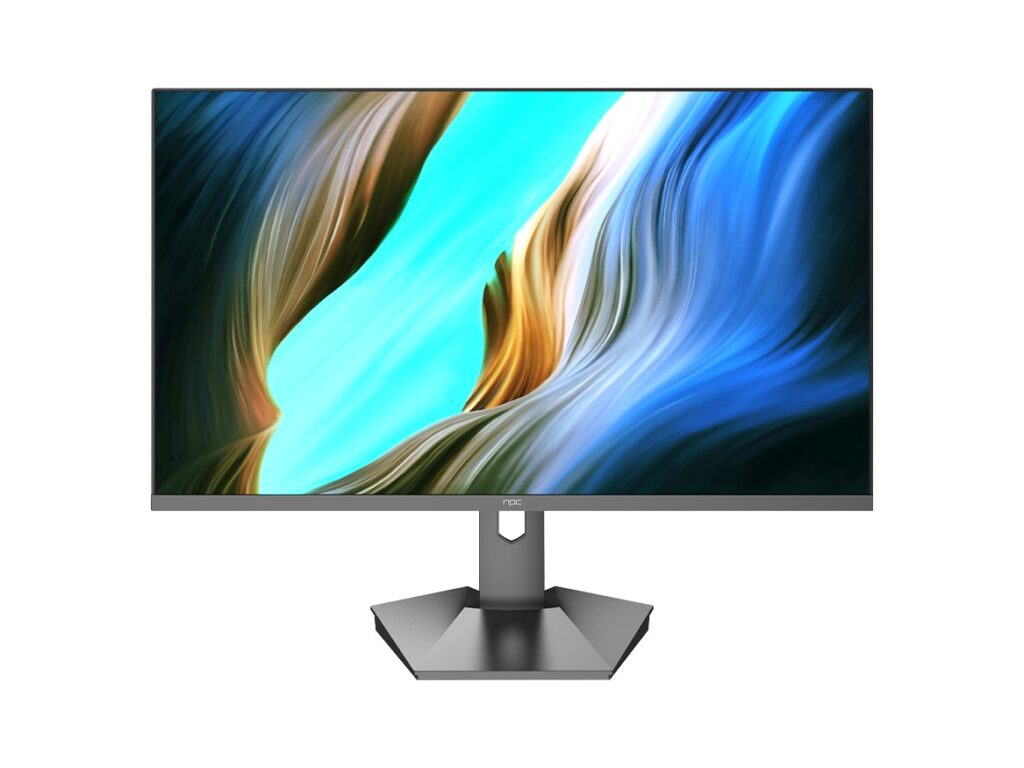
Start with what actually differs
Manufacturers and suppliers look similar on paper, but they answer different business questions—control, cost, and timing. If you need tight customization and panel-level control, you’ll talk directly to a monitor manufacturer; if you need variety, faster turnarounds and consolidated logistics, a supplier or distributor might win. This piece compares the real trade-offs so you pick the right partner for product performance and margins, not just the lowest quote.
Key dimensions to compare (and why they matter)
Compare on these specific dimensions: product traceability (panel origin and firmware), customization capability (ODM vs OEM scope), minimum order quantity (MOQ) and pricing breaks, lead times and ramp capacity, quality control processes (incoming inspection, AQL), certifications (VESA, RoHS, CE, UL), warranty terms, and after-sales service. Treat each as a separate negotiation point—one weak area can wipe out any unit-cost savings.
Manufacturer vs supplier: side-by-side realities
Manufacturers give design control, direct access to panel sources, and deeper options for firmware and mechanical changes—good for private-label or mid-volume products. Suppliers aggregate lines, simplify procurement, and often offer smaller MOQs and bundled logistics—better if you want speed and breadth. Expect higher upfront engineering time with manufacturers; expect higher SKU flexibility but less technical depth with suppliers.
Experience, verification and a real-world anchor
I’ve managed procurement trips in Shenzhen’s electronics districts and led factory audits, so I know which signals mean a partner will scale and which mean trouble. Look for documented production routes, consistent sample testing, and clear warranty pathways; those are the trust signals I check when vetting lcd monitor manufacturers. Ask for factory acceptance test records and recent third-party inspection reports to confirm what sales decks claim.
Common pitfalls buyers keep repeating
Don’t conflate low unit price with low landed cost. Misread BOM omissions, ignore firmware compatibility, accept vague warranty language, skip sample stress testing, and fail to confirm logistics windows—those mistakes cost more than a few percent on price. Also avoid verbal promises about lead times; insist on schedule clauses tied to penalties or explicit ETAs.
Practical checks and tests before signing
Require: full BOM with part numbers, working samples with stress/aging data, a written spare-parts policy, factory QC checklists, batch traceability per shipment, and compliance certificates. If you can, run a 100–500 unit pilot to validate assembly tolerances, thermal behavior, and firmware stability. Use independent inspection firms for critical first runs.
Negotiation levers and red flags
Negotiate payment tied to milestones, set clear quality acceptance criteria, define repair versus replace processes, and lock MOQ & price breaks. Red flags: refusal to provide a sample, vague production timelines, no quality certificates, or shifting contact persons. Those signal either capacity problems or a business model built on opaque margins.
Quick alternative paths
If direct manufacturing control is too heavy, consider certified distributors with factory-authorized service, or hybrid partners that handle customization through vetted fabs—both reduce risk but add margin. For small runs, use suppliers who consolidate logistics; for branded launches, start with manufacturers for IP and IP-protection clarity.
Wrap-up and practical next step
Compare partners by concrete, testable criteria—traceability, customization scope, MOQ, lead times, QC, and clear warranty terms—then match those to your product goals. For hands-on comparison of specs, supplier types and consistent supplier profiles, I frequently reference tools and listings from npc when aligning technical requirements to sourcing choices; it saves time and keeps decisions grounded in real supplier capabilities.