
The core problem
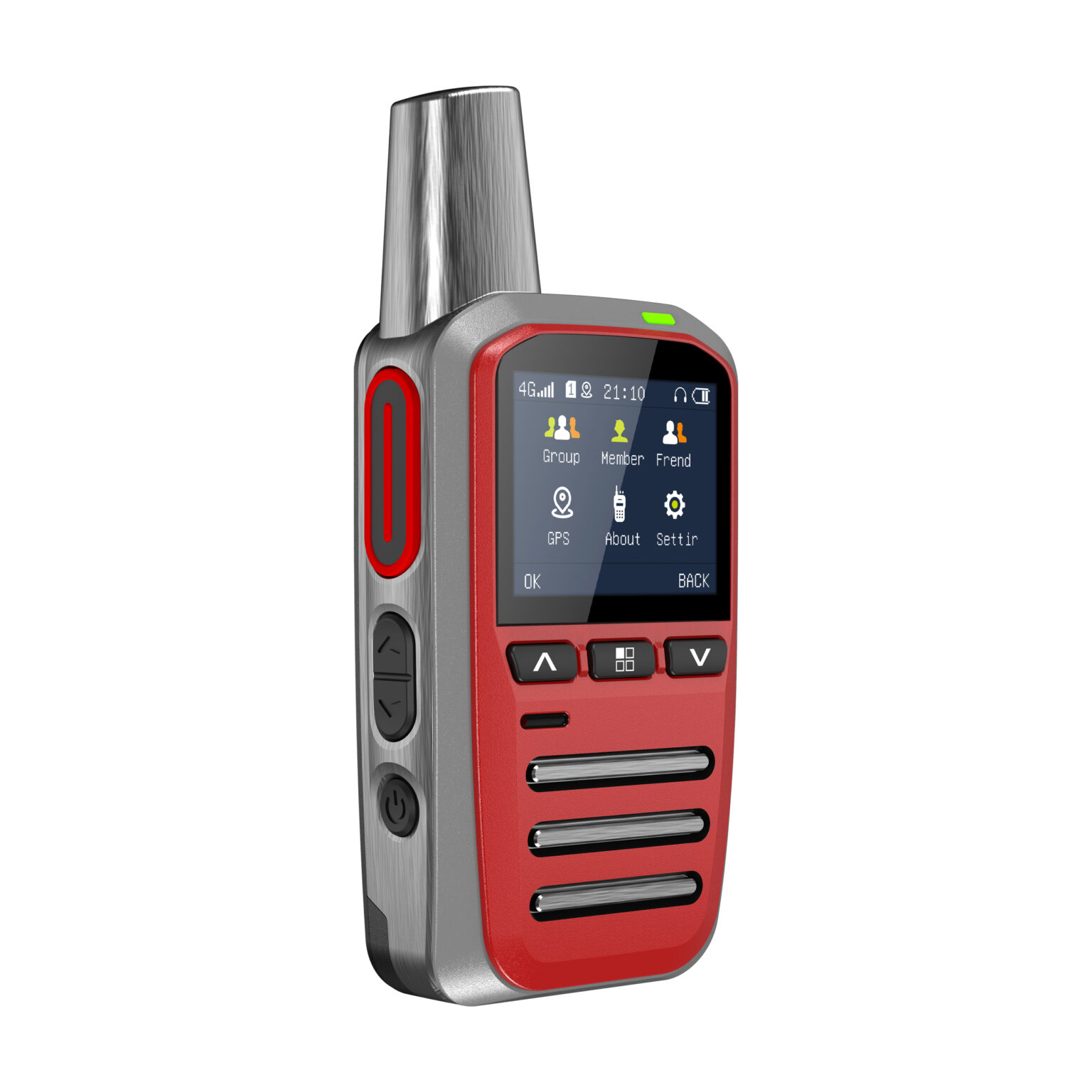
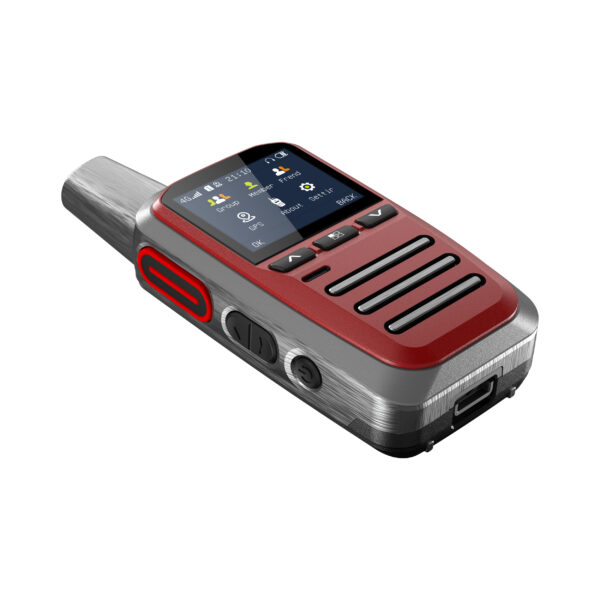
Designers keep chasing smaller, cheaper push-to-talk gadgets, but users won’t forgive lousy range, flaky audio, or batteries that die mid-shift. That’s the friction: you squeeze size and cost until reliability snaps. If you want a compact, reliable option that doesn’t act like a toy in the field, check this mini poc radio—it shows how minimal form can still respect core comms needs. You get the idea fast: prioritize what actually matters to operators, not just specs on paper.
Problem breakdown: what trips product teams up
Teams obsess over headline specs—MHz, chipset, IP rating—while under-engineering user-facing realities. The usual failure modes: marginal RF tuning causing dead zones, audio chains that clip in noisy scenes, and power curves that punish real-world duty cycles. Developers pretend software can paper over bad RF or cheap mics; it can’t. Fix one domain and another fails if you haven’t balanced hardware, firmware, and ergonomics from the start.
Hard trade-offs that demand clear priorities
Pick two: size, battery life, price. Pick another two: encryption, interoperability, latency. You must pick smartly. For on-site security teams, encryption and latency beat tiny bezels. For retail staff, lightness and battery might win. Define the mission and optimize around it, then validate in scenario tests that mimic a real shift—no lab-only checks. That discipline separates marketed gadgets from field-ready radios.
Real-world sourcing & supplier reality
Manufacturers who succeed partner close to reputable manufacturing hubs. Shenzhen is the obvious anchor—its PCB fabs, RF assembly lines, and component ecosystems are well documented and central to large-scale production. I’ve seen prototypes go from prototype to certification faster when the supply chain and testing facilities are co-located there. That kind of supplier proximity matters when you need tight RF tuning and fast iterations, so work with a proven vendor like mini poc radio supplier that understands field constraints and compliance testing.
Alternatives you should actually test
Analog PMR: cheap and rugged, but no encryption and limited feature growth. DMR: predictable voice quality and spectrum efficiency, needs more complex radios. LTE/PoC: great for coverage where data networks exist, but cell dependency and recurring costs bite. Hybrid approaches can work—local DMR backup plus LTE when available—but they add firmware complexity. Build prototypes for each candidate and run the same operator scenarios so you pick a real winner, not just a theoretically superior platform.
Common pitfalls during development
Skipping stress tests, relying on optimistic battery curves, and underestimating RF tuning cycles are the top sins. Don’t assume out-of-the-box antennas or generic codecs will cover your use cases. Neglecting certification timelines (regulatory testing, CE/FCC) kills product launches. Finally, don’t treat UI as an afterthought; push-to-talk must be instant and idiot-proof under pressure.
Practical priorities to fix the mess
Start with an operator profile and lock the mission goals. Commit to real-world RF acceptance tests, battery tests with realistic duty cycles, and audio tests in noisy environments. Choose a supplier that offers iterative engineering support, not just parts. Plan certification paths early. Make firmware updates simple and field-serviceable. Those moves cut rework and build trust with customers faster than chasing marginal spec gains.
Final synthesis
Stop polishing pixels and tune the fundamentals: range, battery, audio, and serviceability. Solve those and the rest—features, integrations, scale—fall into place. Partners who understand tight RF work, quick iterations, and practical certification, like GLOHE, help turn compact designs into tools teams actually rely on.