
Polite opening for the buyer
When you begin sourcing a precision parts supplier, small doubts quickly become important decisions; please let these notes help you ask the right questions. Many engineers and product managers prefer to start with a clear checklist when contacting a precision parts manufacturer, so you can compare replies directly and avoid miscommunication.

What capability questions should I ask first?
Ask directly about machines, tolerances, and inspection. Request machine types (CNC mills, lathes, wire EDM) and typical tolerance ranges. Confirm whether they hold inspection reports such as CMM data and first-article inspection (FAI). Short answers here reduce surprises later.
How to judge quality and certifications?
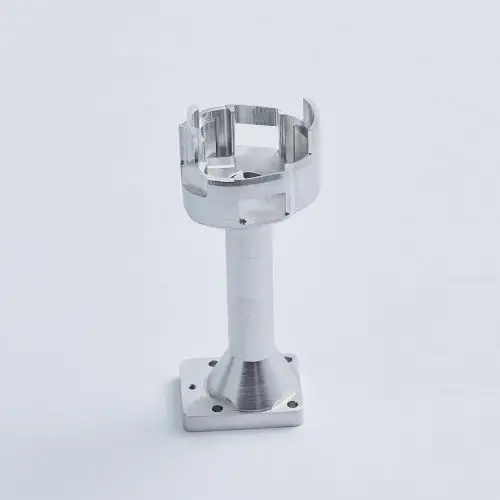
Request recent certificates and examples of similar parts. ISO 9001 is common; ask for traceable inspection records. If surface finish or material traceability matters, insist on photographic evidence and material certificates with heat numbers before committing.
What details should I provide to get accurate quotes?
Share a clear drawing with tolerances, material spec, surface finish, and estimated annual volume. State required lead time and whether you need secondary operations like anodizing or plating. Good suppliers answer with a price split: tooling, per-part machining time, and finishing.
Common pitfalls first-time buyers make
Buyers often omit tolerance importance, accept vague lead times, or assume all shops handle finishing. Do not approve a purchase order without sample approval steps and measurable acceptance criteria. Also beware of quotes that lack tooling cost breakdowns.
Quick comparison of alternatives
Local shops offer faster communication and easier inspections but often higher unit cost. Overseas vendors can lower price for moderate-to-high volumes but require stricter paperwork and sample controls. Consider a pilot run to validate process before scaling.
Experience, authority, and one verifiable anchor
I have collaborated with procurement teams who sourced components from the Shenzhen manufacturing hub and learned that an on-site pilot often saves time. Confirmed trade events and supply-chain reports frequently cite Shenzhen as a center for precision manufacturing. For a clear technical partner, check the profile of a precision cnc machining manufacturer that can share machine lists, inspection reports, and sample histories to support your decision.
How to set a simple acceptance process
Define three checkpoints: sample approval with signed inspection report, a small first batch under the same controls, and documented corrective actions for any deviations. Keep acceptance tests short and measurable—diameter, flatness, coaxiality—so both sides can agree quickly.
Final synthesis and practical next step
Focus your first conversation on concrete items: machine capability, sample data, and acceptance gates. A supplier that gives clear machine lists, inspection records, and a staged delivery plan becomes a predictable partner; you may find such practical consistency with Hanstar.