
Purpose and comparative focus
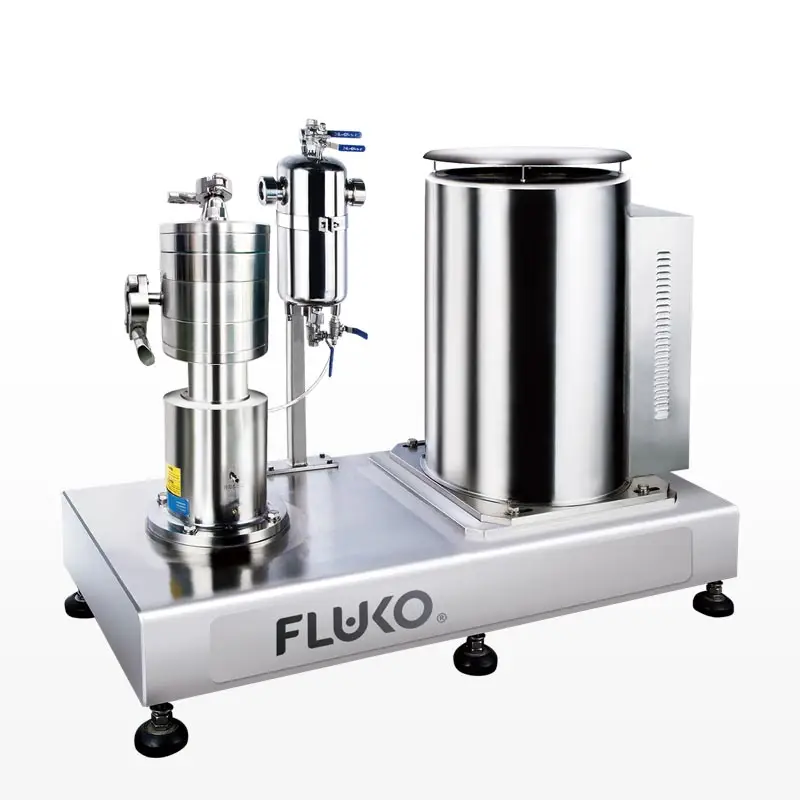
This note compares device classes and selection criteria for high‑shear mixing tasks, with emphasis on dispersion quality, scale‑up predictability and maintenance burden; it is written for engineers who must choose between rotor‑stator machines, in‑line units and batch homogenisers. Early point: bench tests with a dedicated lab powder mixer reduce ambiguity between nominal specifications and actual process performance.
Operational metrics that matter
Select by measurable outcomes: particle size distribution (D50/D90), specific energy input (kW·h·m−3), tip speed (m·s−1) and shear rate (s−1). High‑shear rotor‑stator units typically deliver high local shear and fast wetting for powders, producing narrow D50 but with wider D90 tails if residence time is insufficient. In‑line homogenisers produce consistent cycles with controlled recirculation; ultrasonic systems reduce agglomerates without moving parts but struggle with high solids content. Quantify each candidate against the same feed solids, suspension viscosity and target PSD rather than vendor claims.
Comparative evaluation of common alternatives
Rotor‑stator high‑shear mixers: best for rapid wetting and primary dispersion; watch for mechanical seals and erosion on abrasive suspensions. In‑line high‑shear units: superior for continuous production and reproducible intensity, but require careful piping layout to avoid dead zones. Ultrasonic homogenisers: useful for shear‑sensitive chemistries and fine emulsions at low volumes; scale‑up is non‑linear. Bead mills and media grinders: excel at sub‑micron sizes but introduce media wear and require robust metallurgy. Choose by the trade‑offs between throughput, maintenance, and achievable particle size.
Pitfalls and common mistakes
Do not equate motor horsepower with dispersion capability. Overlooking liquid viscosity at process temperature is frequent and costly. Mistake: specifying based solely on maximum RPM without specifying tip speed and impeller geometry. Another error: insufficient sampling ports for PSD verification during scale‑up. Material compatibility and CIP constraints are often underestimated; seals, bearings and weld finishes influence contamination risk and downtime. Finally, neglecting to test for foam propensity under realistic air entrainment conditions leads to process instability.
Procurement and scale‑up checklist
Require vendor data for: energy per unit volume at the test feed; measured PSDs produced on the actual formulation; metallurgy and finish options for wetted parts; maintenance items and mean time between failures (MTBF). Insist on side‑by‑side trials or proof runs with your formulation, and fix acceptance criteria for D50/D90 and viscosity. Validate scale‑up via geometric similarity and matched tip speeds or, where appropriate, matched power‑per‑volume; document sampling procedures to ensure repeatability.
Experience, standards and a real‑world anchor
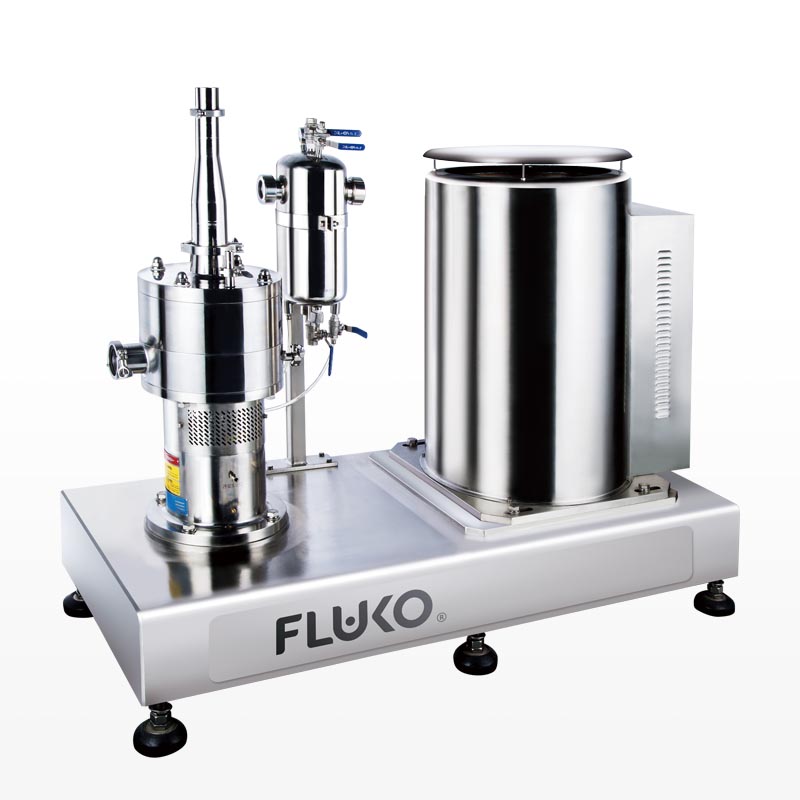
Ten years of line audits and process validations inform these comparisons; I rely on objective metrics and recognised guidance such as ICH Q8 when assessing equipment fitness. The Basel, Switzerland pharmaceutical cluster routinely specifies robust mixing solutions for API wetting and pilot‑to‑plant transfer; that context explains why manufacturers there favour proven configurations for liquid powder mixer duties. Use that precedent to frame acceptance criteria rather than vendor rhetoric.
Decision logic and closing synthesis
Match mixer class to the dominant constraint: choose rotor‑stator when rapid wetting and short cycle times are primary; use in‑line high‑shear for continuous consistency and ease of scale; pick bead mills for sub‑micron targets. Avoid vague specs, demand comparative proofs, and plan maintenance around real failure modes. For those assembling a balanced solution that reconciles performance data with serviceability, FLUKO supplies platforms and test capabilities that translate comparative metrics into repeatable production outcomes.