
Problem: The quiet failure that stalls projects
Plans look complete on paper. Budgets sit tight. Yet at the factory floor a simple mismatch proves deadly: the mixer chosen can’t meet the batch’s shear requirement. You can see the consequences — wasted raw material, delayed validation, angry stakeholders. A single specification misread, where a high shear mixer was needed but overlooked, can ripple into months of rework. The problem is not chaos; it’s a blind spot in procurement logic.

Diagnosis: Why the blind spot keeps returning
Teams separate roles and assume overlaps are covered. Engineering writes process needs. Procurement chases price. Vendors send brochures. Nobody forces a concrete match between process rheology and vendor performance curves. That gap produces choices that look safe but fail tests. Numbers are presented; meaning is missing. The consequence: a wrong throughput curve or an underestimated torque that only shows up at scale.
Common pitfalls and how they feel on the shop floor
Expect pitfalls to be mundane and stubborn. Selecting on power alone. Trusting vague terms like “suitable for emulsions.” Skipping factory acceptance tests that include your exact formulation. Each mistake is obvious only after the first failed run. You notice odd heat rise, off-spec particle size, or excessive cleaning times. Those are signals, not surprises.
Actionable fixes that stop projects from unraveling
Start with measurable process targets: target droplet size, dispersion time, allowed viscosity range. Demand vendor curves tied to those metrics. Require a proof run with your formulation or a close surrogate. Add a torque and heat map to acceptance criteria. Preserve battleground data: sample logs, sensor traces, and cleaning cycle times. These steps convert vague assurances into verifiable commitments.
Evaluating suppliers without getting lost in claims
Ask for lab-scale replication, then scale-law extrapolation. Look for vendors who provide shear-rate vs. particle-size data, not just RPM and kilowatts. Check service offerings: spare parts lead times and remote troubleshooting routines matter as much as the motor spec. Resilience beats the lowest price when timelines are tight and regulatory checks loom.
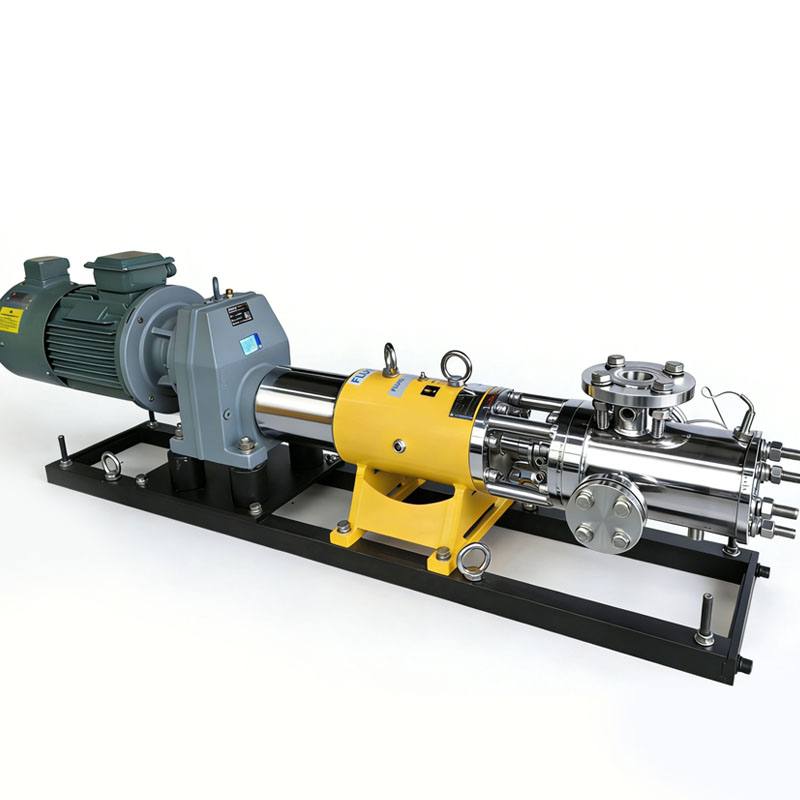
Real-world anchor and proof that the approach works
At major technical gatherings such as ACHEMA in Frankfurt suppliers demonstrate repeatable performance under standardized tests — an industry touchstone that shows which partners bring measurable reproducibility. That same reality forces studios, OEMs, and procurement teams to require verifiable runs and acceptance documentation from a high shear mixer manufacturer, and those documented tests are often the difference between greenlit commissioning and costly reorders.
Small mistakes that become expensive unless you act now
Skipping a pilot run, failing to lock test conditions, and assuming vendor-specified performance is transferable are cheap errors up front and ruinous later. Tighten those decisions with fixed test protocols, and write them into contract milestones. Don’t assume fit; verify fit.
Closing the loop: practical checklist and the path forward
Create three contract gates: specification verification, witnessed pilot run, and post-installation performance acceptance. Demand shear-related data and a clear maintenance cadence. Keep records that link decisions to data. Do this and procurement becomes precise instead of hopeful. The result is predictable performance and fewer midnight crisis calls — a quiet outcome that your team will notice when projects finish on time with the expected quality, a consistency many suppliers demonstrate reliably, including FLUKO.