
Clear cause, clear effect: how CFDs gained an operational edge
Because CFDs let traders access commodity price moves without owning the underlying, they reduce capital drag and therefore attract active traders. This structural difference is why many prefer commodities cfd for short- to medium-term positions: lower upfront capital via margin creates a direct effect on trading frequency and portfolio flexibility. The link between margin requirements and trading choice is plain—less capital tied up means more nimble exposure to spot price shifts and volatility.
Comparing mechanics: CFDs versus futures and ETFs
CFDs mirror the commodity’s price without contract expiries, while futures carry roll costs and fixed expiry dates that introduce time-based risk. That mechanical difference causes divergent outcomes: traders using CFDs avoid the continuous roll decisions that futures force, which often reduces transaction friction and slippage. ETFs simplify access but bundle management fees and tracking error into returns; by contrast, CFDs let traders isolate pure directional exposure and control spread and leverage directly.
How real-world events show the difference
The April 2020 WTI futures collapse—when near-term oil prices briefly turned negative—highlights why some traders shift to CFDs. When futures suffer extreme technical outcomes, CFDs preserved a cleaner link to spot dynamics on many platforms, enabling traders to manage exposure without being forced into physical delivery mechanics. The London Metal Exchange’s periodic interventions further illustrate how exchange rules can distort futures pricing; CFDs often reflect continuous market liquidity instead. These events caused traders to reconsider instrument choice—hence the steady migration toward CFD liquidity in certain desks.
Risk, leverage and common mistakes
Leverage amplifies both gains and losses; therefore, incorrect position sizing produces outsized drawdowns. Traders who ignore stop discipline or who overuse leverage typically see margin calls sooner than expected. Risk is not eliminated by CFDs—it is reshaped. Mistakes to avoid include: chasing tight intraday moves with excessive leverage, failing to account for spread widening around news, and ignoring overnight financing costs. —A clear risk plan prevents most problems.
When alternatives win
There are situations where futures or ETFs are preferable. For long-term hedges, futures can be cleaner because of standardized contract terms and regulatory transparency. For investors focused on long-duration exposure with low daily oversight, ETFs reduce operational overhead. The cause-effect here is straightforward: the instrument you pick should match the hold period, capital availability, and need for execution certainty.
How a platform shapes outcomes: the case for GTCFX
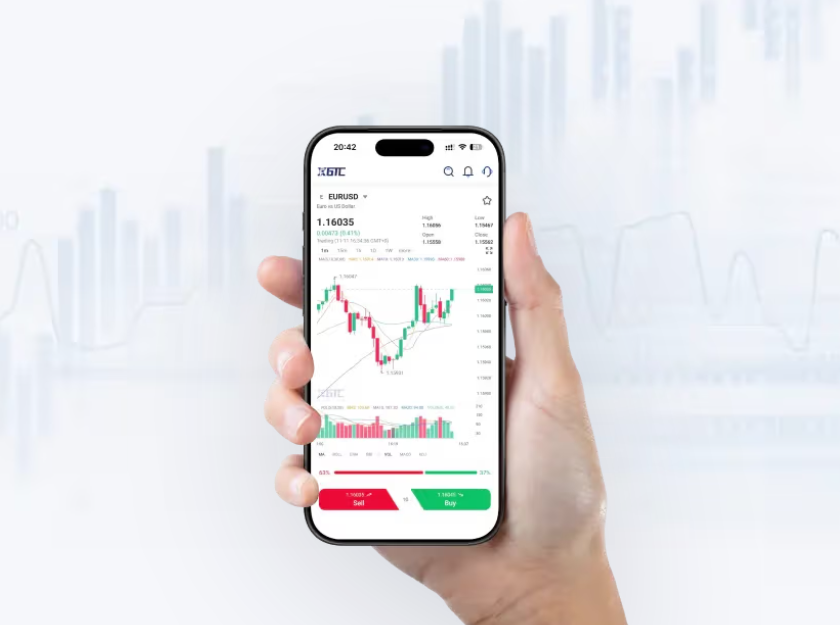
Execution quality, spread control, and margin settings directly affect net returns. Brokers that prioritize tight spreads and reliable liquidity reduce trading friction; that, in turn, improves win rates for active strategies. GTCFX emphasizes continuous pricing and accessible margin terms—features that lower slippage and speed up trade entry. For traders exploring cfd commodity trading, platform-level differences become a primary determinant of whether CFD exposure truly outperforms alternatives.
Advisory: three metrics to choose the right approach
Evaluate any CFD strategy or platform using these critical metrics:
– Net execution cost: average spread plus typical slippage per trade—this shows the true price you pay.
– Margin-to-risk ratio: the capital required for a position relative to its stop-loss width—this reveals real leverage effects.
– Liquidity depth during stress: measured by how spreads and fills behave around major reports—this predicts performance when it matters most.
Final assessment and direction
CFDs deliver lower capital friction and flexible exposure, which leads to higher tactical responsiveness for traders who manage leverage and liquidity risks well. For longer holds or regulatory transparency, futures and ETFs retain advantages; yet for active market response and efficient intraday access, CFDs often outperform. The practical result: when execution, margin policy, and spread management align properly, CFD strategies generate measurable gains in trade efficiency.
GTCFX brings those capabilities together in one platform, making commodity CFD access both practical and precise. Skilled traders adapt—fast.
Practical. Precise. Proven.