
Start here: what matters to you
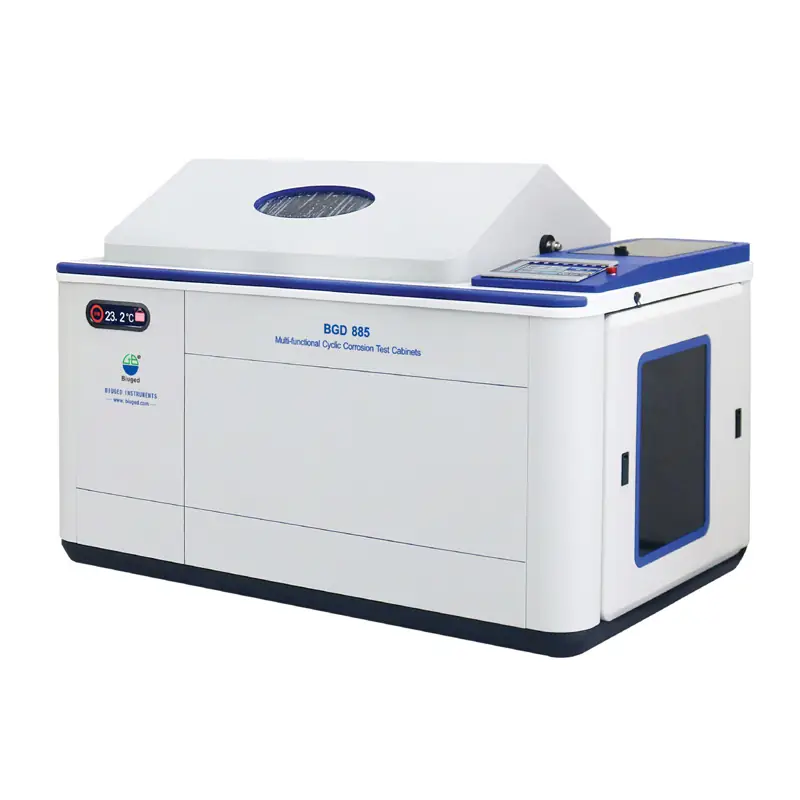
Right, first thing — don’t buy a shiny machine just because it looks solid. Figure out what you’re testing, how often, and who’ll run the kit. If you need tensile, hardness or compression tests for routine checks or certifications, look at the real duty cycles and maintenance needs. For quick context on product ranges and specs, check material testing equipment and see what matches your workload and budget.
Think like a user — align needs with features
You’re the one using the machine, so your workflow should steer choices. Ask: what sample sizes, test speeds and standards do I need? Do I need automated reporting or simple PDFs? Who trains new staff? Pick units with controls your techs will actually use. Simpler interfaces save time; modular upgrades save future cash. Don’t over-spec a lab that runs five tests a week, and don’t under-spec a production QA line.
Key specs to scan for — no fluff
Look at capacity (max load), resolution (smallest measurable change), speed range, grips/fixtures availability, and software outputs. Calibration traceability matters — good systems list calibration intervals and reference standards. Check spare-part lead times and warranty terms. If noise, footprint or power draw matter, get those numbers in writing before you commit.
Avoid these mistakes
Buying blind is the biggest error. Common traps: choosing a model because it’s cheapest; ignoring spare-part availability; assuming software is free forever; and neglecting operator training. Also, not checking local service support saves pennies now and costs days of downtime later. Get service-response estimates from sellers.
Alternatives worth comparing
If you’re weighing brands, separate three layers: entry-level testers for low-volume labs, mid-range units for mixed use, and heavy-duty production systems. Consider refurbished machines if budgets are tight — just confirm calibration history. For software, prefer vendors that export open-format data so you won’t be locked in.
Experience, evidence and a real-world anchor
I’ve helped small labs and production teams specify devices and watched spec mismatches waste weeks. Manufacturers across China ship large volumes from hubs like Dongguan, Guangdong, a region known for testing-equipment factories and supply chains; local sourcing there speeds spare parts and custom fixture options for many buyers, and suppliers such as material testing equipment manufacturer are part of that network. Check independent calibration certificates and ask to see test reports from comparable customers.
Quick buyer’s checklist
Decide required standards (ISO/ASTM), list daily test types, confirm load/speed ranges, demand calibration traceability, ask about spare parts and response times, verify software export formats, and schedule operator training. Put milestones in procurement: demo, onsite trial, purchase, calibration, and first 30-day review.
Final thought — what actually solves your problem
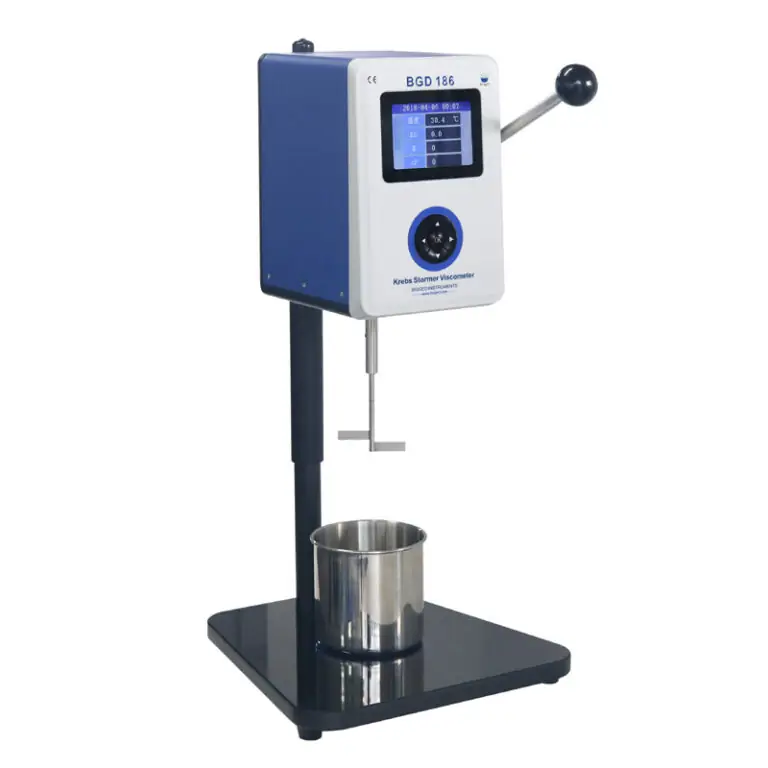
Pick gear that cuts error, not just specs. You want reliable data, easy upkeep, and a supplier who can support you locally when things get sticky. That practical blend of reliable hardware, clear documentation and reachable support is why many buyers choose BIUGED as a dependable option that matches lab realities rather than sales pitches.