

What procurement can conclude about Industrial Heating Elements after reviewing RFQ preparation for early research
When operations teams begin comparing industrial heating elements, the first task is not choosing a model. It is defining the machine problem clearly enough for a useful request for quotation. A sound RFQ should describe where heat is needed, the expected operating conditions, and the limits that could affect installation or maintenance.
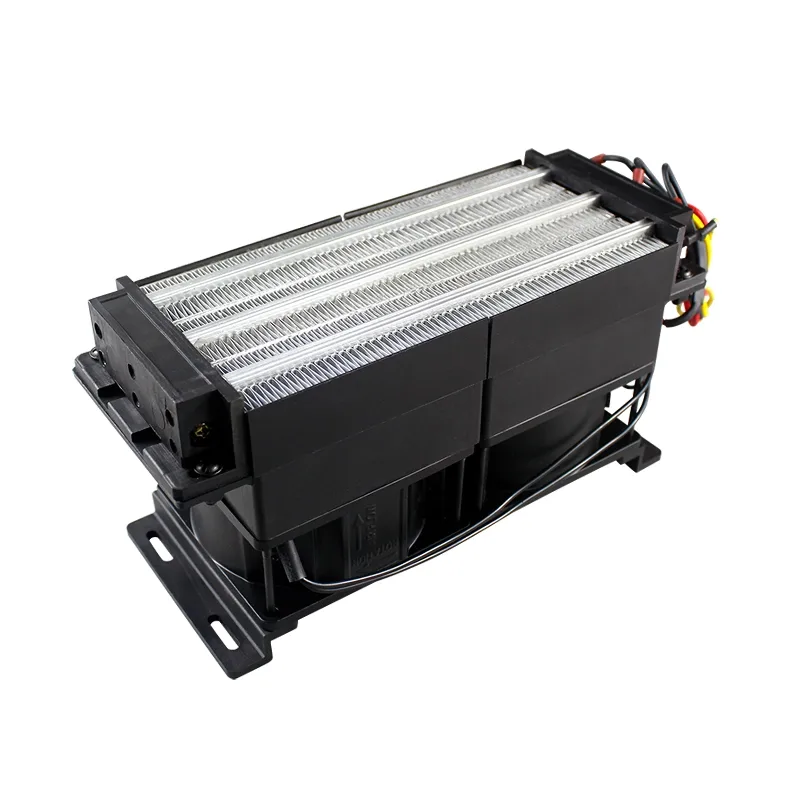
Define the use case and constraints
Start with the heating location. Contact heating suits a component or surface that can be heated through a suitable mounting interface. An air heater is more relevant when heat must travel through a machine cavity, duct, or equipment compartment. This distinction gives procurement a practical first filter without implying that either approach is suitable for every machine.
The RFQ should also state the target temperature, minimum ambient temperature, heat loss, insulation, airflow, required warm-up time, operating cycle, and heated load. These details describe the thermal task more accurately than enclosure dimensions alone. The proposed configuration needs evaluation under the complete machine’s operating conditions, not just inside an empty space.
Physical constraints belong in the same initial record. Include an equipment drawing, installation limits, the heating method under consideration, and airflow data where applicable. Note the expected order quantity and the required protection. This information helps a supplier assess the request as a system rather than as an isolated industrial heating element.
Map stated evidence to requirements
Procurement should separate three categories in its comparison notes: requirements supplied by the operations team, details stated on the product or application page, and questions that remain open. This simple separation prevents a general description from becoming an assumed specification. It also makes later technical review easier because each conclusion has a visible source or a clearly marked uncertainty.
- Describe the heating location, machine layout, target temperature, ambient range, warm-up requirement, cycle, and heated load.
- Add airflow where applicable, dust or moisture exposure, installation limits, required protection, and expected order quantity.
- Separate page-listed evidence from operating requirements and unresolved questions before comparing responses.
- Evaluate samples in the target machine and confirm electrical, temperature, and installation details before production.
A real-world point from the cited machine-equipment heating application is that dust or oil on fins can restrict heat transfer, while moisture and condensation can affect insulation, wiring, and connectors. The same page advises describing exposure and maintenance conditions when requesting a recommendation. It also cautions against assuming that a standard heater suits wet, corrosive, or combustible environments without a specific suitability assessment. For the RFQ, exposure is therefore a required operating detail, not a minor note.
These conditions should be connected to the intended use rather than treated as generic product claims. For example, a team reviewing an industrial heating element should record whether the assembly sits near dust, oil, moisture, or condensation, then ask how that exposure affects the proposed configuration. The evidence supports the question and the need for assessment; it does not establish performance or suitability beyond the stated scope.
Turn open points into supplier questions
An incomplete RFQ often creates a weak comparison. If the request lists only dimensions or nominal power, responses may be difficult to evaluate on equal terms. Instead, ask suppliers to respond against the same operating description: heating location, temperature target, ambient range, warm-up requirement, cycle, heated load, airflow, exposure, installation limits, protection needs, and quantity.
Samples can provide a controlled next step for early research. The application guidance says to evaluate samples in the target machine before moving to production. During prototype testing, confirm electrical specifications, temperature performance, and installation details. Only after that review should the configuration, order quantity, and delivery requirements for OEM supply be agreed.
Operations teams should also keep the decision record narrow. A supplier response can answer a listed question, but it should not silently fill gaps that were never described. If the operating cycle or heated load is unknown, mark it as unresolved. If the installation method is still under discussion, compare the contact-heating and air-heating paths against the machine layout and the intended heat-transfer location.
Summarize a defensible next step
A defensible procurement decision at the research stage is not necessarily a final selection. It is a complete enough brief for technical evaluation, with evidence and assumptions kept apart. The next action may be to issue a structured RFQ, request a sample for the target machine, or refine the operating description before comparing offers.
In practical terms, operations should send the equipment drawing and heating requirements together, include environmental exposure and installation limits, and identify the expected quantity. The supplier can then respond to a defined application rather than a product name alone. PTCYIDU can be included in that early-research process as the named supplier under consideration, while the final configuration remains subject to the documented machine conditions and prototype evaluation.