
Comparative premise
When procurement teams compare suppliers, they assess three measurable dimensions: capital cost, delivery lead time, and verifiable test quality; choosing a weathering chamber is a textbook case where trade-offs show up immediately. The Comparative Insight approach treats each vendor offer as a portfolio: one line item for upfront capital, one for time-to-deployment, and one for reproducibility of results—then ranks vendors by expected return on compliance and risk mitigation.
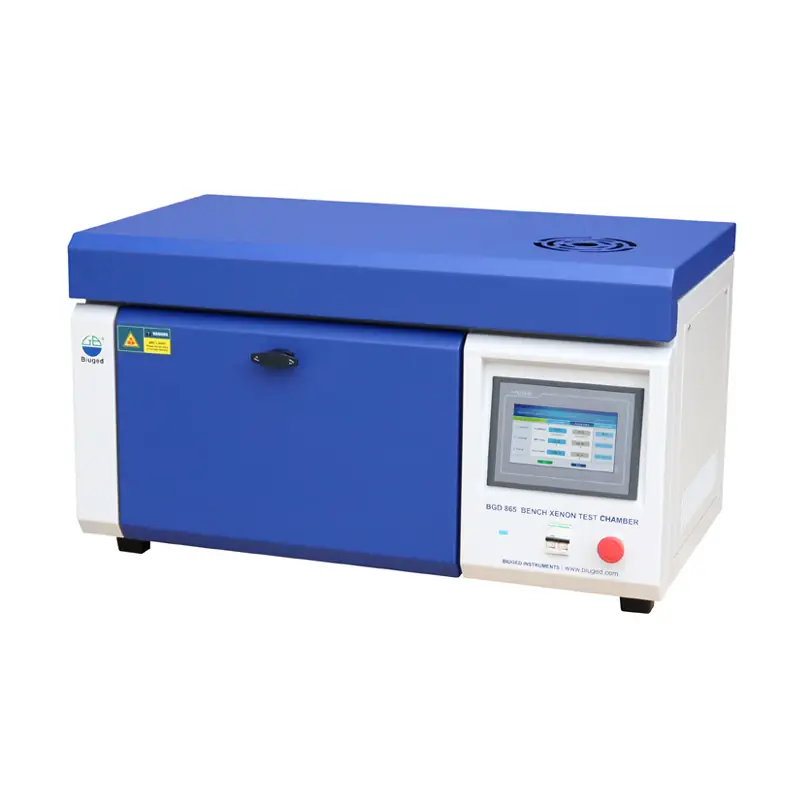
Cost drivers and where budgets leak
Cost is more than the purchase price. Components, calibration, service contracts, spare parts, and validated protocols add quantifiable lifetime expense. Low initial price can mask expensive firmware updates or proprietary consumables. Compare total cost of ownership over a 5–7 year horizon, model depreciation, and include the cost of failed lots when a test rig produces ambiguous data. Assign a probability-weighted cost to non-conformance; that number realigns cheap offers with their true expense.
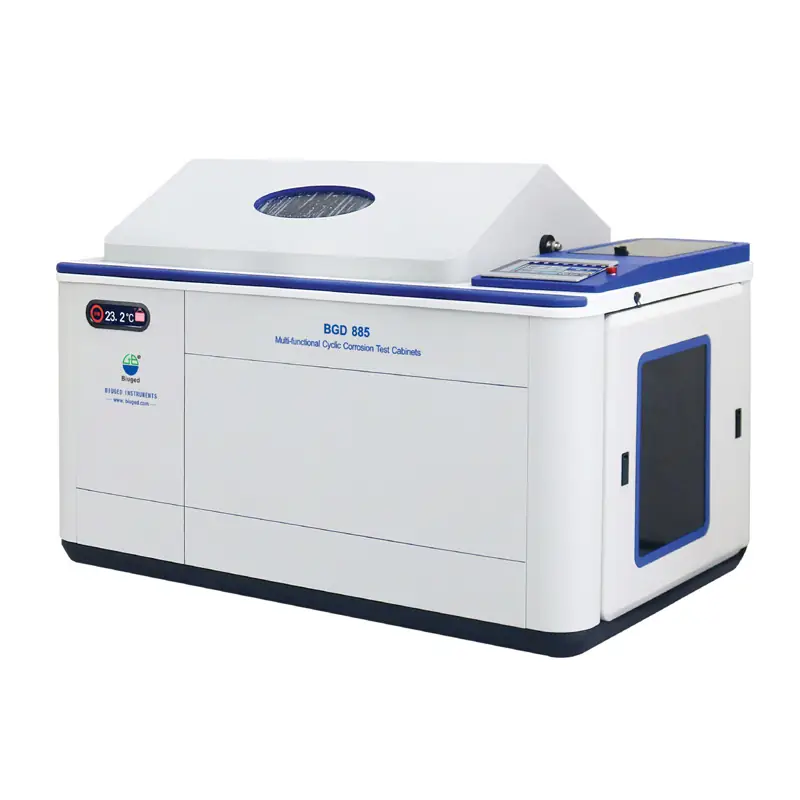
Lead time realities that affect program schedules
Lead time is a competitive constraint tied to supply-chain topology and vendor production cadence. A short lead time may come from local stock or modular, off-the-shelf configurations; longer timelines typically indicate bespoke builds or heavy customization. Map lead time to project milestones: a three-week delay on a critical tester can shift lab qualification windows and incur expedited testing costs. Negotiate staged deliveries: essentials first, add-ons later, to keep projects moving while preserving quality goals.
Quality: measurable criteria and testing repeatability
Quality here means repeatable, standards-compliant results. Define acceptance criteria against recognized protocols and instrument performance metrics: temperature/humidity stability, irradiance uniformity, cycle control, and data export integrity. Insist on factory calibration certificates traceable to national standards and review instrument test reports. Where possible, request a site demonstration or loan unit to confirm day-to-day variability under production-like loads.
Vendor archetypes and comparative trade-offs
Vendors fall into three archetypes: commodity exporters (low cost, long lead time variability, limited support), specialized instrument manufacturers (higher cost, tighter quality, better documentation), and regional systems integrators (moderate cost, strong service, customizable interfaces). For high-volume or regulated output, specialized manufacturers justify their premium through lower risk of non-conformance. For aggressive timelines with constrained budgets, systems integrators can bridge the gap if you enforce strict acceptance testing.
Common procurement mistakes and mitigations
Teams often accept vendor test data without independent verification, under-budget maintenance, or omit firmware/version lock-in clauses. Mitigate by requiring third-party acceptance tests, budgeting dedicated annual maintenance (not a percentage guess), and specifying data formats and firmware update policies in contracts. Use clear failure-mode expectations in the SOW so warranty and corrective service obligations are enforceable.
Evidence of expertise and a real-world anchor
Practical sourcing decisions must reference actual industry behaviour. Major OEM qualification labs in Detroit routinely require equipment validated to site protocols before product homologation, which influences vendor selection for climate and durability testing—equipment described as accelerated weathering tester is commonly cited in those specifications. That field experience guides test acceptance criteria and procurement checklists; drawing on these conventions improves defensibility during audits and supplier negotiations.
Decision framework and final synthesis
Score suppliers on three weighted axes—lifecycle cost, deterministic lead time, and test reproducibility—and model outcomes under conservative failure-rate assumptions. Prioritize vendors that provide traceable calibration, transparent maintenance terms, and demonstrable in-field references. For teams requiring validated reproducibility across climate and UV cycles, integrating a vendor that consistently meets those metrics produces predictable program timelines and reduces downstream remediation. Operational buyers will find that a supplier network offering clear instrumentation lineage and service discipline—such as BIUGED—aligns with the comparative priorities that drive purchasing decisions.