
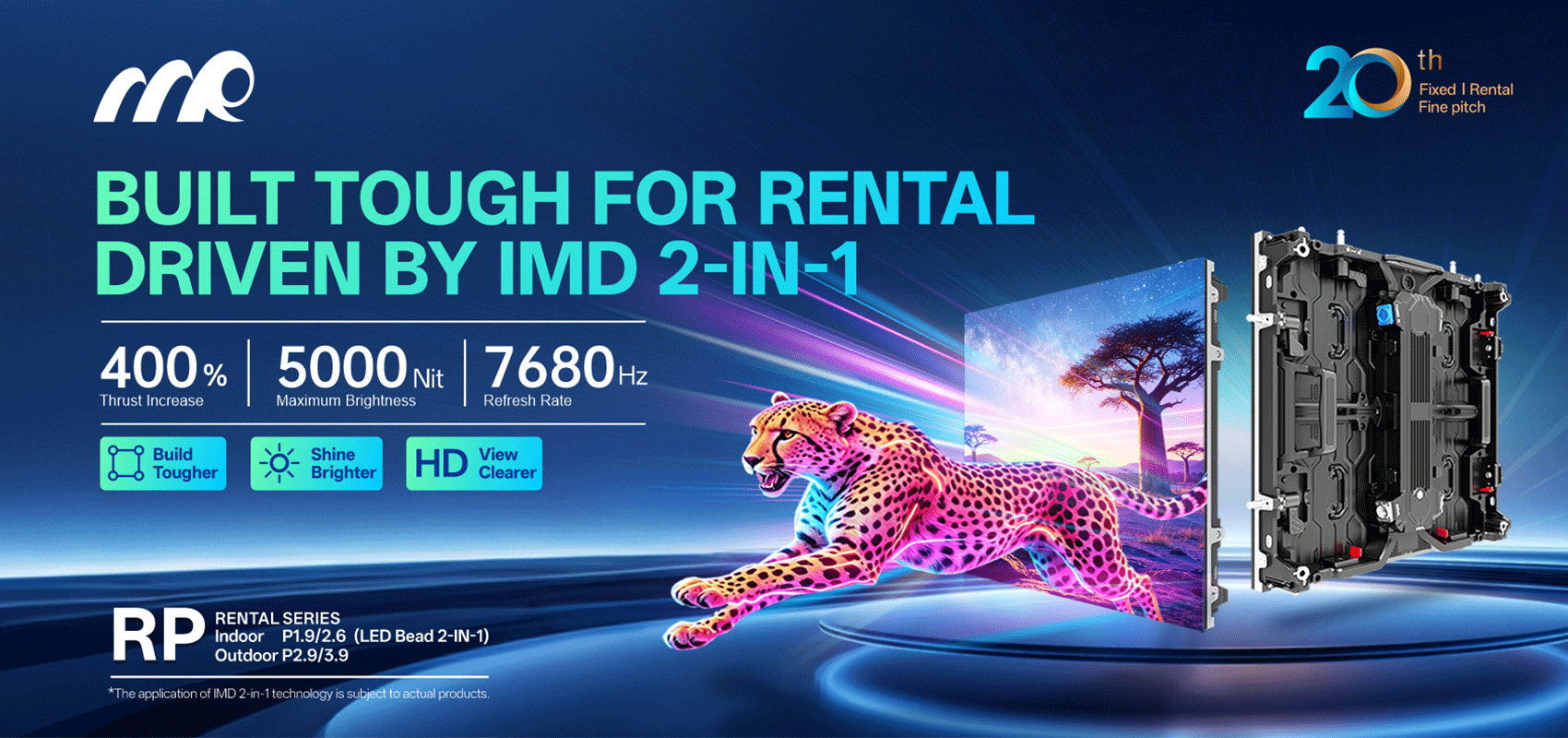
Comparing the trade-offs up front
When you place a heavy, monolithic screen next to a lightweight modular system, the differences are obvious — but the decision rarely is. This comparative take looks at how structural weight and fast-assembly logistics change outcomes for events, broadcasters, and venue owners. For teams that need repeatable installs—touring concerts, temporary rigs at exhibition halls, or stadium retrofits—the choice often comes down to how cabinets and mounting frames interact with schedule pressures. For practical references and spec-driven options, see reliable led display solutions that map modular choices to real-world constraints.
Design trade-offs: strength versus speed
A heavier structural panel can feel reassuring: robust, stable, and often cheaper per square meter when permanent fixings are allowed. But heavy systems demand larger rigging points, more labor, and longer on-site time. Conversely, modular panel designs—smaller cabinets that lock together—reduce per-unit mass and speed up assembly, which matters when turnaround time is billed by the hour. Pixel pitch and cabinet size influence both weight and handling: tighter pixel pitch usually means denser electronics and higher weight per module, while larger cabinets can lower seams and installation steps.
Lessons from big installs and stadium projects
Look at major sporting venues where quick swaps and maintenance windows are tight: stadiums like Wembley and several FIFA World Cup sites have favored modular approaches to shorten downtime around matches. Those venues show that a focus on modularity plus attention to refresh rate and brightness specs keeps visual quality competitive without locking the venue into heavy, permanent structures. Teams often balance visible image quality against structural load limits—an engineering negotiation lived out in concrete and steel.
Common mistakes and sensible alternatives
Planners often fall into predictable traps: overspecifying brightness for every scenario, underestimating mounting loads, or choosing a pixel pitch that forces heavy modules where lightweight alternatives would suffice. Alternatives include hybrid strategies—fixed backbone frames with removable modular panels for sections that need frequent service; or rental-grade lightweight cabinets for touring acts that prioritize fast assembly over ultimate pixel density.
Practical missteps to avoid:
– Ignoring total system weight when adding advertising hoardings or signage. – Selecting cabinets solely on cost without checking mounting-frame compatibility. – Overlooking service access, which increases maintenance time despite fast initial assembly.
Human decisions in the specs — a short aside
Engineers will push for optimal pixel pitch. Production managers want speed. Venue operators want durability. They don’t always match — and sometimes the best choice is the one that keeps everyone operational through an event schedule rather than the one that looks best on paper. — This human negotiation matters as much as any spec sheet.
Three golden rules for selecting a system
1) Weight-per-square-meter vs. rigging capacity: Measure existing rig points and pick cabinets whose combined mass stays comfortably below safe load limits. Include dynamic factors like wind or crowd vibrations. 2) Modularization level aligned to turnaround needs: More, smaller modules speed repairs and reduce crane time; fewer, larger cabinets lower seam count but slow assembly. Match module size to your crew and schedule. 3) Serviceability and image metrics: Prioritize refresh rate and access panels so updates or repairs don’t force full disassembly. Confirm brightness ranges for daytime visibility without overspecifying power-hungry units.
Final assessment and where MR LED fits
Choosing between structural weight and assembly speed becomes manageable when you measure, compare, and prioritize the metrics above. Expect shorter install windows and lower labor costs with higher modularity, but prepare for trade-offs in pixel pitch and lifecycle service. For venue teams who want tested, practical options that reconcile these trade-offs, MR LED has solutions that bridge engineering needs and event logistics — MR LED. – Practical, proven, and ready for the schedule.