
Straight-talk opening
Folks, pickin’ between full battery production automation and stand-alone automated battery equipment ain’t just a lab coat decision — it’s a plant-floor one. I’ll lay this out like a mechanic sizing a wrench: both solve problems, but they solve different ones. If you’re thinking about integrating robotics, conveyor orchestration and real-time process control, you’re stepping into the realm where automotive automation techniques and expectations start to matter alongside cell chemistry and thermal management.

Comparative view: what each option actually buys you
Startin’ with plain talk, here’s how the two differ in practice:
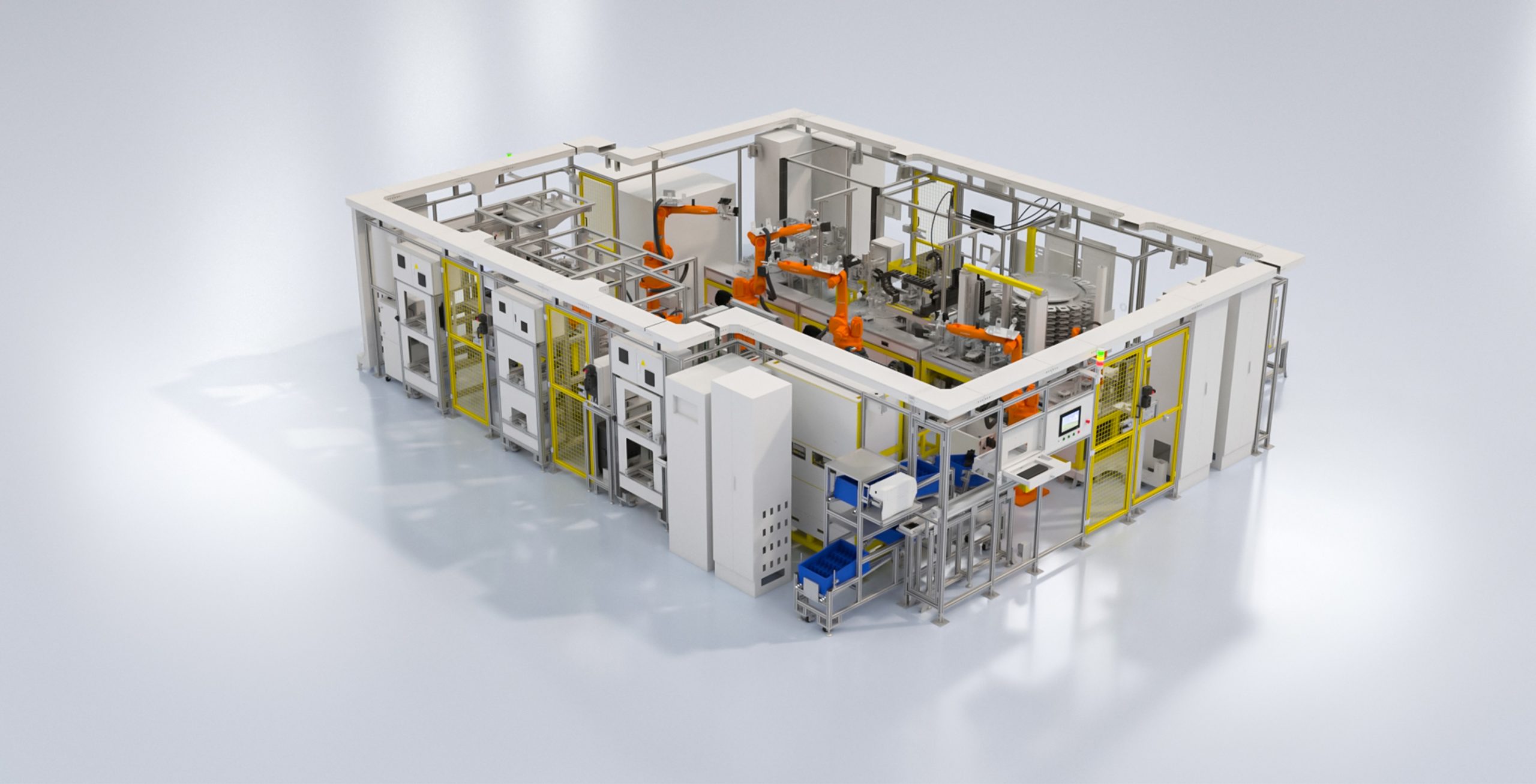
– Scope: Production automation covers systems, controls, data flows and human interfaces across the whole line. Automated equipment is a specific machine or cell that performs a single task. – Integration: Production automation requires orchestrating PLCs, MES inputs and safety interlocks; automated equipment often sits on a floor with local I/O and a teach pendant. – Payback profile: Automated equipment usually has shorter payback for single-step gains; full production automation saves more over time but needs bigger up-front coordination. – Maintenance model: With line-level automation you standardize diagnostics and spares; with isolated equipment, you keep vendors on call for particular modules. – Change resistance: Line automation demands cross-team buy-in and trained operators; equipment swaps are easier for incremental upgrades.
When each choice solves the right problem
Pick automated equipment when you need to fix a choke-point fast — welding, tabbing, or electrolyte filling that’s laggin’ behind the rest of the line. It’s pragmatic and gets material moving again. Choose production automation when you want predictable throughput across shifts, traceability that survives audits, and the ability to tune multiple steps together to hit a target yield.
Tech practicalities and test-of-time mistakes to avoid
From hands-on work integrating control panels and human-machine interfaces, I’ve seen the same missteps repeat. Avoid these:
– Buying shiny equipment without mapping how it talks to other machines. – Ignoring operator ergonomics until after integration; retraining costs more than you think. – Assuming a vendor’s PLC will match your MES without a handshake on data schemas. – Underinvesting in safety interlocks and motion validation — that costs production downtime and trust.
What automotive plants teach battery makers
Lessons from Detroit’s assembly plants stick with manufacturers for a reason: they show how modest standardization reduces chaos. Car lines taught us to standardize connectors, fault codes and shift handoffs. If you want to borrow from that playbook, look at how car manufacturing automation teams structure diagnostics and operator screens — simple, consistent displays cut mean time to repair by a lot.
Quick decision checklist for manufacturers
Run through these points and you’ll know where to invest:
– Do you need immediate improvement at one step or consistent gains across the whole line? – Are your operators ready to adopt new workflows, or will they need gradual changes? – Can your IT and OT teams align on data and safety standards? – Do you have space, utilities and spare parts strategy for additional equipment?
Wrap-up that settles the matter
Here’s the plain truth: automated battery equipment patches and improves individual bottlenecks fast; production automation changes how the whole plant behaves. Make the choice that matches the problem you can describe clearly, the team you can train reliably, and the timeline you can fund. For plants lookin’ to stitch solutions together and standardize diagnostics without guesswork, a partner that understands both machine-level detail and line-level orchestration adds practical value — that’s the kind of support you’ll find at FHS.